
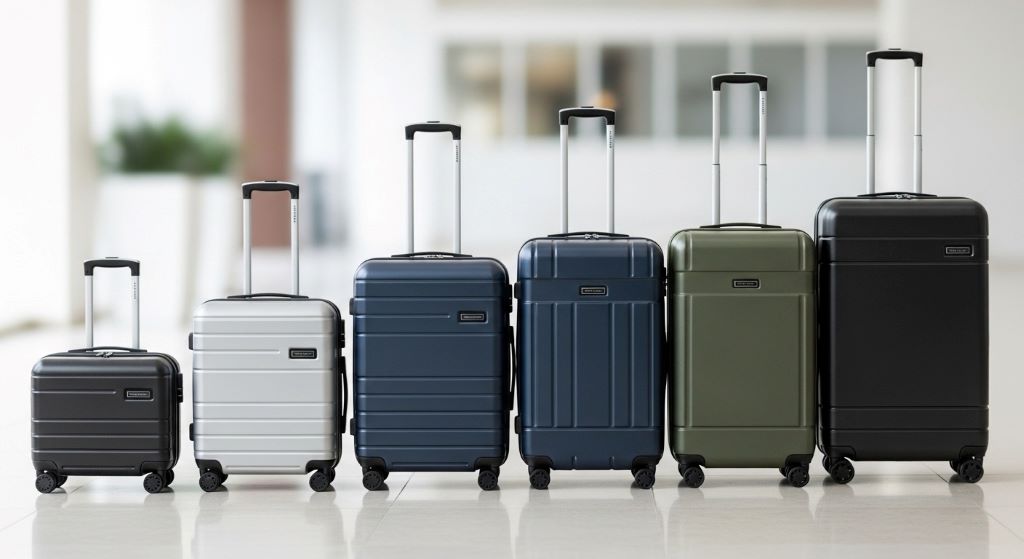
Selecting the right luggage can make or break your travel experience. Whether you’re planning a quick weekend getaway or an extended international adventure, having the appropriate bags for your journey ensures smooth travels and peace of mind. The luggage market has evolved significantly, offering travelers more options than ever before.
Modern travelers face unique challenges that previous generations didn’t encounter. Airlines constantly adjust their baggage policies, travel styles have diversified, and sustainability concerns influence purchasing decisions. Therefore, understanding what to look for when buying luggage has become more complex yet more important.
This comprehensive travel luggage buying guide 2026 will walk you through everything you need to know about selecting the perfect luggage for your needs. You’ll learn about different bag types, materials, sizes, and features that matter most. By the end, you’ll have the knowledge to make an informed decision that serves you well for years to come.
Understanding Your Travel Style and Needs
Before diving into specific luggage options, take time to consider how you actually travel. Your personal travel habits should drive your luggage choices more than any other factor. Someone who takes monthly business trips has very different needs compared to a family that vacations twice yearly.
Frequent travelers need durable, lightweight luggage that withstands constant use. Business travelers often prioritize organization features and professional appearance. Adventure travelers require rugged construction that handles rough conditions. Leisure travelers might value style and expandability over extreme durability.
Additionally, consider how you typically pack. Some people prefer to bring numerous outfit options and accessories. Others embrace minimalist packing with versatile pieces. Your packing style directly influences the size and type of luggage you should purchase.
Think about your destination preferences as well. Urban travelers navigating cobblestone streets need different features than those mainly traveling between airports and hotels. Climate considerations also matter, as certain materials perform better in wet or humid conditions.
Different Types of Luggage Explained
The luggage market offers several distinct categories, each designed for specific travel scenarios. Understanding these categories helps you identify which type best suits your needs.
Carry-on luggage represents the most versatile option for many travelers. These bags meet airline size restrictions for overhead compartments, eliminating checked baggage fees and wait times. Modern carry-ons pack surprisingly large amounts of clothing and gear thanks to clever design and compression features.
Checked luggage provides maximum capacity for longer trips or when you need to bring more items. These larger bags come in various sizes, typically categorized as medium or large. They allow you to pack bulkier items, extra shoes, and souvenirs without worrying about weight restrictions as much.
Duffel bags offer flexibility and easy packing for casual trips. They compress when partially full and expand to accommodate more items. However, they typically lack the organization features found in structured suitcases and can be awkward to carry when heavy.
Backpack-style luggage appeals to adventure travelers and those who prefer hands-free carrying. These bags work well for hiking trips, hostel stays, and situations where wheeled luggage proves impractical. They distribute weight across your shoulders and back rather than requiring you to pull or carry the bag.
Garment bags serve business travelers and formal event attendees who need to transport suits, dresses, or other clothing that wrinkles easily. They keep formal wear wrinkle-free during transit but aren’t suitable as your only luggage for trips requiring multiple outfits.
Comparing Hard-Shell Versus Soft-Sided Luggage
One of the most fundamental decisions you’ll make involves choosing between hard-shell and soft-sided construction. Each type offers distinct advantages and disadvantages worth considering carefully.
Hard-shell suitcases protect your belongings from impacts, crushing, and weather. They’re made from materials like polycarbonate, ABS plastic, or aluminum. These cases maintain their shape even when stacked under other bags in cargo holds. They also clean easily and resist stains better than fabric options.
However, hard-shell luggage typically weighs more than soft-sided alternatives. They can’t expand to accommodate extra items, and exterior pockets are rare or nonexistent. When overpacked, hard cases can crack or split along the seams, requiring complete replacement rather than simple repairs.
Soft-sided luggage uses materials like ballistic nylon, polyester, or canvas. These bags weigh less than comparable hard-shell options, making them ideal for travelers concerned about weight restrictions. They often feature exterior pockets for easy access to frequently needed items like documents or snacks.
The flexibility of soft-sided luggage allows you to squeeze them into tight overhead compartments or car trunks. Many models include expansion zippers that increase capacity by several inches when needed. Additionally, minor damage like tears or broken zippers can often be repaired rather than requiring bag replacement.
Nevertheless, soft-sided luggage provides less protection for fragile items. The fabric can stain or develop odors over time. Water resistance varies significantly between models, with cheaper options offering minimal protection against moisture.
Making Sense of Suitcase Size Comparison
Understanding luggage dimensions helps you choose appropriate sizes for different trip lengths and airline requirements. Size matters significantly when it comes to luggage, affecting everything from airline fees to how much you can pack.
Carry-on sizes typically measure around 22 x 14 x 9 inches, though exact dimensions vary by airline. These bags usually hold enough clothing for three to five days, depending on how efficiently you pack. Always check your specific airline’s requirements before purchasing, as some budget carriers enforce stricter limitations.
Medium checked bags generally measure 24 to 26 inches in height. These suitcases work well for trips lasting one to two weeks. They provide substantially more space than carry-ons while remaining manageable to lift and maneuver. Most travelers find medium bags versatile enough for various trip types.
Large checked luggage measures 28 to 32 inches tall. These bags accommodate extended trips, winter clothing, or situations where you’re packing for multiple people. However, they become heavy when fully packed and may incur oversized baggage fees on some airlines.
Extra-large options exceeding 32 inches exist but rarely make sense for most travelers. They’re difficult to handle, almost always incur additional fees, and often exceed airline weight limits even when not completely full. Consider using two medium bags instead of one extra-large option.
When doing your own suitcase size comparison, remember that capacity matters more than external dimensions. Internal organization, packing cubes, and compression features dramatically affect how much you can actually fit inside a bag of any given size.
Essential Features to Look For
Beyond size and construction type, specific features significantly impact luggage functionality and user experience. Prioritizing the right features for your travel style ensures you get maximum value from your investment.
Wheels represent one of the most critical components. Four-wheel spinner luggage moves effortlessly in any direction and stands upright without support. Two-wheel rollers offer more stability on uneven surfaces and often weigh less. Consider where you’ll typically use your luggage when choosing between these options.
Handle systems deserve close attention. Telescoping handles should extend and retract smoothly with multiple height settings to accommodate different users. Top and side handles allow you to lift the bag in various situations. Ergonomic grips reduce hand fatigue during extended travel.
Compartment organization helps you stay sorted during trips. Look for bags with distinct sections for shoes, dirty laundry, or toiletries. Internal compression straps keep contents secure during transit. Exterior pockets provide quick access to items you need frequently without opening the main compartment.
Security features protect your belongings from theft and tampering. TSA-approved locks allow security personnel to inspect your bag without breaking the lock. Some premium bags include built-in combination locks or RFID-blocking pockets for documents and credit cards.
Expandability gives you flexibility when you need extra space. Expansion zippers typically add two to three inches of depth, increasing capacity by 15 to 25 percent. This feature proves invaluable when returning home with souvenirs or when you miscalculate packing needs.

Material Quality and Durability Considerations
The materials used in luggage construction directly impact longevity, weight, and performance. Understanding material differences helps you evaluate quality and make informed comparisons between options.
Polycarbonate represents the premium option for hard-shell luggage. This material offers excellent impact resistance while remaining relatively lightweight. It flexes under pressure rather than cracking, making it ideal for checked luggage that experiences rough handling. However, it costs more than alternatives.
ABS plastic provides decent durability at a lower price point. It’s heavier than polycarbonate and more prone to cracking under extreme stress. For travelers on a budget who still want hard-shell protection, ABS offers reasonable value. It works better for carry-ons than checked bags due to its lower impact resistance.
Ballistic nylon represents the gold standard for soft-sided luggage. Originally developed for military applications, this material resists abrasion, tears, and water. It weighs less than most hard-shell materials while providing excellent durability. Quality ballistic nylon luggage can last decades with proper care.
Polyester offers an economical alternative for soft-sided bags. Denier rating indicates thickness and durability, with higher numbers meaning stronger fabric. Look for at least 600-denier polyester for adequate durability. Lower-quality polyester may wear through at stress points within a few trips.
Zippers often fail before other luggage components. YKK zippers from Japan represent the industry standard for reliability. Self-repairing coil zippers continue functioning even if a tooth breaks. Avoid luggage with thin, lightweight zippers regardless of how good the rest of the bag appears.
Wheels take tremendous abuse during travel. In-line skate wheels made from polyurethane offer the best combination of smooth rolling and durability. Cheaper plastic wheels wear quickly and don’t roll as smoothly. Check reviews specifically mentioning wheel performance before purchasing.
Weight Considerations and Airline Policies
Luggage weight significantly impacts your travel experience, especially given modern airline weight restrictions. An empty bag that weighs too much limits what you can actually pack inside it.
Carry-on weight limits vary by airline and route. Some carriers strictly enforce 15 to 20 pound limits for overhead bags. Others don’t weigh carry-ons at all, focusing only on size restrictions. Research your typical airlines and routes to understand what matters most for your travels.
Checked baggage typically allows 50 pounds in economy class, though international flights sometimes permit more. Premium cabins often include higher weight allowances or additional free bags. Exceeding weight limits results in fees ranging from 50 to 200 dollars per bag.
Your empty luggage should weigh as little as possible while still providing necessary features and durability. Carry-on bags ideally weigh six to eight pounds empty. Medium checked bags should stay under 10 pounds, while large checked luggage rarely needs to exceed 12 to 14 pounds empty.
However, don’t sacrifice essential durability for marginal weight savings. An ultra-lightweight bag that breaks after a few trips costs more in the long run than a slightly heavier option that lasts years. Balance weight concerns with build quality and your specific needs.
Consider using a luggage scale to weigh your packed bags before heading to the airport. These inexpensive devices prevent surprises at check-in and allow you to redistribute weight between bags if needed. Digital scales provide the most accurate readings.
Budget Considerations and Value Assessment
Luggage prices range from under 50 dollars to over 1,000 dollars per piece. Understanding what drives these price differences helps you determine appropriate budget levels for your needs.
Entry-level luggage typically costs 50 to 150 dollars per bag. These options provide basic functionality with limited durability. They work adequately for occasional travelers who take one or two trips annually. However, frequent travelers will likely need to replace budget luggage within a few years.
Mid-range options between 150 and 400 dollars offer significantly better quality. These bags feature superior materials, better warranties, and improved features. They represent the sweet spot for most travelers, providing excellent value without unnecessary premium pricing. Expect five to ten years of use with reasonable care.
Premium luggage costing 400 to 800 dollars delivers top-tier materials, extensive features, and comprehensive warranties. Brands at this level often provide lifetime guarantees or extensive repair services. These bags make sense for frequent travelers who demand the best and travel often enough to justify the investment.
Luxury options exceeding 800 dollars focus on prestige and aesthetics as much as functionality. While certainly well-made, the price premium often reflects brand cachet rather than proportionally better performance. Unless you specifically value luxury branding, mid-range to premium options typically offer better value.
Calculate cost per trip to evaluate true value. A 300 dollar bag used for 30 trips costs 10 dollars per trip. A 100 dollar bag requiring replacement after 10 trips also costs 10 dollars per trip but with the hassle of shopping again. Quality luggage often proves more economical long-term despite higher upfront costs.
Sustainable and Eco-Friendly Options
Environmental consciousness increasingly influences consumer choices, and luggage manufacturers have responded with more sustainable options. If environmental impact matters to you, several factors deserve consideration.
Recycled materials feature prominently in eco-friendly luggage. Some manufacturers use recycled plastic bottles to create luggage fabric. Others incorporate recycled aluminum or reclaimed materials in frames and components. These bags perform comparably to traditional options while reducing environmental impact.
Durability represents the most important sustainability factor. Long-lasting luggage reduces waste regardless of its materials. A conventional bag used for 15 years has far less environmental impact than multiple eco-friendly bags replaced every few years. Prioritize quality construction over marketing claims about sustainability.
Repair programs offered by some manufacturers extend product life significantly. Companies that repair damaged luggage free or inexpensively help you keep bags out of landfills. Check whether potential purchases include repair services or easy-to-replace components like wheels and handles.
Avoid bags with excessive packaging or unnecessary components. Some manufacturers use minimal packaging from recycled materials. Others include reusable storage bags rather than disposable plastic. These details indicate a company’s genuine commitment to sustainability versus greenwashing.
Consider secondhand options for substantial savings and environmental benefits. Quality luggage often outlives its original owner’s needs. Gently used premium bags from consignment shops or online marketplaces offer excellent value while preventing waste.
Testing and Trying Before You Buy
Whenever possible, physically examining luggage before purchasing reveals important details that online descriptions miss. Several aspects become apparent only through hands-on evaluation.
Test wheel operation on various surfaces. Roll the bag on carpet, tile, and outdoors if possible. Wheels should spin smoothly without wobbling or catching. Listen for excessive noise, which indicates poor wheel quality or inadequate bearings.
Extend and retract the telescoping handle multiple times. It should lock firmly at each height setting without wobbling or requiring excessive force. Handles that feel loose or stick during extension often worsen quickly with use.
Open and close all zippers completely. They should glide smoothly without catching or requiring excessive pressure. Pull on zippers to test durability. Weak zippers that spread apart under tension will fail prematurely.
Lift the empty bag to gauge weight and balance. Handles should feel comfortable in your hand. The bag shouldn’t feel excessively heavy before adding any contents. Imagine carrying it through an airport when evaluating weight and ergonomics.
Check interior organization and pocket placement. Consider whether the compartments suit your packing style. Look for quality lining material that won’t tear or develop holes. Ensure compression straps and dividers feel sturdy.
Maintenance and Care for Longevity
Proper maintenance significantly extends luggage life regardless of quality level. Simple care habits prevent most common damage and keep your bags looking good for years.
Clean your luggage after each trip, especially following beach vacations or muddy adventures. Use mild soap and water on hard-shell exteriors. Spot-clean fabric bags with appropriate cleaners for the material type. Remove dirt before it becomes embedded in fabric or grinds into moving parts.
Store luggage properly between trips. Keep bags in a cool, dry location away from direct sunlight. Store them clean and completely dry to prevent mold and mildew. Stuff empty bags with packing paper to help maintain shape. Never store them stacked under heavy items that could deform frames.
Inspect wheels and handles regularly for wear. Remove hair and debris from wheel axles using tweezers or compressed air. Tighten any loose screws on handles or wheel housings. Addressing small issues prevents them from becoming major problems.
Lubricate moving parts annually with appropriate products. Silicone spray works well on zippers, keeping them smooth and preventing corrosion. Bearing-safe lubricant on wheel axles maintains smooth rolling. Avoid oil-based products that attract dirt.
Repair minor damage promptly. Small tears in fabric can be patched before they enlarge. Loose threads should be trimmed or reinforced. Contact manufacturers about warranty coverage for defects. Many offer free repairs for quality issues even outside formal warranty periods.
Conclusion
Choosing the best luggage for your 2026 travels requires careful consideration of multiple factors. Your personal travel style, typical trip lengths, and destination types should guide your decisions more than trends or marketing claims. Understanding the differences between hard-shell and soft-sided construction, evaluating features that matter most for your needs, and performing a thorough suitcase size comparison ensures you select appropriate options.
Quality materials and construction determine how long your luggage lasts and how well it protects your belongings. While budget considerations matter, investing in durable, well-designed luggage often proves more economical long-term than repeatedly replacing cheaper alternatives. Consider the cost per trip rather than just the upfront price.
Modern travelers have access to more luggage options than ever before, from sustainable materials to innovative organizational features. Take advantage of this variety by identifying your specific needs and priorities before shopping. Test bags in person when possible, read detailed reviews, and consider warranty coverage as part of your evaluation.
Remember that the perfect luggage for someone else might not suit your travel style at all. This travel luggage buying guide 2026 provides the framework for making informed decisions, but your personal preferences and travel patterns should ultimately drive your choices. With the right luggage, your travels become smoother, less stressful, and more enjoyable.
Frequently Asked Questions
What size luggage should I choose for a one-week trip?
For a one-week trip, most travelers find a medium checked bag measuring 24 to 26 inches ideal, or you can pack efficiently in a larger carry-on if you’re comfortable with minimal wardrobe options. The appropriate size depends on your destination’s climate, planned activities, and personal packing style. Warm-weather beach vacations require less space than winter ski trips. Consider using packing cubes and wearing your bulkiest items during travel to maximize capacity.
Is hard-shell or soft-sided luggage better for international travel?
Both types work well for international travel, but your choice should depend on your priorities. Hard-shell luggage offers superior protection for fragile items and electronics, resists weather better, and cleans easily after long journeys. Soft-sided options weigh less, offer more exterior pockets for travel documents, and can squeeze into tight spaces more easily. Frequent international travelers often own both types and choose based on their specific trip requirements.
How can I tell if luggage is high quality before buying?
Quality luggage features sturdy YKK or similar reliable zippers, smooth-rolling wheels with ball bearings, reinforced corners and stress points, and a telescoping handle that locks firmly at multiple heights. Check the weight of empty bags as quality materials should be lightweight yet durable. Examine stitching for evenness and strength, particularly where handles attach. Research the manufacturer’s warranty and repair policies, as companies confident in their products offer comprehensive coverage.
Do I need to buy an entire luggage set?
Luggage sets save money compared to buying pieces individually, but most travelers don’t need every piece in a set. Consider purchasing a carry-on and one checked bag that you’ll actually use regularly rather than a complete set where some pieces remain unused. If you travel with varying group sizes or for different trip lengths, buying pieces separately as needs arise often makes more sense. Sets work well when you need multiple sizes immediately and can take advantage of set pricing.
How long should quality luggage last?
Quality luggage with proper care should last 10 to 15 years or longer for occasional travelers, and five to ten years for frequent flyers who travel monthly. Factors affecting lifespan include how often you travel, how airlines handle your checked bags, storage conditions, and maintenance habits. Premium brands often last even longer and include repair services that extend usable life. If your luggage shows significant wear after just a few trips, it wasn’t quality construction regardless of the price you paid.
Related Topics:
The travel accessories that will make your life easier



Leave a Reply