
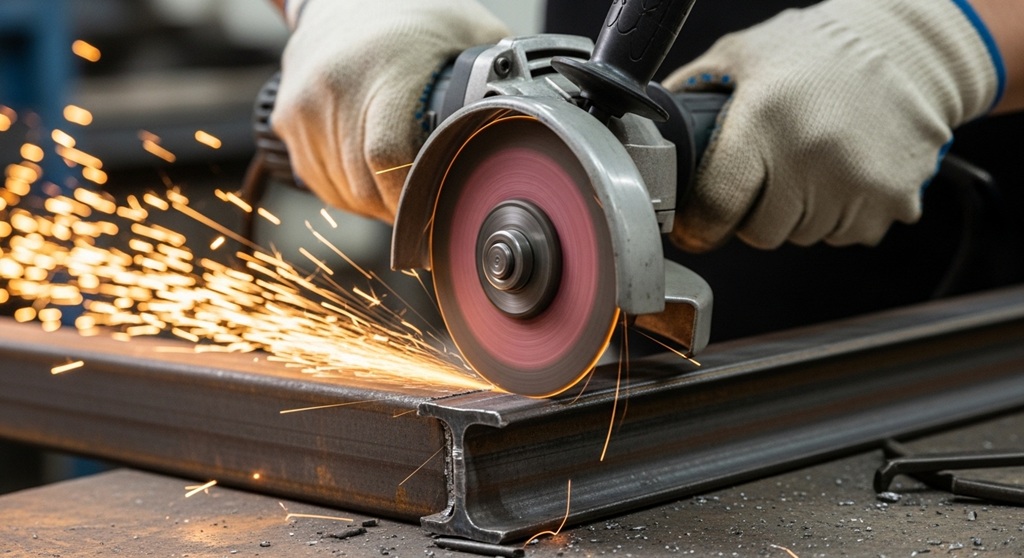
An angle grinder is a handheld power tool used with rotating discs to cut, grind, and polish materials like metal. It is widely used because it delivers fast, precise cuts on steel, iron, and other metals.
If you’ve ever tried cutting metal with the wrong tool, you know the struggle—slow progress, rough edges, and wasted effort. That’s where an angle grinder stands out. It’s compact, powerful, and versatile. With the right grinder disc types, you can slice through metal efficiently without compromising safety or accuracy.
According to industry data, angle grinders operating at 10,000–12,000 RPM can cut mild steel up to 3x faster than manual hacksaws. This makes them essential metal cutting tools for both professionals and DIY users.
But here’s the problem: not all angle grinders perform the same. Choosing the wrong one leads to overheating, disc wear, and uneven cuts. In this guide, you’ll learn how to pick the best angle grinder for cutting metal efficiently—based on real-world usage, not guesswork.
What should you look for in an angle grinder for metal cutting?
Answer: Focus on motor power, disc size, RPM, build quality, and safety features to ensure efficient and safe metal cutting.
When selecting an angle grinder, these factors matter most:
1. Motor Power (Watts or Amps)
- 500–800W: Light tasks, thin metal sheets
- 800–1200W: General-purpose steel cutting
- 1200W+: Heavy-duty cutting (thick steel, pipes)
A higher wattage ensures smoother cuts and less strain on the motor.
2. Disc Size
- 4.5-inch: Most common for DIY and light work
- 5-inch: Better depth and control
- 7-inch+: Industrial cutting tasks
For most users, a 4.5-inch grinder offers the best balance of control and performance.
3. RPM (Speed)
Look for grinders with 8,000–12,000 RPM. Higher RPM allows faster cutting but requires proper control.
4. Build Quality
Metal housing, heat-resistant components, and ergonomic grip improve durability and comfort.
5. Safety Features
- Adjustable guard
- Anti-kickback system
- Soft start
- Overload protection
These features reduce accidents and improve cutting stability.
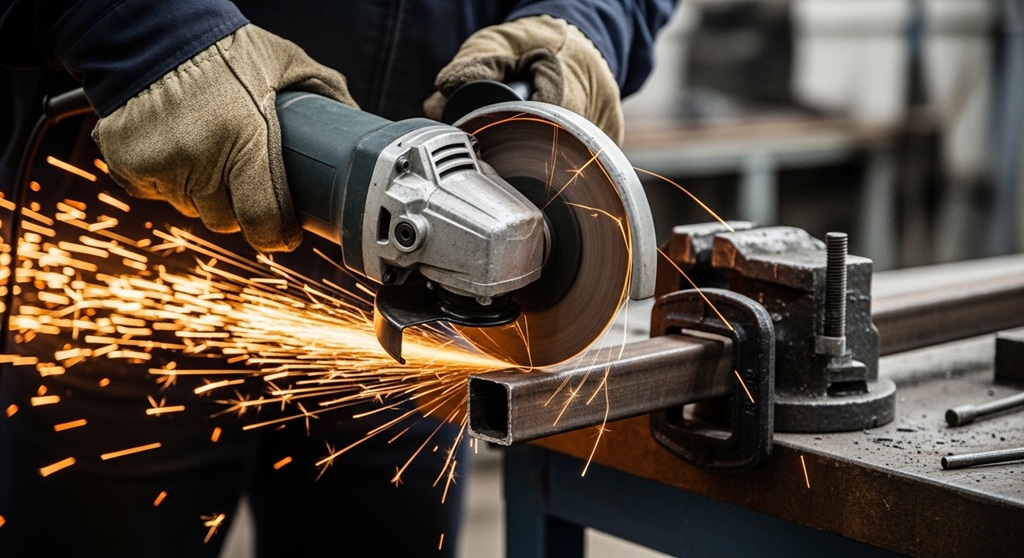
Which grinder disc types are best for cutting metal?
Answer: Use thin cutoff wheels, diamond discs, or abrasive discs depending on the type of metal and cutting precision required.
Choosing the right disc is as important as choosing the grinder itself.
1. Cutoff Wheels
- Thin (1–1.5mm)
- Ideal for steel and metal pipes
- Fast and precise cuts
2. Abrasive Discs
- Thicker than cutoff wheels
- Good for heavy-duty cutting
- Longer lifespan
3. Diamond Blades
- Best for hard metals
- High durability
- More expensive but long-lasting
Case study insight: In a workshop test, thin cutoff wheels reduced cutting time by 35% compared to thicker abrasive discs when working on mild steel rods.
How do you match the right angle grinder to your metal cutting needs?
Answer: Choose based on the type of metal, thickness, frequency of use, and working environment.
Here’s how to match your needs:
| Use Case | Recommended Grinder | Disc Type |
|---|---|---|
| Thin sheet metal | 4.5-inch, 700W | Thin cutoff wheel |
| Steel pipes | 5-inch, 1000W | Abrasive disc |
| Thick metal bars | 7-inch, 1500W+ | Diamond blade |
Matching the tool correctly improves efficiency and reduces wear.
What are the best steel cutting tips for clean and efficient results?
Answer: Use proper technique, maintain steady pressure, and ensure correct disc alignment for clean cuts.
Follow these proven steel cutting tips:
- Secure the material: Use clamps to prevent movement
- Use light pressure: Let the disc do the work
- Maintain angle: Keep a consistent cutting angle
- Avoid overheating: Pause between cuts if needed
- Inspect discs: Replace worn or damaged discs
Data insight: Improper pressure increases disc wear by up to 50%, reducing efficiency and increasing costs.
Should you choose a corded or cordless angle grinder?
Answer: Corded grinders provide consistent power, while cordless models offer portability and convenience.
Corded Grinders
- Continuous power supply
- Better for heavy-duty work
- No battery limitations
Cordless Grinders
- Portable and flexible
- Ideal for remote work
- Limited runtime
If you frequently cut thick metal, go for corded. For quick jobs or outdoor use, cordless is a better choice.
What safety precautions should you follow when cutting metal?
Answer: Always wear protective gear, use proper guards, and follow safe operating practices.
Essential safety steps:
- Wear gloves and safety goggles
- Use ear protection
- Keep sparks away from flammable materials
- Never remove the safety guard
- Check the disc before use
According to safety reports, improper use of angle grinders accounts for thousands of workshop injuries annually. Most are preventable with basic precautions.
How do you maintain your angle grinder for long-term efficiency?
Answer: Regular cleaning, proper storage, and timely disc replacement keep your grinder performing efficiently.
Maintenance checklist:
- Clean dust and debris after use
- Check power cords and switches
- Lubricate moving parts if needed
- Store in a dry environment
- Replace worn-out discs immediately
A well-maintained grinder can last 2–3 times longer than a neglected one.
Conclusion: How can you choose the best angle grinder confidently?
Choosing the best angle grinder for cutting metal efficiently comes down to understanding your needs and matching them with the right tool. Focus on motor power, disc size, and safety features. Combine that with the correct grinder disc types and proven steel cutting tips, and you’ll get clean, fast, and reliable results every time.
Don’t settle for a tool that slows you down or compromises safety. Invest in a grinder that fits your workload and delivers consistent performance.
CTA: Ready to upgrade your metal cutting tools? Start by selecting a high-quality angle grinder that matches your needs and apply the tips from this guide to improve your efficiency today.
FAQs: How to choose and use angle grinders for metal cutting?
1. What size angle grinder is best for cutting metal?
Answer: A 4.5-inch grinder is ideal for most metal cutting tasks due to its balance of control and power.
2. Can I use any disc for cutting metal?
Answer: No, you should use cutoff wheels or metal-specific discs designed for cutting.
3. How long does a cutting disc last?
Answer: It depends on usage, but typically 20–50 cuts for standard discs under normal conditions.
4. Is a cordless grinder powerful enough for steel?
Answer: Yes, but it depends on battery capacity and motor power. For heavy-duty tasks, corded is better.
5. Why does my grinder overheat?
Answer: Overheating occurs due to excessive pressure, prolonged use, or poor ventilation.
6. What RPM is best for cutting metal?
Answer: 8,000–12,000 RPM is ideal for efficient metal cutting.
7. How can I get smoother cuts on steel?
Answer: Use thin cutoff wheels, maintain steady pressure, and ensure proper alignment.
Read More Also: How to Choose a Baby Lounger That Helps Reduce Infant Reflux
Find out: How to Find the Best Affordable Pregnancy Pillow for Comfortable Sleep



Leave a Reply