
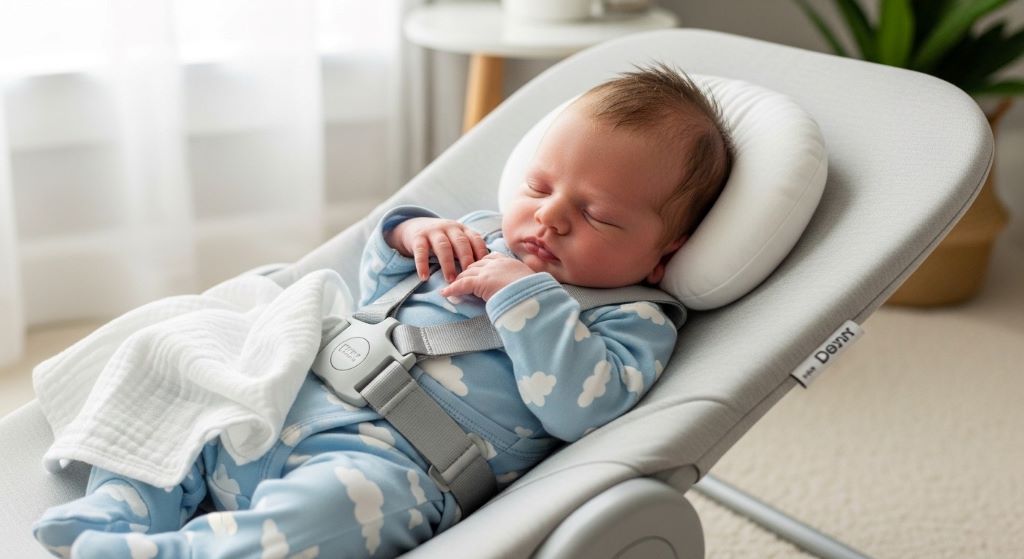
Parents of babies with reflux know the challenges that come with this common condition. Watching your little one struggle with discomfort after feeding can be heartbreaking. Many caregivers search for solutions that provide relief and comfort for their infants. The right baby lounger can make a significant difference in managing reflux symptoms and improving quality of life for both baby and parents.
Understanding what features to look for in baby furniture designed for reflux can feel overwhelming. However, with the right information, you can make an informed decision that benefits your child. This guide will walk you through everything you need to know about selecting the best lounger for your baby’s specific needs.
Understanding Infant Reflux and Its Challenges
Infant reflux, also known as gastroesophageal reflux, affects nearly half of all babies. This condition occurs when stomach contents flow back into the esophagus. The immature digestive system of newborns makes them particularly susceptible to this issue. Additionally, their mostly liquid diet and horizontal positioning contribute to frequent reflux episodes.
Common symptoms include frequent spitting up, irritability during or after feeding, and arching of the back. Some babies also experience poor sleep, coughing, or difficulty gaining weight. These signs indicate that stomach acid is causing discomfort for your little one.
Most babies outgrow reflux by their first birthday as their digestive systems mature. Meanwhile, parents need strategies to manage symptoms and keep their babies comfortable. Positioning plays a crucial role in reducing reflux episodes and their severity.
Keeping babies upright or at an incline after feeding helps prevent stomach contents from flowing backward. This simple adjustment can significantly reduce discomfort and spitting up. Therefore, many pediatricians recommend elevated positioning as a first-line approach to managing reflux.
Why Positioning Matters for Reflux Management
The angle at which your baby rests directly affects how gravity works with their digestive system. A completely flat position allows stomach contents to travel easily back up the esophagus. Conversely, an elevated position uses gravity to keep food moving in the correct direction.
Medical professionals often recommend keeping babies upright for 20 to 30 minutes after feeding. However, holding your baby constantly is not always practical or sustainable. Parents need their hands free for other tasks and their own rest. This is where specialized baby furniture becomes valuable.
The ideal angle for reflux relief typically ranges between 15 and 30 degrees. This incline is gentle enough for safe infant positioning while steep enough to provide therapeutic benefits. Furthermore, it allows babies to rest comfortably without putting strain on developing muscles and bones.
Proper positioning also reduces the risk of aspiration. When reflux occurs while a baby is flat, there is a chance they might breathe in stomach contents. An elevated position minimizes this risk significantly. Therefore, positioning becomes both a comfort measure and a safety consideration.
Essential Features to Look for in a Reflux-Friendly Lounger
Several key features distinguish regular baby loungers from those specifically helpful for reflux management. Understanding these characteristics helps you identify products that will genuinely benefit your child. Let’s explore the most important elements to consider.
Adjustable incline options provide versatility as your baby grows and their needs change. Some days may require a steeper angle than others. Additionally, adjustability allows you to find the perfect position that works for your individual baby. Look for loungers with multiple secure incline settings.
Firm yet comfortable support prevents your baby from sinking into the material. Overly soft surfaces can create unsafe sleeping conditions and may not maintain the proper angle. Moreover, firm support helps keep your baby’s airway clear and unobstructed. The surface should feel supportive when you press on it.
Breathable materials are essential for safety and comfort. Mesh panels or specially designed fabrics allow air circulation around your baby. This prevents overheating and ensures optimal airflow. Furthermore, breathable materials reduce the risk of suffocation if your baby’s face comes into contact with the surface.
Secure harness systems keep your baby safely positioned even as they begin to wiggle and move. A good harness should be adjustable and comfortable without being restrictive. Additionally, it should be easy for parents to fasten and unfasten quickly. Check that the harness meets current safety standards.
Easy-to-clean covers make life simpler when dealing with reflux-related messes. Removable, machine-washable covers are ideal for frequent cleaning. Waterproof or water-resistant materials also help protect the lounger’s inner structure. This feature becomes especially important as spitting up is common with reflux babies.
Safety Considerations When Using Baby Loungers
Safety must be the top priority when selecting any baby product. While loungers can help manage reflux symptoms, they must be used correctly to prevent risks. Understanding safety guidelines ensures your baby benefits from the lounger without exposure to hazards.
Never use a baby lounger as a sleeping surface for unsupervised sleep. The American Academy of Pediatrics recommends that babies sleep on flat, firm surfaces for safe sleep. Loungers are intended for supervised rest periods, not overnight sleeping. Always transfer your baby to an approved sleep surface for naps and nighttime rest.
Constant supervision is necessary whenever your baby uses a lounger. Even with safety harnesses, babies should never be left unattended in these products. Additionally, always place the lounger on the floor rather than elevated surfaces. This prevents dangerous falls if the baby’s movements shift the lounger.
Age and weight limits vary between products and must be strictly followed. Most loungers are designed for newborns up to a certain weight or developmental milestone. Once your baby can roll over, sit up, or exceeds the weight limit, discontinue use immediately. These developmental changes make loungers unsafe.
Product recalls happen occasionally in the baby product industry. Register your lounger with the manufacturer to receive safety notices. Furthermore, regularly check consumer safety databases for any warnings related to your specific product. Staying informed helps you respond quickly to any safety concerns.
Proper assembly and maintenance ensure ongoing safety. Follow manufacturer instructions precisely when setting up the lounger. Regularly inspect the product for wear, tear, or damage. Moreover, tighten any screws or fasteners that may have loosened over time. These simple checks prevent accidents.
Medical Features That Support Digestive Comfort
Beyond basic positioning, certain design elements specifically support digestive function in babies with reflux. These features work together to create an environment that minimizes discomfort and promotes better digestion. Understanding these elements helps you choose the most therapeutic option.
Gentle contouring supports your baby’s natural body position without forcing unnatural curves. The lounger should cradle your baby’s body while maintaining proper spinal alignment. Additionally, good contouring prevents your baby from sliding down into an unsafe position. Look for designs that keep babies securely in place.
Head and neck support is particularly important for newborns with limited muscle control. The lounger should support the head at the proper angle without tilting it forward or backward. Furthermore, adequate neck support helps maintain an open airway. This becomes especially crucial for babies who may experience breathing difficulties related to reflux.
Hip positioning affects overall comfort and safety. The lounger should allow your baby’s hips to rest in a natural, healthy position. Excessive spreading or compression can cause discomfort or developmental issues. Moreover, proper hip positioning contributes to overall postural support.
Temperature regulation features help prevent overheating, which can worsen reflux symptoms. Some babies experience increased reflux when too warm. Breathable fabrics and ventilated designs keep your baby at a comfortable temperature. Additionally, avoiding overheating reduces the risk of other safety concerns.
Anti-slip bases keep the lounger stable on various surfaces. A stable base prevents the lounger from sliding or tipping during use. This stability is especially important when babies begin to move more. Furthermore, textured or rubberized bottoms provide extra security on smooth floors.
Comparing Different Types of Supportive Baby Products
The market offers various products marketed for reflux relief. Understanding the differences between these options helps you make the best choice for your situation. Each type has distinct advantages and considerations worth exploring.
Inclined sleepers were once popular but have been recalled or removed from the market due to safety concerns. These products allowed babies to sleep at an angle but posed suffocation risks. Current safety recommendations strongly discourage their use. This history highlights the importance of choosing products that meet current safety standards.
Wedge-style positioners place under crib mattresses to create a gentle incline. However, many pediatricians no longer recommend these due to safety risks. Babies can slide down and become trapped. Additionally, these products may create gaps that pose hazards. Always consult your pediatrician before using any positioning device.
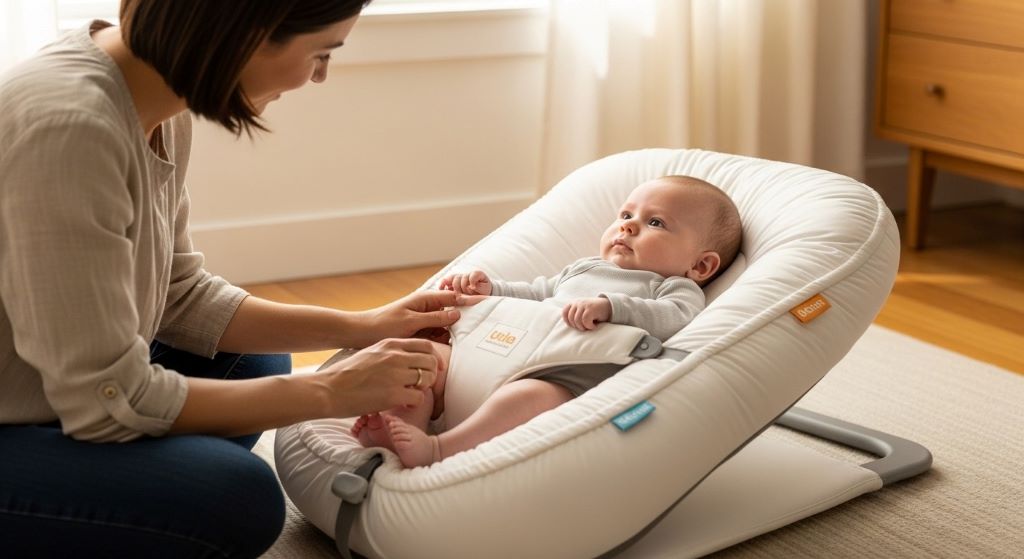
Supervised loungers designed for awake time offer a safer alternative. These products are specifically intended for supervised use while your baby is awake. They provide the benefits of inclined positioning without the risks associated with sleep products. Moreover, they offer a dedicated space for post-feeding rest periods.
Specialized feeding pillows help during and immediately after meals. These products support your baby in an upright position during feeding sessions. Some designs allow babies to remain on the pillow for the recommended post-feeding period. Furthermore, they free up parents’ hands while maintaining therapeutic positioning.
Baby rockers and bouncers sometimes include incline features. While not specifically designed for reflux, some models offer appropriate angles. However, verify that any rocker or bouncer meets safety standards and provides adequate support. Additionally, ensure the incline can be locked in a stable position rather than relying solely on rocking motion.
Evaluating Quality and Durability
Investing in a quality lounger ensures both safety and value. Well-made products last longer and maintain their therapeutic benefits throughout your baby’s use. Several factors indicate a lounger’s quality and long-term performance.
Construction materials should be non-toxic and free from harmful chemicals. Look for certifications indicating the product meets safety standards for infant products. Additionally, check for chemical certifications like GREENGUARD or Oeko-Tex. These verify that materials are safe for your baby’s sensitive skin and developing system.
Stitching quality indicates overall construction standards. Examine seams for tight, even stitching without loose threads or gaps. Double-stitched seams provide extra durability in high-stress areas. Furthermore, reinforced attachment points for harnesses indicate attention to safety details.
Frame stability affects both safety and longevity. The lounger’s structure should feel solid without wobbling or flexing excessively. Test the frame by applying gentle pressure to various points. Moreover, quality frames maintain their shape through repeated use and cleaning.
Brand reputation provides insight into reliability and customer service. Research manufacturers with established track records in baby products. Read reviews from other parents dealing with infant reflux. Additionally, consider brands that offer strong warranties and responsive customer support.
Price considerations balance budget constraints with quality requirements. While expensive doesn’t always mean better, extremely cheap products may cut corners on safety or durability. Look for mid-range options that offer good value without compromising essential features. Furthermore, consider the cost per use when evaluating price.
Making the Most of Your Reflux-Relief Lounger
Owning the right lounger is only part of the solution. Using it effectively maximizes benefits for your baby. These strategies help you get the most value from your investment while supporting your baby’s comfort and health.
Timing matters when using the lounger for reflux management. Place your baby in the lounger immediately after feeding for the recommended 20 to 30 minutes. This timing takes advantage of the therapeutic positioning when it’s most needed. Additionally, establishing a routine helps your baby associate the lounger with post-feeding rest.
Combining the lounger with other reflux management strategies creates a comprehensive approach. Continue any feeding modifications recommended by your pediatrician. Moreover, ensure proper burping techniques and consider smaller, more frequent feedings. The lounger works best as part of an overall management plan.
Creating a calm environment enhances the lounger’s effectiveness. Minimize stimulation during post-feeding rest periods to help your baby relax. Gentle music or white noise can be soothing. Furthermore, dim lighting signals that this is quiet rest time rather than active play.
Monitoring your baby’s response helps you adjust your approach. Keep track of reflux episodes, sleep quality, and overall comfort levels. Notice whether certain angles or timing patterns work better. Additionally, share these observations with your pediatrician at check-ups.
Transitioning away from the lounger should happen gradually as your baby outgrows reflux. Most babies show improvement around six months to one year. Work with your healthcare provider to determine when to reduce lounger use. Moreover, watch for signs that your baby no longer needs the elevation for comfort.
Understanding Your Pediatrician’s Recommendations
Medical guidance should always inform your decisions about managing infant reflux. Your pediatrician knows your baby’s specific situation and can provide personalized advice. Understanding how to work effectively with your healthcare provider ensures the best outcomes.
Discussing product choices with your doctor helps ensure safety and appropriateness. Bring information about any lounger you’re considering to your appointments. Ask specific questions about features and how they align with your baby’s needs. Additionally, inquire about any concerns or contraindications for your particular child.
Following prescribed treatments alongside using a reflux relief baby pillow creates a complete care plan. Some babies need medication in addition to positioning strategies. Never stop prescribed medications without medical guidance. Moreover, report any changes in symptoms to your healthcare provider promptly.
Recognizing warning signs helps you know when to seek immediate medical attention. Severe symptoms like blood in spit-up, poor weight gain, or breathing difficulties require prompt evaluation. Additionally, if your baby seems excessively distressed despite positioning strategies, contact your pediatrician. These signs may indicate more serious issues requiring different treatment.
Regular follow-up appointments allow your doctor to monitor progress. Most babies with reflux need periodic check-ins to assess growth and symptom improvement. These visits provide opportunities to discuss whether your current strategies are working. Furthermore, your doctor can recommend adjustments based on your baby’s development.
Real-Life Experiences and Practical Tips
Learning from other parents who have managed infant reflux provides valuable insights. These practical tips come from real experiences and can help you navigate challenges more effectively. Consider these suggestions as you establish your reflux management routine.
Starting slowly helps both you and your baby adjust to using a lounger. Introduce the lounger gradually rather than switching completely at once. Begin with short supervised sessions and increase duration as your baby becomes comfortable. Additionally, stay close during initial uses to monitor your baby’s response.
Portability considerations make life easier when managing reflux on the go. If you frequently visit family or travel, consider a lightweight, portable option. Some loungers fold compactly for easy transport. Moreover, having a dedicated lounger at grandparents’ homes ensures consistency in your baby’s care.
Cleaning routines prevent buildup of bacteria from spit-up and drool. Establish a regular cleaning schedule based on how frequently your baby uses the lounger. Spot clean immediately after spitting up when possible. Furthermore, do a thorough cleaning at least weekly or more often if needed.
Storage solutions keep your lounger accessible but not cluttering your living space. Designate a specific spot where the lounger stays between uses. This makes it easy to grab when needed after feeding. Additionally, proper storage protects the lounger from household wear when not in use.
Patience proves essential as you find what works for your individual baby. Not every baby responds the same way to positioning strategies. Some may need different angles or durations than others. Moreover, what works one week may need adjustment as your baby grows and changes.
Budgeting for Quality Reflux Support Products
Managing infant reflux can involve various expenses beyond basic baby supplies. Planning your budget helps you invest in helpful products without financial stress. These considerations help you make cost-effective choices.
Prioritizing essential features over luxury additions focuses your budget effectively. Determine which features truly impact reflux management and which are simply nice to have. Safety and therapeutic positioning should take priority over extras like music or vibration. Additionally, simple designs often cost less while meeting all necessary requirements.
Secondhand considerations require extra caution with baby safety products. While buying used can save money, ensure any secondhand lounger meets current safety standards. Check for recalls and verify that all parts function properly. Moreover, inspect thoroughly for wear that might compromise safety or effectiveness.
Insurance coverage or HSA funds might offset costs in some cases. Check whether your health insurance covers items prescribed for medical conditions like reflux. Health Savings Accounts often allow purchases of medical equipment. Additionally, some flexible spending accounts include baby health items.
Long-term value calculation considers how much use you’ll get from the product. A lounger used multiple times daily for several months offers good value even at higher prices. Calculate the cost per use over the expected usage period. Furthermore, quality products that last may be worth more than cheaper options needing replacement.
Alternative and Complementary Approaches
While newborn reflux support products help manage symptoms, other strategies can complement their benefits. Taking a multi-faceted approach often yields the best results. Consider incorporating these additional methods into your reflux management plan.
Feeding modifications can significantly reduce reflux episodes. Smaller, more frequent feedings prevent overfilling the stomach. Additionally, ensuring proper latch during breastfeeding or appropriate bottle nipple flow helps babies avoid swallowing excess air. These adjustments work alongside positioning strategies.
Burping techniques matter more for reflux babies than many parents realize. Take time to burp your baby thoroughly during and after feeding. Try different positions to find what works best for releasing trapped air. Moreover, gentle back patting or rubbing can be more effective than vigorous patting.
Dietary changes for breastfeeding mothers sometimes help when other methods don’t. Some babies are sensitive to foods in their mother’s diet that pass through breast milk. Common triggers include dairy, caffeine, or spicy foods. However, only eliminate foods under guidance from your healthcare provider.
Holding and carrying positions during non-sleeping times provide additional upright time. Baby carriers that position babies upright give you hands-free time while supporting digestion. Additionally, holding your baby upright on your shoulder after feeding offers bonding time while helping with reflux.
Stress reduction benefits both parents and babies. Caring for a baby with reflux can be exhausting and stressful. Taking breaks when possible and accepting help from others preserves your energy. Furthermore, calm parents often have calmer babies, which can indirectly improve reflux symptoms.
Conclusion
Choosing the right baby lounger for reflux management requires careful consideration of multiple factors. Safety must always be the primary concern, followed by features that specifically support digestive comfort. The ideal lounger provides appropriate incline, firm support, breathability, and easy maintenance while meeting current safety standards.
Understanding infant reflux helps you appreciate why positioning matters so much. Gravity works with your baby’s digestive system when they rest at the proper angle. However, loungers are tools for supervised awake time, not sleep surfaces. Always follow safe sleep guidelines and use loungers only as directed.
Working closely with your pediatrician ensures your approach to reflux management is comprehensive and safe. Medical advice should guide all decisions about products and strategies. Additionally, monitoring your baby’s response helps you adjust your methods for optimal results.
Quality matters when investing in products designed to support your baby’s health. Well-constructed loungers with appropriate features provide better results and last longer. Moreover, they offer peace of mind regarding safety and effectiveness.
Remember that most babies outgrow reflux as their digestive systems mature. The challenging early months won’t last forever. Meanwhile, the right support products combined with medical guidance and patience help both you and your baby navigate this temporary condition more comfortably.
Frequently Asked Questions
Can I use a baby lounger for overnight sleeping if my baby has severe reflux?
No, baby loungers should never be used for unsupervised sleep, even for babies with reflux. The American Academy of Pediatrics recommends that all babies sleep on flat, firm surfaces to reduce the risk of sudden infant death syndrome. If your baby’s reflux is severe, consult your pediatrician about safe sleep strategies. Some doctors may recommend elevating one end of the crib mattress slightly under medical supervision.
How long should my baby stay in the lounger after feeding?
Most pediatricians recommend keeping babies upright for 20 to 30 minutes after feeding to help prevent reflux episodes. However, this is supervised awake time only. Your baby should always be watched while in the lounger. The exact duration may vary based on your individual baby’s needs, so discuss timing with your healthcare provider for personalized guidance.
At what age should I stop using a reflux lounger?
Discontinue using the lounger when your baby reaches the weight limit, can roll over, or shows signs of trying to sit up. Most loungers are designed for newborns up to around four to six months, though this varies by product. Additionally, many babies show improvement in reflux symptoms between six months and one year as their digestive systems mature, reducing the need for positioning support.
Are there any risks associated with using inclined baby loungers?
When used properly for supervised awake time, quality loungers pose minimal risk. However, dangers arise when loungers are misused for unsupervised sleep or when babies exceed size limits. Always follow manufacturer guidelines, use safety harnesses, and never leave your baby unattended. Purchase only products that meet current safety standards and avoid recalled items. Supervision is absolutely essential during all use.
How do I know if the lounger is actually helping my baby’s reflux?
Track your baby’s symptoms before and after starting to use a lounger. Notice whether spitting up decreases, fussiness improves, or sleep quality gets better. Keep a journal of feeding times, lounger use, and reflux episodes. Share these observations with your pediatrician at check-ups. However, remember that reflux improvement often comes from multiple strategies combined, not just one product alone.
Related Topics:
Top Nursing Pillow for New Moms: Momcozy Original Guide




Leave a Reply