
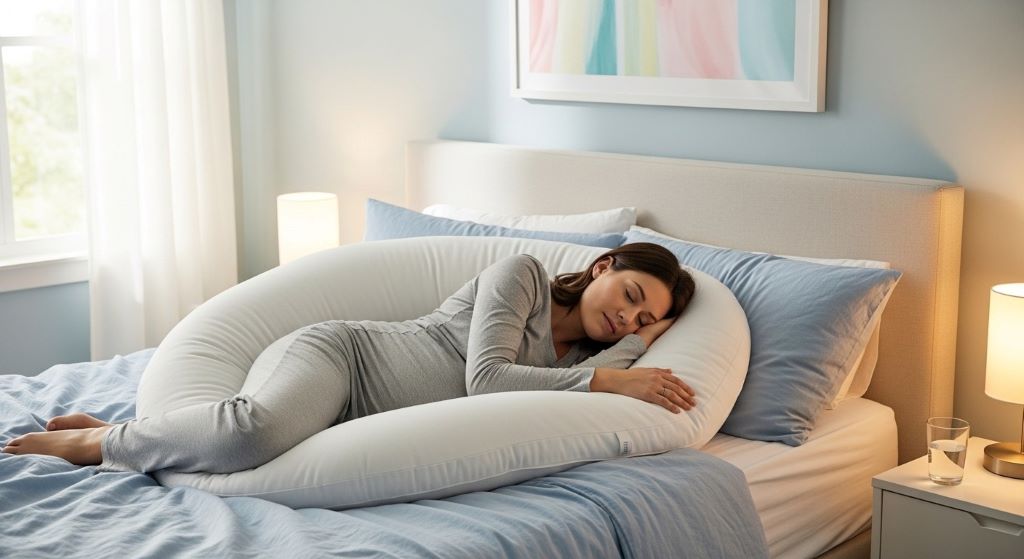
Pregnancy brings incredible joy along with physical challenges that affect rest quality. As your body changes to accommodate new life, finding comfortable sleep positions becomes increasingly difficult. Many expectant mothers struggle through restless nights, tossing and turning while searching for relief. Fortunately, specialized support pillows designed specifically for pregnant women offer practical solutions without breaking your budget.
Quality rest during these crucial months impacts both maternal health and baby development. However, pregnancy-related discomfort often disrupts sleep patterns significantly. Back pain, hip pressure, and difficulty finding suitable positions plague many women throughout their journey. Understanding how to select the right support system can transform sleepless nights into restorative rest periods.
Understanding Your Body’s Changing Sleep Needs
Pregnancy creates unique physical demands that evolve throughout each trimester. Your body undergoes remarkable transformations that affect comfort levels dramatically. The growing belly shifts your center of gravity forward. Additionally, hormone fluctuations cause ligaments to loosen and joints to become less stable. These changes make previous sleeping positions uncomfortable or even unsafe.
During the first trimester, many women experience increased fatigue and breast tenderness. Sleeping on your stomach becomes uncomfortable as sensitivity increases. Therefore, transitioning to side sleeping early helps establish healthy patterns. This preparation proves valuable as pregnancy progresses and options become more limited.
The second trimester brings rapid belly growth and increased weight. Side sleeping becomes essential rather than optional. However, maintaining this position without proper support strains hips and shoulders. Furthermore, the growing uterus puts pressure on your back and internal organs. Strategic cushioning helps alleviate these pressures while promoting proper spinal alignment.
Third trimester challenges intensify as your baby reaches full size. Finding any comfortable position feels nearly impossible without assistance. Your belly requires substantial support to prevent strain. Moreover, positioning between your knees relieves hip pressure and maintains proper leg alignment. Adequate back support prevents rolling onto your back during sleep, which can restrict blood flow.
Types of Support Pillows Available
Various pillow designs address different comfort needs and preferences. Understanding available options helps you identify the best solution for your situation. Each style offers distinct advantages worth considering carefully.
Full-length body pillows provide comprehensive support from head to toe. These elongated cushions curve around your body, supporting multiple areas simultaneously. They typically measure five to six feet long. Additionally, you can position them in various configurations to accommodate changing needs. Many pregnant women find these versatile options particularly valuable.
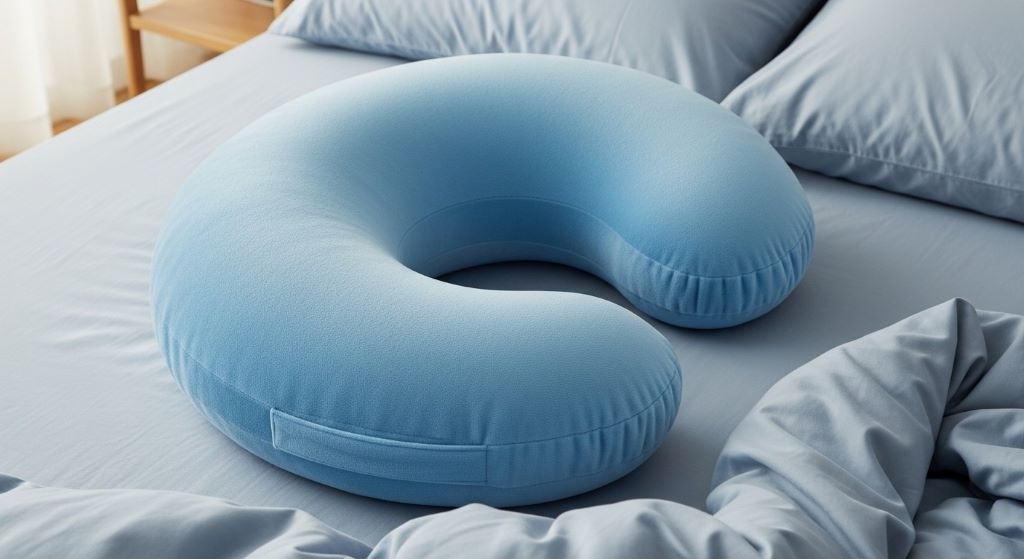
C-shaped pillows cradle your body in a gentle curve. One end supports your head while the curve follows your spine. The opposite end tucks between your knees or supports your belly. This design keeps everything aligned naturally. Furthermore, the continuous shape prevents the pillow from shifting during sleep. These work exceptionally well for back sleepers transitioning to side sleeping.
U-shaped pillows offer dual-sided support that eliminates the need for repositioning. The design supports your back and front simultaneously. Your body nestles into the center opening comfortably. However, these larger pillows require more bed space. Couples sharing smaller beds might find them impractical despite their comfort benefits.
Wedge pillows provide targeted support for specific problem areas. Small triangular cushions slip under your belly or behind your back. Their compact size makes them portable and versatile. Moreover, multiple wedges can be combined to create customized support systems. These budget-friendly options work well for women experiencing isolated discomfort.
Inflatable pillows offer adjustable firmness and packable convenience. You can modify the support level by adding or releasing air. These travel-friendly options maintain consistency away from home. Additionally, they typically cost less than traditional filled pillows. Some women prefer keeping inflatable versions for trips while using standard pillows at home.
Essential Features to Consider
Identifying must-have characteristics ensures your investment meets your needs effectively. Certain features significantly impact comfort and longevity. Evaluate these factors carefully before making your purchase decision.
Fill material determines both comfort and durability substantially. Polyester fiber fill offers affordable cushioning that maintains shape well. Memory foam contours to your body but may retain heat. Microbeads provide unique moldability with excellent air circulation. Natural fills like cotton or kapok appeal to eco-conscious buyers. Each material presents different benefits and price points worth comparing.
Cover fabric affects temperature regulation and maintenance ease. Breathable cotton keeps you cool throughout the night. Jersey knit offers softness and stretch that accommodates movement. Bamboo-derived fabrics provide natural antimicrobial properties. Furthermore, removable washable covers simplify cleaning and hygiene maintenance. This feature becomes particularly important as pregnancy progresses and spills become more likely.
Size considerations impact both functionality and practicality. Measure your bed dimensions before selecting oversized options. Consider whether your partner shares the bed and their space needs. Additionally, think about storage requirements when the pillow isn’t in use. Larger doesn’t always mean better if it creates new problems.
Firmness levels vary significantly between products and personal preferences. Some women prefer plush softness that envelopes their body. Others need firmer support that prevents sinking. Your sleeping position and specific pain points influence ideal firmness. Therefore, reading detailed reviews from users with similar needs provides valuable insights.
Adjustability features extend usability throughout pregnancy and beyond. Removable sections let you customize the configuration. Adjustable straps or ties keep components positioned correctly. Moreover, pillows that adapt serve you longer and offer better value. Some designs transition into nursing pillows or toddler bed rails after delivery.
Budget-Friendly Shopping Strategies
Finding quality support without overspending requires strategic shopping approaches. Several methods help you maximize value while minimizing costs. These techniques ensure you get necessary comfort within your budget constraints.
Timing purchases around sales events yields significant savings. Major shopping holidays often feature substantial discounts on baby products. Additionally, end-of-season clearances can offer excellent deals. Sign up for email newsletters from baby retailers to receive advance sale notifications. This preparation helps you purchase when prices drop rather than paying full retail.
Comparing prices across multiple retailers prevents overpaying. The same product often costs different amounts at various stores. Online marketplaces, department stores, and specialty baby shops all carry different price points. Furthermore, checking both online and brick-and-mortar options expands your possibilities. Price comparison websites simplify this process considerably.
Reading reviews carefully helps avoid costly mistakes. Other mothers share honest feedback about comfort, durability, and value. Look specifically for reviews from women with similar body types and sleep preferences. Additionally, note complaints about common problems like flattening or shifting. This research prevents purchasing pillows that won’t meet your needs.
Considering gently used options can reduce costs dramatically. Many women sell barely used pregnancy pillows after delivery. Online marketplaces and local parent groups often have excellent deals. However, inspect used items carefully for wear, stains, or odors. Moreover, purchase washable covers separately if needed for hygiene concerns.
Prioritizing versatility maximizes your investment value. Pillows that serve multiple purposes throughout pregnancy justify higher initial costs. Additionally, items that transition into postpartum use provide extended benefits. Calculate the cost per month of use rather than just the purchase price. This perspective reveals true value more accurately.
Optimal Sleep Positions for Expectant Mothers
Proper positioning significantly impacts sleep quality and physical comfort. Medical professionals recommend specific positions that benefit both mother and baby. Understanding these guidelines helps you use your pillow most effectively.
Side sleeping, particularly on your left side, provides optimal benefits. This position improves circulation to your baby and major organs. It reduces pressure on your liver and helps kidneys function efficiently. Furthermore, left-side sleeping can minimize heartburn and digestive discomfort. Healthcare providers recommend establishing this habit early in pregnancy.
Knee pillow placement prevents hip and lower back strain. Positioning a cushion between your legs keeps your hips properly aligned. This elevation reduces pressure on your sciatic nerve. Additionally, it prevents your upper leg from pulling your spine out of alignment. Maintaining this support throughout the night proves essential for comfort.
Belly support reduces strain on abdominal muscles and ligaments. As your pregnancy advances, your growing belly pulls forward. A wedge pillow under your abdomen counteracts this gravitational pull. This support prevents overstretching and reduces round ligament pain. Moreover, it helps you maintain side-sleeping positions more comfortably.
Back support prevents rolling onto your spine during sleep. Sleeping flat on your back can compress major blood vessels after mid-pregnancy. A pillow behind your back creates a gentle barrier. This reminder helps you maintain safe side-sleeping positions. However, don’t stress if you occasionally wake up on your back. Simply return to your side and continue sleeping.
Elevation strategies address specific pregnancy discomforts effectively. Propping your upper body slightly reduces heartburn and reflux. Elevating your feet can minimize swelling and improve circulation. Additionally, some women find relief from shortness of breath with gentle inclines. Experiment with angles to discover what works best for your symptoms.
Maintaining Your Pillow Investment
Proper care extends the life of your pillow and maintains hygiene standards. Regular maintenance prevents deterioration and keeps your sleeping environment fresh. These simple practices protect your investment effectively.
Washing schedules depend on cover type and individual needs. Removable covers should be laundered weekly or biweekly. This frequency prevents buildup of oils, sweat, and allergens. Additionally, immediate spot cleaning addresses spills before they set. Always follow manufacturer washing instructions to prevent damage.
Fluffing techniques restore loft and prevent permanent compression. Daily fluffing redistributes fill material evenly. For fiber-filled pillows, vigorous shaking works well. Memory foam benefits from gentle kneading and air exposure. Moreover, rotating the pillow regularly prevents uneven wear patterns. These habits maintain consistent support levels.
Sunlight exposure naturally eliminates odors and bacteria. Placing pillows in direct sunlight for several hours provides natural sanitization. UV rays kill microorganisms without harsh chemicals. Furthermore, fresh air helps dissipate any musty smells. This method works particularly well for pillows that cannot be machine washed.
Storage solutions protect pillows when not in active use. After pregnancy, proper storage preserves pillows for future use or resale. Clean thoroughly before storing in breathable bags or containers. Avoid plastic storage that traps moisture and promotes mildew. Additionally, store in cool, dry locations away from direct sunlight.
Replacement timing varies based on quality and usage intensity. Monitor for signs of deterioration like permanent flattening or lumping. Cover tears or persistent odors also indicate replacement needs. Generally, quality pillows last through one or two pregnancies with proper care. However, prioritize your comfort over extending use beyond effective support.
Addressing Common Sleep Disruptions
Even with perfect pillow support, pregnancy brings sleep challenges. Understanding these issues helps you develop comprehensive solutions. Combining proper support with other strategies maximizes rest quality.
Frequent bathroom trips interrupt sleep cycles throughout pregnancy. Place a small nightlight in your bathroom to avoid harsh overhead lights. Keep the path clear of obstacles to prevent trips in darkness. Additionally, limit fluid intake in the evening while maintaining overall hydration. These adjustments reduce disruption severity without compromising health.
Temperature fluctuations make comfort difficult to maintain. Pregnancy often increases body temperature and night sweats. Use breathable, moisture-wicking bedding materials. Layer blankets for easy adjustment throughout the night. Furthermore, keep your bedroom slightly cooler than usual. A fan provides both cooling and soothing white noise.
Restless legs syndrome affects many pregnant women, particularly in later months. Gentle stretching before bed can reduce symptoms. Adequate hydration and magnesium intake may help. Additionally, alternating hot and cold compresses on your legs provides relief. Consult your healthcare provider if symptoms become severe.
Anxiety and racing thoughts prevent falling asleep easily. Establish calming bedtime routines that signal your body to relax. Gentle prenatal yoga or meditation reduces stress effectively. Moreover, journaling worries before bed clears your mind. Avoid screens for at least an hour before sleep to improve sleep hormone production.
Physical discomfort requires creative problem-solving beyond pillow support. Pregnancy massage from certified therapists provides relief. Warm baths before bed relax tense muscles. Additionally, appropriate prenatal exercises strengthen supporting muscles. These complementary approaches work together with proper sleep positioning.
Postpartum Pillow Versatility
Quality pregnancy pillows often serve multiple purposes after delivery. Understanding these extended uses maximizes your investment value. Planning for post-pregnancy applications influences initial selection decisions.
Nursing support represents the most common postpartum use. C-shaped and U-shaped pillows position babies comfortably during feeding. They reduce arm and shoulder strain during long nursing sessions. Additionally, they provide proper elevation that improves latch quality. This dual functionality makes them excellent long-term investments.
Bottle feeding benefits from the same supportive positioning. Whether nursing or bottle-feeding, proper support prevents fatigue. The pillow maintains comfortable angles for both parent and baby. Furthermore, it creates a consistent, cozy feeding environment. This familiarity can help establish positive feeding routines.
Tummy time props encourage infant development safely. Smaller wedge pillows provide gentle inclines for supervised tummy time. This positioning helps babies strengthen neck and shoulder muscles. Additionally, it offers variation from flat surface exercises. Always supervise babies during any elevated activities.
Toddler bed transitions utilize body pillows creatively. They create cozy boundaries in big beds that feel secure. Some parents use them as temporary bed rails. Moreover, the familiar pillow provides comfort during this significant change. This reuse extends value considerably beyond pregnancy months.
Adult sleep support continues benefiting overall comfort. Many people discover they sleep better with body pillow support. Side sleepers particularly appreciate continued hip and knee alignment. Additionally, the pillows provide comfort during illness or injury recovery. This extended personal use justifies initial investments easily.
Safety Considerations and Medical Guidance
Consulting healthcare providers ensures your sleeping arrangements support healthy pregnancy. Medical professionals offer personalized advice based on your specific situation. Certain conditions require modified sleeping approaches worth discussing.
High-risk pregnancies may need specialized positioning recommendations. Conditions like placenta previa require particular sleeping positions. Your doctor can advise on optimal arrangements for your circumstances. Additionally, they may recommend specific support types or features. Never hesitate to ask questions about sleep safety.
Pre-existing back or joint problems influence ideal pillow choices. Previous injuries may require firmer or softer support than typical recommendations. Physical therapists can suggest configurations that address your specific needs. Moreover, they may recommend complementary treatments alongside pillow use. Integrated approaches often provide superior results.
Allergy considerations affect fill material and cover selections. Hypoallergenic options prevent respiratory issues and skin irritation. Natural fills may trigger reactions in sensitive individuals. Conversely, synthetic materials might cause problems for others. Discuss your allergy history when selecting pillows.
Medication interactions with sleep quality require professional discussion. Some pregnancy-safe medications affect sleep patterns or position tolerance. Your healthcare provider can adjust timing or dosages if needed. Additionally, they may suggest non-medication alternatives for common discomforts. Comprehensive care considers all factors affecting your rest.
Warning signs requiring immediate medical attention shouldn’t be ignored. Severe pain, significant swelling, or breathing difficulties need urgent evaluation. While pillows improve comfort, they don’t address serious medical conditions. Therefore, always err on the side of caution with concerning symptoms. Your healthcare team provides the best guidance for serious issues.
Conclusion
Finding an affordable pregnancy pillow that delivers genuine comfort doesn’t require excessive spending. Understanding your body’s changing needs throughout pregnancy helps you identify essential features. Various pillow types offer different benefits, from full-body support to targeted relief for specific areas.
Smart shopping strategies help you secure quality products within budget constraints. Comparing options, reading reviews, and timing purchases around sales events maximize value. Additionally, considering versatility ensures your pillow serves you beyond pregnancy months. Proper maintenance protects your investment and extends usability significantly.
Optimal positioning with appropriate support transforms sleep quality during this crucial time. Combining the right pillow with healthy sleep habits addresses multiple discomfort sources. Furthermore, understanding when to seek medical guidance ensures both safety and effectiveness. Remember that quality rest during pregnancy benefits both you and your developing baby.
The perfect maternity pillow balances affordability, comfort, and versatility. Take time to research options thoroughly and consider your specific needs carefully. Your investment in better sleep pays dividends through improved energy, mood, and overall pregnancy experience. Prioritize rest as an essential component of prenatal care.
Frequently Asked Questions
When should I start using a pregnancy support pillow?
Many women benefit from using support pillows as early as the first trimester. Starting early helps you establish comfortable side-sleeping habits before your belly grows significantly. However, you can begin using one at any point when regular pillows no longer provide adequate comfort. Most women find them essential by the second trimester when belly size increases rapidly.
Can I use a regular body pillow instead of a pregnancy-specific one?
Standard body pillows can provide some support, but pregnancy-specific designs offer targeted features that address unique needs. Regular pillows lack the curves and shaping that support growing bellies and changing body contours. Pregnancy pillows also typically include features like removable sections and washable covers designed for expectant mothers. However, if budget is extremely tight, a regular body pillow is better than no support at all.
How do I choose between C-shaped and U-shaped designs?
C-shaped pillows work well if you change positions frequently or have a smaller bed. They support front or back depending on how you position them. U-shaped pillows provide simultaneous front and back support without repositioning, ideal if you tend to stay in one position. Consider your bed size, sleeping style, and whether you share your bed when deciding. Both styles effectively support sleeping during pregnancy when chosen appropriately.
Will my pillow help with postpartum recovery?
Yes, quality pregnancy pillows serve multiple postpartum purposes. They provide excellent support during nursing or bottle-feeding sessions, reducing strain on your arms, back, and shoulders. Many women continue using them for regular sleep comfort, especially while recovering from delivery. Additionally, they can assist with tummy time for your baby and provide comfort during nighttime feedings.
How often should I replace my pregnancy pillow?
With proper care, quality pillows typically last through one or two pregnancies. Replace your pillow when it no longer maintains its shape, develops permanent flat spots, or shows signs of wear like torn covers. If you notice decreased support or increased discomfort despite proper positioning, replacement time has likely arrived. Regular fluffing and following care instructions extend lifespan considerably.
Related Topics:
Top Nursing Pillow for New Moms: Momcozy Original Guide




Leave a Reply