

Hey trendsetters! Ever wonder what goes into creating those comfy and stylish t-shirts and hoodies? Well, it’s not just about cotton anymore. Join me on a journey into the future of clothing as we explore innovative materials that are revolutionizing the game.
The Evolution of Fabric: Beyond Cotton Comfort
Bamboo Bliss
Move over, traditional fibers! Bamboo is stepping into the limelight. Soft as silk and eco-friendly, bamboo fabric is a game-changer. It’s breathable, hypoallergenic, and sustainable – the perfect trifecta for the future of clothing.
Recycled Polyester: Saving the Planet in Style
Say hello to recycled polyester, a hero in the sustainable fashion narrative. By transforming plastic bottles into fabric, it not only reduces waste but also offers durability and flexibility. It’s like giving plastic a second chance, and who wouldn’t want that?
Tencel Triumph
Derived from wood pulp, Tencel fabric is making waves in the fashion world. It’s not only soft but also boasts impressive moisture-wicking properties. Imagine clothes that keep you cool and dry, all while being gentle on the environment.
Smart Clothing: Beyond Comfort
Thermoregulation Marvels
Picture this: a t-shirt that adapts to your body temperature. Smart textiles with thermoregulation capabilities are becoming a reality. No more sweating or shivering – your clothes adjust to keep you just right, like your personal climate control.
Solar-Powered Style
Yes, you heard it right. Solar-powered clothing is no longer confined to sci-fi movies. With flexible solar panels integrated into fabric, your hoodie can now charge your devices on the go. It’s like wearing a power plant!
Anti-Odor Armors
Bid farewell to unpleasant odors. Fabrics infused with antimicrobial agents are here to save the day. Stay fresh even after a long day of adventures – your clothes have got your back.
Ethical and Sustainable Practices: Fashion with a Conscience
Fair Trade Fabrics
Fashion with a conscience is gaining momentum. Fair trade fabrics ensure that everyone involved in the production process, from farmers to factory workers, is treated fairly. It’s not just about looking good; it’s about feeling good too.
Zero-Waste Manufacturing
Innovative manufacturing processes are minimizing waste. From pattern optimization to utilizing every bit of fabric, the industry is moving towards zero-waste. Fashion that’s both stylish and sustainable – a win-win.
Circular Fashion Economy
Welcome to the circular fashion economy, where clothing isn’t just discarded. Old t-shirts and hoodies are recycled into new fibers, reducing the environmental impact and promoting a closed-loop system. It’s a stylish cycle of renewal.
Choosing Your Future Wardrobe
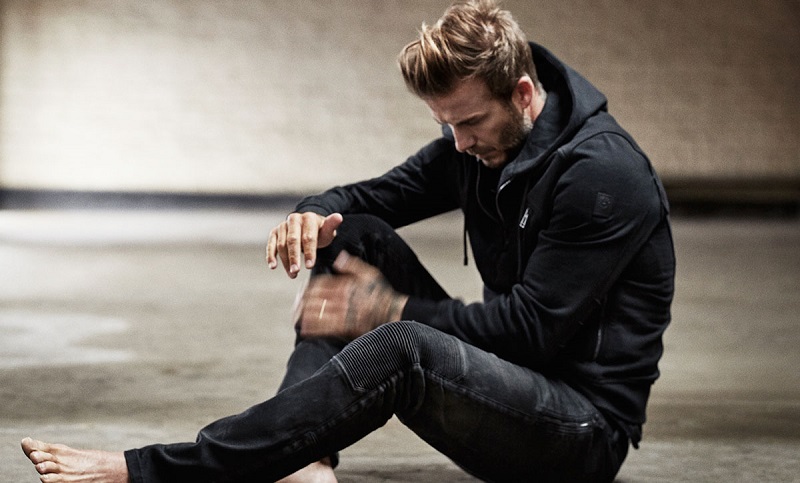
Considering Comfort
When choosing innovative materials, comfort is key. Consider factors like breathability, softness, and stretchability to ensure your clothing not only looks good but feels good too.
Sustainability Matters
Be mindful of the environmental impact. Opt for fabrics with eco-friendly certifications and support brands committed to sustainable practices. Your choices shape the future of fashion.
Tech Integration Preferences
If you’re tech-savvy, explore smart textiles that align with your lifestyle. Whether it’s thermoregulation or solar-powered features, choose clothing that seamlessly integrates technology into your daily adventures.
FAQs (Frequently Asked Questions)
Can bamboo fabric replace cotton in terms of comfort?
Absolutely! Bamboo fabric is incredibly soft and breathable, offering comfort comparable to cotton. Plus, it’s eco-friendly, making it an excellent alternative.
How is recycled polyester different from regular polyester?
Recycled polyester is crafted from used plastic bottles, reducing environmental impact. It retains the durability and flexibility of traditional polyester but with the added benefit of sustainability.
Do smart textiles require special care?
In general, smart textiles can be cared for like regular clothing. However, it’s essential to follow specific care instructions provided by the manufacturer to maintain their technological features.
Are fair trade fabrics more expensive?
While fair trade fabrics may have a slightly higher price point, the ethical practices and sustainability they represent make them a worthwhile investment for conscientious consumers.
Can I recycle old t-shirts at a clothing store?
Many clothing stores participate in recycling programs. Check with your local stores or brands for information on recycling old t-shirts and contributing to the circular fashion economy.
In Conclusion
The future of t-shirt and hoodie manufacturing is not just about looking good; it’s about feeling good and making responsible choices. With innovative materials, smart textiles, and ethical practices, the fashion industry is evolving. So, go ahead, embrace the future of fashion, and wear your values with style!
Tags: hoodie manufacturing companies, t-shirt manufacturing, t-shirt manufacturing company, t-shirt manufacturing plant cost, t-shirt manufacturing process step by step



Leave a Reply