
Parents often wonder why some toddlers seem to learn new skills faster than others. While every child develops at their own pace, research shows that the type of toys children interact with can strongly influence how they learn. Montessori toys are designed specifically to support natural child development. Instead of flashing lights or loud sounds, these toys encourage focus, movement, and hands-on exploration.
Montessori learning toys follow principles developed by Dr. Maria Montessori, an Italian physician and educator who studied how children learn through independent activity. Her educational approach focuses on real-world interaction, sensory exploration, and purposeful play. According to the American Montessori Society, Montessori-based activities help children develop cognitive, motor, and problem-solving skills earlier by allowing them to learn through experience.
Unlike many plastic toys that entertain passively, wooden toddler toys and other Montessori developmental toys require active participation. Children must touch, sort, stack, match, and experiment. This process strengthens neural connections in the brain during the critical early childhood years.
This guide explains how Montessori toys support faster learning in toddlers, why educators recommend them, and how parents can choose the right developmental toys to encourage healthy growth.
What Are Montessori Learning Toys?
Short Answer: Montessori learning toys are simple, hands-on developmental toys designed to encourage independent exploration, sensory learning, and problem-solving.
Montessori toys are inspired by the Montessori educational philosophy developed over 100 years ago. These toys follow three main principles:
- Simplicity and focus
- Real-world skill development
- Hands-on learning through movement
Instead of overwhelming children with multiple functions, Montessori toys usually focus on one learning concept at a time. For example, a wooden stacking toy teaches balance and coordination. A shape sorter teaches spatial awareness.
Many Montessori toys are made from natural materials such as wood because they provide better sensory feedback compared to plastic. The texture, weight, and sound help toddlers understand physical properties.
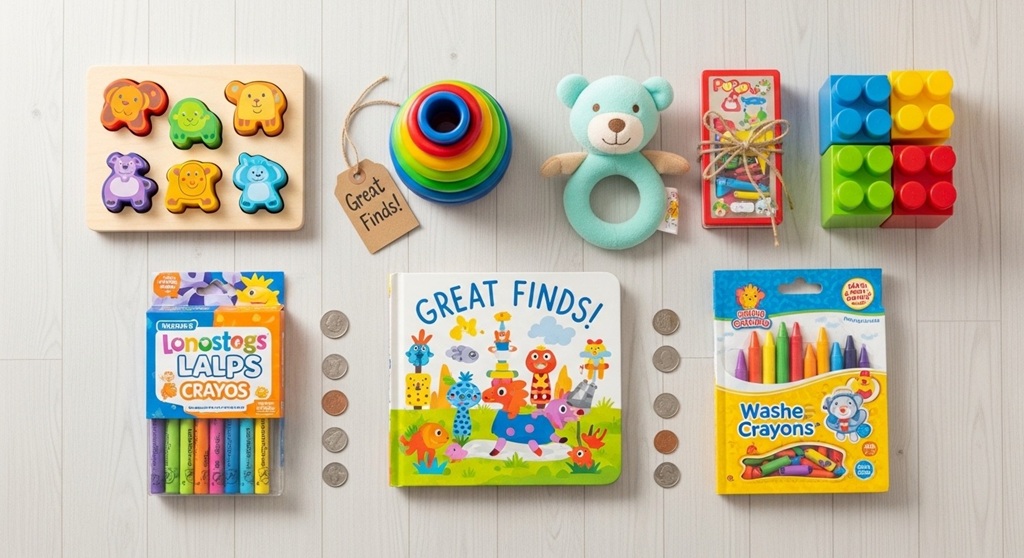
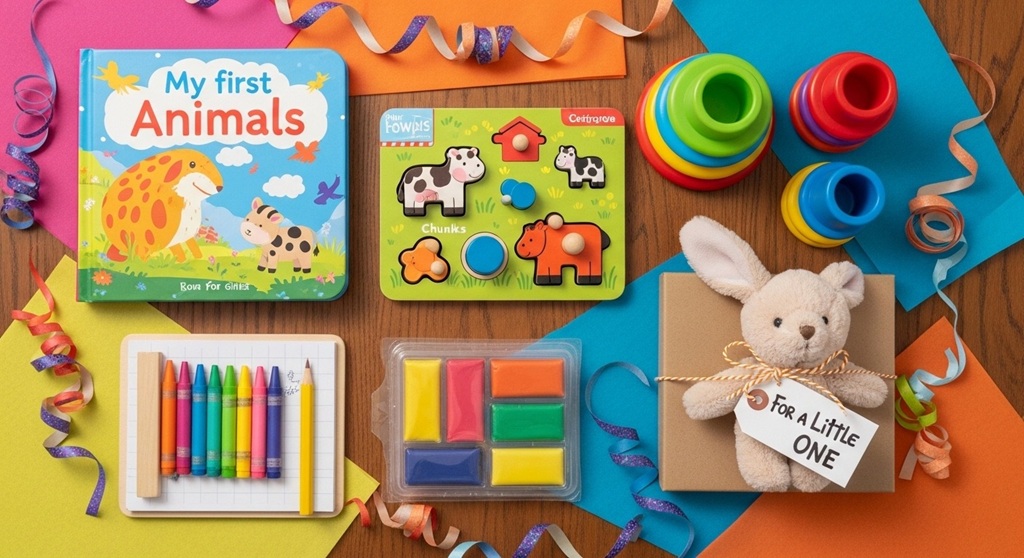
Common Montessori developmental toys include:
- Wooden stacking rings
- Shape sorters
- Puzzle boards
- Object permanence boxes
- Bead threading toys
- Wooden blocks
Each toy supports a specific stage of child development while encouraging concentration and independent thinking.
Why Do Montessori Toys Help Toddlers Learn Faster?
Short Answer: Montessori toys support faster learning because they encourage active engagement, repetition, and independent discovery.
Early childhood experts emphasize that toddlers learn best through physical interaction with their environment. Montessori toys are designed specifically for this learning style.
Unlike electronic toys that perform actions automatically, Montessori toys require toddlers to complete tasks themselves. This process strengthens brain development.
A study published in the journal Frontiers in Psychology found that children who engage in hands-on play activities show stronger development in executive function skills. These include memory, attention, and self-control.
Montessori toys promote three major learning mechanisms:
1. Active Problem Solving
When a toddler tries to fit shapes into a sorter or stack blocks, they experiment through trial and error. This builds reasoning skills.
2. Repetition Builds Neural Connections
Toddlers often repeat the same activity many times. Montessori toys encourage repetition without overwhelming distractions. Repetition strengthens neural pathways in the brain.
3. Self-Directed Learning
Montessori toys allow toddlers to explore independently. Children gain confidence when they solve problems without adult intervention.
How Do Wooden Toddler Toys Improve Brain Development?
Short Answer: Wooden toddler toys improve brain development by stimulating sensory learning, coordination, and spatial reasoning.
Wooden toys are commonly used in Montessori environments because they provide natural sensory feedback.
Unlike plastic toys that often feel identical, wooden toys vary in:
- Texture
- Weight
- Sound
- Balance
These sensory differences help toddlers understand cause-and-effect relationships.
For example, stacking wooden rings teaches several developmental skills:
- Hand-eye coordination
- Fine motor control
- Size recognition
- Balance and stability
Research from the University of Toledo suggests that tactile learning activities strengthen neural development during the first three years of life. The brain forms more than one million neural connections per second during early childhood.
Montessori wooden toys provide safe opportunities for children to use their hands while exploring their environment.
What Skills Do Developmental Toys Teach Toddlers?
Short Answer: Developmental toys help toddlers learn motor skills, cognitive reasoning, language development, and independence.
Montessori developmental toys support multiple areas of child development simultaneously.
| Skill Area | How Montessori Toys Help | Example Toy |
|---|---|---|
| Fine Motor Skills | Encourages hand and finger control | Bead threading toy |
| Cognitive Skills | Improves reasoning and problem solving | Shape sorter |
| Hand-Eye Coordination | Supports precise movement control | Stacking rings |
| Spatial Awareness | Helps children understand shapes and sizes | Puzzle boards |
| Independence | Encourages self-directed play | Object permanence box |
These early developmental skills form the foundation for later academic learning such as reading, writing, and mathematics.
What Does Research Say About Montessori Learning Toys?
Short Answer: Research shows Montessori-based learning environments improve academic and social development in early childhood.
One of the most widely cited studies on Montessori education was conducted by researchers at the University of Virginia. The study compared students in Montessori schools with those in traditional classrooms.
The results showed that Montessori students performed better in:
- Reading and math tests
- Social interaction
- Problem-solving skills
- Executive function tasks
The study found that Montessori learning environments encourage deeper engagement and stronger self-discipline.
Although toys alone cannot replicate a full Montessori classroom, Montessori-style developmental toys apply many of the same learning principles.
What Makes Montessori Toys Different From Regular Toys?
Short Answer: Montessori toys focus on skill-building and independent learning, while many traditional toys focus on entertainment.
| Montessori Toys | Traditional Toys |
|---|---|
| Simple design | Bright lights and sounds |
| One learning concept at a time | Multiple distractions |
| Encourage independent play | Passive entertainment |
| Often made from wood | Usually plastic |
| Focus on skill development | Focus on stimulation |
Montessori toys encourage deeper engagement. Toddlers must interact with the toy rather than simply watching it.
How Can Parents Choose the Best Montessori Toys for Toddlers?
Short Answer: Parents should choose Montessori toys based on age, safety, simplicity, and developmental value.
Not every toy labeled “Montessori” follows authentic Montessori principles. Parents should evaluate toys using the following criteria.
1. Choose Age-Appropriate Toys
Each developmental stage requires different learning tools. Toys should match a child’s current abilities.
2. Focus on One Skill at a Time
Montessori toys typically teach a single concept. This helps toddlers focus.
3. Look for Natural Materials
Wooden toddler toys often provide better durability and sensory feedback.
4. Avoid Overstimulating Features
Flashing lights and loud music can distract children from learning tasks.
5. Ensure Safety Standards
Toys should be made from non-toxic materials and meet child safety regulations.
How Much Playtime With Developmental Toys Do Toddlers Need?
Short Answer: Experts recommend at least 1–2 hours of active play daily for healthy toddler development.
The American Academy of Pediatrics recommends regular playtime for young children because play supports cognitive, emotional, and physical growth.
Montessori-style play encourages longer periods of focused attention compared to passive entertainment like screens.
Toddlers naturally move between activities throughout the day. Offering a small selection of Montessori toys can help maintain engagement without overstimulation.
Conclusion
Montessori toys are more than simple playthings. They are carefully designed developmental tools that support early childhood learning through hands-on exploration.
By encouraging independent play, problem-solving, and sensory interaction, Montessori learning toys help toddlers build essential cognitive and motor skills during critical stages of brain development.
Research shows that children learn best when they actively interact with their environment. Wooden toddler toys and other Montessori developmental toys provide exactly that opportunity.
For parents who want to support healthy learning habits early in life, Montessori toys offer a practical and research-backed approach to play-based education.
If you want to help your toddler build stronger learning skills through play, start by introducing simple Montessori toys that encourage curiosity, exploration, and independence.
Frequently Asked Questions (FAQs)
Are Montessori toys better for toddlers?
Montessori toys can support early development because they encourage active learning, independent play, and problem-solving. Many educators recommend them because they help toddlers practice important skills like coordination and reasoning.
What age should children start using Montessori toys?
Montessori-style toys can be introduced as early as infancy. Simple toys such as grasping rings are suitable for babies, while stacking toys and shape sorters are ideal for toddlers between 12 and 36 months.
Why are wooden toys common in Montessori learning?
Wooden toys provide natural sensory feedback that helps children understand weight, balance, and texture. They are also durable and often made without harmful chemicals.
Do Montessori toys replace traditional toys?
Montessori toys do not necessarily replace all traditional toys. However, they emphasize learning through interaction rather than passive entertainment.
How many Montessori toys should toddlers have?
Experts recommend offering a small selection of toys at one time. Too many toys can overwhelm toddlers and reduce focus.
Are Montessori toys expensive?
Some Montessori toys can be expensive due to high-quality materials. However, many simple developmental toys such as wooden blocks are affordable and widely available.
Related Topic: How to Choose the Best Luggage for Travel in 2026 (Complete Buying Guide)
Read Next: How Amazon Sellers Can Print FBA Labels Using a Thermal Printer




Leave a Reply