
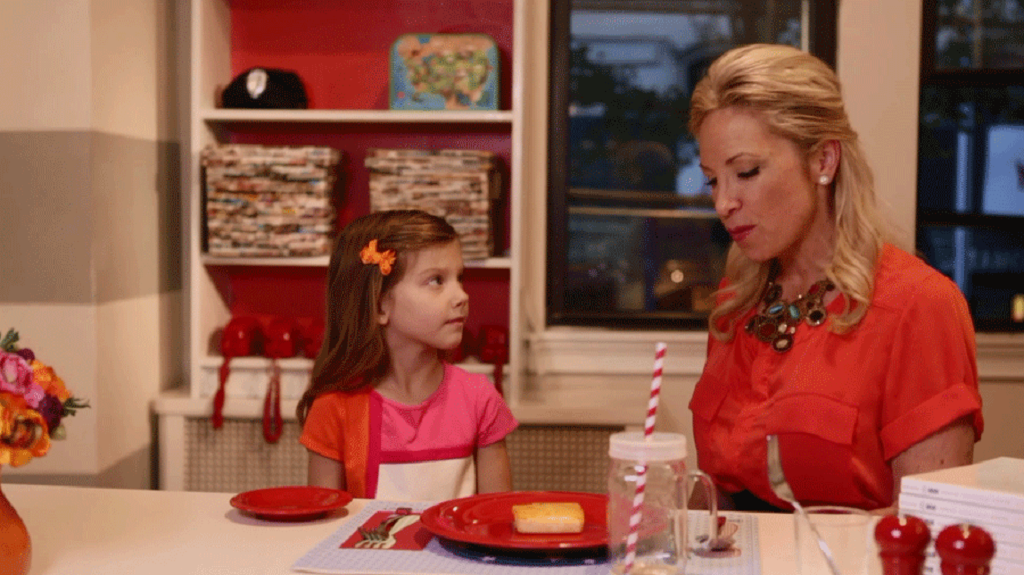
Etiquette coaching helps children handle events
From a first theater outing to dress-up parties to large family dinners, the holiday season brings social situations and etiquette expectations that can trip up children and families.
“Parents assume children know how to handle themselves, but most children haven’t been exposed to formal events on a regular basis,” said Deborah King, owner of Final Touch Finishing School in Des Moines, Iowa.
For example: Children who have only seen movies don’t know most live theater events have intermissions. Some families don’t eat together often, so using good table manners while dining with all the relatives “can become an extremely stressful situation,” King noted.
The key to encouraging polite behavior, experts say, is preparing children ahead of time so they know what to expect. Talk to children through an event’s timeline and practice how to behave.
Rather than lecturing, parents can ask what kids would do in a particular situation or invite them to role-play.
Parents shouldn’t be too hard on children if they make the occasional faux pas. “Sometimes kids freeze up when introduced to adults,” said Barbara Brueske, owner of Etiquette Unlimited in Sammamish, Wash. “They’re not intentionally being rude; they’re just a little shy.”
Then there’s The Kiss that relatives love and kids loathe. “I remember aunts I hadn’t seen very often giving me a big smoochy kiss and pulling my cheeks,” Brueske recalls. “I hated that.”
To avoid an awkward situation, parents can talk to the offending adult beforehand to ward off wet displays of affection.
With children, parents can take two tacks: Either tell them it’s just something to put up with once a year (i.e., don’t wipe the kiss-off afterward) or suggest they deflect politely (“I’m 14 and I hug instead now”).
Here are more common holiday situations and related etiquette tips courtesy of King, Brueske and the book “Elbows Off the Table, Napkin in the Lap, No Video Games During Dinner: The Modern Guide to Teaching Children Good Manners” by Carol Wallace.
Theater etiquette:
For many children, “The Nutcracker” is their first experience with a live performance. A lot of parents call the Pacific Northwest Ballet asking for an age recommendation, said Denise Bolstad, principal of the ballet school. She tells them it depends on the child.
“I’ve seen a 2-year-old sit through it and a 5-year-old who couldn’t deal with it,” said Bolstad of the two-hour ballet, which includes an intermission. For “A Christmas
Carol,” another popular holiday show, A Contemporary Theatre doesn’t allow children younger than age 4 for its 90-minute performances.
If your child can’t sit quietly through a movie, he or she won’t do well at a live performance.
Bolstad recommends that parents read the book to children and perhaps show them a movie version so they understand the plot. Talk about any scary parts. In “The Nutcracker,” the cannons and fight scenes can sometimes frighten very young children.
More tips:
- Tell children in advance that if they have questions or need to speak, they should whisper in your ear or wait until intermission.
- Be considerate of other guests. Take crying children out. Don’t let them wander up and down the aisles or kick the chair in front of them.
- Come early so you have time to stretch after sitting in the car and to go to the bathroom. Move around during intermission.
- Go to matinees, which tend to be more family-friendly.
- If you have small children, order tickets early so you can request an aisle seat in case you need to make an early exit.
- While children should dress up, choose comfortable clothes so they aren’t wriggling because of scratchy new outfits.
Holiday parties:
Going to someone else’s house:
- Make sure children are invited. If an invitation is addressed only to parents, “it’s really out of line to bring the whole family,” King says.
- Children as young as preschool age can learn to shake hands and say hello.
- Remind children that they should speak in soft voices, keep their hands to themselves and not run around other people’s homes. At your house:
- Tell children they are expected to stand up when introduced and greet guests as they arrive.
- Enlist older children’s help by asking them to take drink orders or pass plates of hors d’oeuvres.
- For groups of children, set up a separate kids’ table in the same room as the main table. Decorate it so children feel they are part of a special event. Put teens with the adults, not the little kids.
- Let kids make an appearance and then watch videos or play in a room separate from the adults.
Holiday dinners
- “Children who sit at an adult table are expected to participate in adult conversations and use proper table manners,” King said. Obviously, rules tend to be laxer at children-only tables.
- Before dinner, brush your child up on the basics: Chew with their mouths closed. Don’t start eating until the hostess begins. Sit until everyone is finished. Take what you touch in a buffet line.
- Unless a full, sit-down meal is served, feed kids a large, healthful snack in advance. That way, they won’t be grouchy from hunger or fill up on too much junk and sugar.
- Tell children they can politely say “No, thank you” if offered a dish they don’t want. If plates are served with food on them, remind younger children not to say “Yuck!” or make faces and to take a sample bite of unfamiliar foods.
Giving and getting gifts
- Encourage children to think about gifts to give. They don’t have to spend a lot of money. One child, for example, taped himself playing a song on an instrument and sent it to his grandparents.
- After opening a gift, children should smile and say “Thank you.” “If they just plow through gifts, there’s no development of gratitude,” King said. “All gifts should be opened up as if children were only receiving this one gift and it is of great importance.”
- If children dislike a gift, they don’t need to lie and say they do. They should still thank the giver for thinking of them. Or they can focus on something they like about a gift (color, softness).
- If a gift is wrong size or a duplicate, tell the child to say nothing about it then. Later, parents can decide whether to approach the giver about exchanging it.
Thank-you notes
- Write notes by hand on nice stationery or cards. Send them within a week of the holidays.
- Encourage children to say why they liked the present or explain what they will do with money. Older children can write a longer note. Even young children can draw a picture and dictate a message to Mom or Dad.
- Invite your child’s friend over, serve cookies and provide materials to decorate cards. Treat it as a craft project instead of a chore.



Leave a Reply