

Radon is a silent, invisible, and odorless radioactive gas that seeps into homes from underground. According to the EPA, radon is the second leading cause of lung cancer, responsible for about 21,000 deaths annually in the U.S. Basements are particularly vulnerable due to their direct contact with soil, allowing radon to accumulate at dangerous levels. Without proper mitigation, homeowners risk long-term exposure to this hazardous gas.
Why Testing for Radon in Basements is Critical
Radon testing is the only way to determine if your basement has unsafe radon levels. The EPA recommends testing every home, regardless of location. Homes with radon levels above 4.0 pCi/L require mitigation. There are two primary testing methods:
- Short-term tests: Provide results in 2-7 days and are ideal for initial screening.
- Long-term tests: Measure radon over 90 days, offering more accurate seasonal averages.
A study by the American Lung Association found that 1 in 15 homes in the U.S. has elevated radon levels. DIY test kits are affordable, but professional radon testing provides the most accurate results.
Effective Radon Mitigation Systems for Basements
Once radon levels exceed safety limits, a mitigation system is essential. Here are the most effective solutions:
1. Sub-Slab Depressurization (SSD)
The most common and effective mitigation method, SSD involves installing a vent pipe beneath the basement slab, connected to a fan that expels radon outside. Studies show SSD can reduce radon levels by up to 99%.
2. Sump Pump Radon Sealing
If your basement has a sump pump, radon can enter through the opening. Sealing the sump with an airtight cover and incorporating it into an SSD system can prevent radon infiltration.
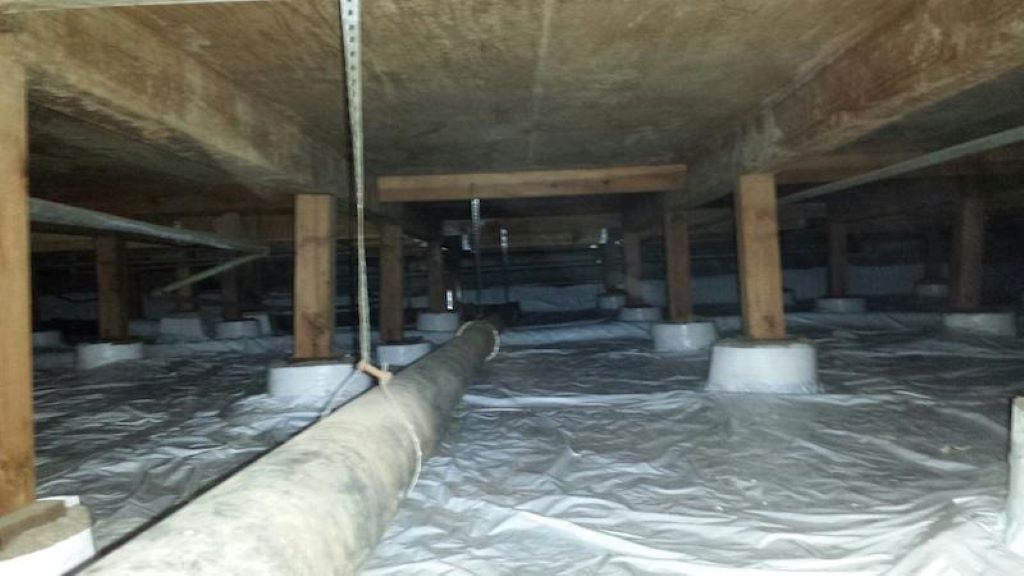
3. Crawl Space Encapsulation
For homes with crawl spaces, a reinforced vapor barrier combined with ventilation prevents radon from seeping inside. Research from the National Radon Program suggests this method can lower radon levels significantly.
4. Heat Recovery Ventilation (HRV)
HRV systems improve airflow and help reduce radon by diluting indoor air with fresh outdoor air. While not as effective as SSD, it works well for homes with moderate radon levels.
Costs and ROI of Radon Mitigation
The average cost of installing a radon mitigation system ranges from $800 to $2,500, depending on home size and complexity. While this may seem expensive, the long-term health benefits and increased property value outweigh the cost. Homebuyers often negotiate radon mitigation, making it a worthwhile investment.
Professional vs. DIY Radon Mitigation: What’s Best?
DIY radon mitigation may seem cost-effective, but improper installation can lead to ineffective results. Professional installers ensure compliance with EPA guidelines and guarantee effectiveness. According to HomeAdvisor, professional mitigation systems have a 95% success rate in reducing radon levels below 4.0 pCi/L.
Frequently Asked Questions About Radon Mitigation Basements
1. How often should I test my basement for radon?
Test every two years or after major home renovations.
2. Can radon levels fluctuate seasonally?
Yes, levels tend to be higher in winter due to reduced ventilation.
3. Are newer homes safe from radon?
No, radon can enter any home regardless of age or construction type.
4. Does sealing cracks in the basement help?
Sealing helps but is not a standalone solution. A proper mitigation system is required.
5. Is radon only a problem in certain states?
No, radon is found nationwide. Check EPA radon maps for risk areas.
6. How long does radon mitigation take?
Most systems can be installed within one day.
7. Will radon mitigation increase my energy bills?
Minimal impact; fans typically cost less than $10/month to operate.
Final Thoughts
Radon mitigation in basements is not optional—it’s a necessity for health and safety. Regular testing, professional mitigation, and proper system maintenance ensure long-term protection against this deadly gas. Protect your home and loved ones by taking action today.
Read More: Most Popular Home Improvements


Leave a Reply