
If you are trying to work out how long an inspection will take to allow for staff to be covered or for plant to be taken out of service then the answer is ‘it depends’. The following gives an approximate time for each type of equipment that is to be inspected.
Typical Times For Common Equipment
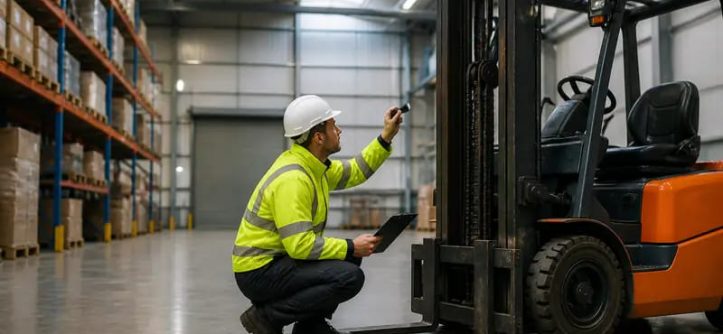
Typical time for an inspection – A single hoist or sling can take around 20-40 minutes to inspect, depending on how accessible it is and whether all the necessary documentation is in place. Passenger lifts are likely to take the longest time to inspect, around 1-2 hours, as there is more to check, including the lift’s mechanism and safety devices. A forklift or MEWPs typically take around 45-60 minutes to inspect. Overhead gantry cranes are likely to be the most time consuming to inspect, taking half a day or more to complete as they are typically located at height and have multiple load bearing components that need to be inspected.
Equipment Type Changes The Clock
Simple items, such as slings or chain blocks, can be examined quite quickly. These items typically have few moving parts. Items that have motors, electrics or hydraulics will take longer to examine, as the engineer will run the item through its various operations, in addition to a visual examination of the item. A passenger lift with complex control panels will normally take longer to examine than a simple manual hoist.
Multiple Items On One Site
It’s also worth noting that it is more cost effective to book multiple items for inspection at the same time. This is often referred to as a ‘batch visit’. For example, if you have 10 slings and 2 hoists then these can all be booked for a single visit, saving time for the engineer and therefore saving you money. A mixed fleet of equipment would typically take half a day to inspect. For example, a forklift, 3 slings and 1 hoist would take around half a day to complete the inspection of all the items.
How Access Affects Duration
Storing equipment at height or in very confined spaces will, by their nature, take longer to inspect than equipment stored on ground level. Equipment that needs to be isolated prior to inspection will also increase the time taken for the inspection to commence. Hoists stored on mezzanine floors will require lowering prior to commencement of the inspection. Lifts will require powering down prior to commencement of the inspection. By ensuring that equipment is stored in easy reach prior to the engineers visit, will ensure that the inspection proceeds smoothly and on time. For LOLER Inspections, see https://mid-westcare.co.uk/services/loler-inspections/.
First Inspections Take Longer
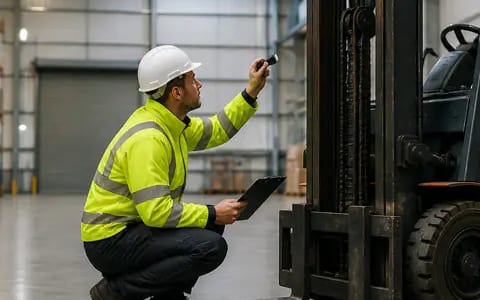
First inspections typically take a lot longer for obvious reasons. There is no previous history to refer to, therefore the inspector has to build up a picture of the equipment and associated documentation from scratch. This includes checking the manufacturer’s information, cross referencing the equipment with its associated documentation and recording initial readings for future reference. Subsequent inspections of the same equipment will be significantly quicker as the inspector will have a good understanding of what to expect in terms of normal wear and tear.
Paperwork And Certification
It is important to remember that, once the examination has been conducted, the engineer will then produce a written report detailing his findings. This could take a further 10 – 15 minutes to complete for each piece of equipment and then discussions with personnel responsible for the equipment would be required for any faults found. This can be significant especially if faults are found that need to be dealt with urgently.
When A Defect Turns Up
As with any job though, if a defect is found then this needs to be documented immediately and the item in question may need to be taken out of service depending on the severity of the defect. Time will then be spent documenting the fault and discussing with the responsible person(s) for the equipment what action needs to be taken. This can often end up taking the rest of the allocated time for that item and can affect the rest of the day’s schedule.
Minimising Disruption On The Day
Make equipment accessible before the LOLER engineer arrives to ensure the smooth running of his inspection. If possible, have the operator(s) of the lifting equipment on site during the inspection and allow them to demonstrate the various parts of the equipment’s operation as required by the engineer. A competent and organised site can expect to complete all their required lifting equipment inspections within a morning.
By understanding roughly how long each type of examination will take it is possible to more effectively plan for staff to be off site and manage the day effectively.



Leave a Reply