
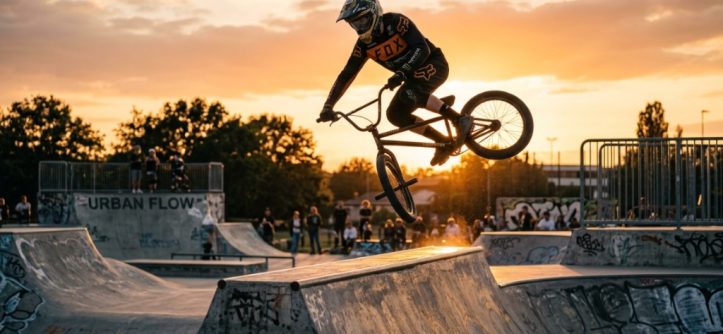
Choosing a professional-level BMX bike isn’t just about picking the flashiest color or the priciest model on the rack. If you are serious about racing, park riding, or street progression, the bike you ride must match your discipline, body geometry, and riding style. The market has evolved significantly, with lighter materials and geometry tweaks that make the professional BMX bike 2026 landscape more specialized than ever. Whether you are upgrading from a model or building a fresh setup, this guide will walk you through the critical decisions you need to make.
Key Takeaways
- Selecting a professional BMX bike requires matching the geometry and frame material to your specific discipline—race, park, street, or flatland—rather than just looking at weight.
- Top Tube Length is the most critical sizing metric; choosing the wrong length will compromise your control and comfort regardless of component quality.
- Aftermarket parts and specific brands often matter more than full bike builds; you may need to budget for immediate customizations to achieve true pro-level performance.
- Cassette hubs and sealed bearings are non-negotiable for professional reliability, durability, and consistent performance during high-impact sessions.
- For 2026, pay close attention to tire clearance and frame standover height, as modern pro frames are trending towards shorter chainstays for better maneuverability.
Understanding Your BMX Discipline
The first question you must answer is not “which bike is the best,” but rather “where will I ride?” Professional BMX splits into distinct categories, and a top-tier race bike will feel sluggish and awkward in a skatepark, while a street bike will be too heavy and cumbersome for the starting gate.
For Race, the focus is on lightweight, aerodynamic geometry, and efficient pedaling. Race frames often have longer top tubes and steeper head angles for stability at speed. For Park and Street, the priority shifts to durability, shorter chainstays for manualing and spinning, and a heftier build to handle drops and grinds. Flatland requires very specific geometry, usually with pegs and gyros, which is a niche you will rarely find in a complete “off-the-shelf” pro bike. Determine your primary usage first; this decision filters out 90% of the wrong options immediately.
Race vs. Freestyle: Key Geometry Differences
Race bikes utilize 20-inch wheels but often feature a longer wheelbase and a higher bottom bracket height. This allows for better pedaling clearance through banked turns. Freestyle bikes, conversely, sit lower to the ground with a lower bottom bracket to keep your center of gravity stable during tail whips and airs. If you are looking for a do-it-all machine, be aware that compromises are inevitable. A dedicated race machine will not bail you out when you land awkwardly in a concrete bowl; its lighter frame might flex or crack under that stress. Conversely, a freestyle bike will never win you a sprint in the pro section.
Frame Material and Construction
The frame is the heart of any professional BMX bike 2026. You are looking at two main materials when you step up to the pro level: Chromoly (CrMo) and high-tensile steel. While high-tensile steel is common on entry-level bikes, we strongly advise avoiding it for professional use. It is significantly heavier and less durable—it bends rather than flexes.
Chromoly frames are the industry standard for professionals. Specifically, you want a frame with a heat-treated Chromoly main triangle (top tube, down tube, seat tube). High-end models may feature full Chromoly construction, including the rear stays, which increases responsiveness and absorbs high-frequency vibration from the ground. In 2026, we are seeing a resurgence in lighter-gauge tubing (like Sanko or Tange Prestige) that offers a higher strength-to-weight ratio without sacrificing durability. Check the sticker or the spec sheet: if it says “Hi-Ten” anywhere, it is not a professional spec.
How to Choose the Correct Frame Size
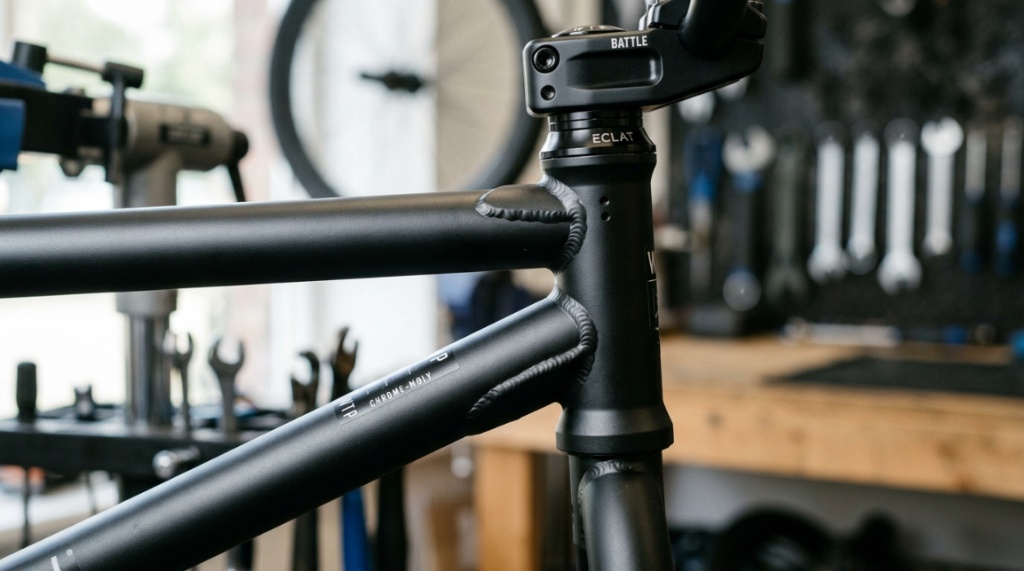
This is the most frequent mistake riders make when selecting a professional BMX bike 2026. Do not rely on the size of the wheels (which are universally 20 inches for freestyle) to determine fit. Instead, you must look at the Top Tube Length (measured in inches). This measurement dictates how far you have to reach and how much room you have between your knees and the bars when standing.
- Top Tube 20″–20.5″: Ideal for riders under 5’4″ or those who prefer a twitchy, nimble feel for technical street riding.
- Top Tube 20.75″–21″: The sweet spot for riders between 5’7″ and 5’10”. This is the industry standard for average professional riders.
- Top Tube 21″–21.5″: Designed for riders above 6’0″ or those racing who need a longer cockpit for stability at high speeds.
Do not buy a longer frame hoping to “grow into it.” If the frame is too long, you will naturally shift your weight forward, putting excessive pressure on the bars and making it difficult to lift the front wheel. If it is too short, your knees may hit the bars during aggressive cranking. Stand over the bike and ensure there is at least an inch of clearance between your body and the top tube.
Wheels, Hubs, and Tires
Wheels take the hardest beating on any BMX bike. Professionally, you need wheels that can withstand lateral twisting (from grinds and landers) without buckling.
Cassette vs. Freecoaster
For the drivetrain, you have two choices: Cassette or Freecoaster. A Cassette hub engages instantly when you pedal forward and allows you to pedal backward while moving. It is responsive and reliable—the go-to for racing and park riding. A Freecoaster hub allows the bike to roll forward while the cranks remain stationary. This is essential for advanced street tricks like fakie manuals and half-cabs, as it eliminates the “kickback” in the pedals when rolling backward. For 2026, if you are a street rider wanting to progress into tech tricks, a Freecoaster is the professional choice. If you are racing, stick to a cassette.
Tire Selection
Ignore the “one-size-fits-all” tire that comes stock on many completes. Look at the tread. For park and concrete, a slick or semi-slick tire with a smoother center tread offers less rolling resistance and smoother slides on wood. For street/grinds, you want a tire with a harder durometer (rubber density) to prevent flat spots. The standard width is 2.3″ to 2.4″, which provides a good balance between grip and weight. Heavier tires act as a shock absorber, which is beneficial for landing big drops in the park.
Prototype vs. Complete Builds: Where to Spend Your Money
There is a significant difference between a bike that looks professional and one that performs professionally. In the BMX world, “complete bikes” are often high-end, but you usually have to spend money immediately on specific parts to bring them up to your personal spec.
When budgeting for your purchase, allocate funds for potential upgrades. The bars are often the first weak point; ensure they are aftermarket Chromoly, not just “BMX-style” steel. Similarly, pedals are often plastic on completes. Plastic is fine for casual riding, but for pro-level grip, you will likely swap those out for a sealed bearing metal or nylon composite pedal with replaceable pins. Fenders and pegs are always sold separately—factor in those costs if you ride street.
Headset and Bottom Bracket Integrity
If the bike uses “integrated” or “mid” bottom brackets and headsets, you are on the right track. These are the industry standards for 2026. They allow for easier maintenance and are the only types you will find on professional aftermarket frames. If the spec sheet mentions a “loose-ball” or “American” bottom bracket, the bike is using outdated technology that is prone to failure under heavy load. Professional bikes use sealed bearings that push into the frame (Mid) or are integrated into the frame cavities (Integrated).
Brakes: Gyro vs. Straight Cable
The braking system is a major decision point in 2026. Race bikes use a simple linear-pull brake with a straight direct cable. This provides the most powerful stopping force to slow you down before corners. However, if you plan to spin your bars (barspins) or tailwhip, you need a Gyro (detangler) system or no brakes at all.
Many professional street riders run brake-less—but this is a safety decision we cannot recommend for beginners. If you want to run brakes but still do barspins, look for a bike that comes pre-drilled for a Gyro. This allows the brake cable to spin 360 degrees without tangling. Professional builds often come with the gyro tabs already welded on, but the kit itself is usually an add-on, To make the best purchase decision for your cycling needs, check out our guide on How to Evaluate Mountain Bike Performance Before You Buy
Critical Mistakes to Avoid
Many riders waste money on their first pro bike because they focus on aesthetics or brand names. Here are the most common pitfalls in the market right now:
- Ignoring Head Tube Angle: A head angle that is too slack (74.5 degrees or lower) makes the bike feel lazy for park tricks. A steeper angle (75 degrees) is snappier for racing gates. Choose based on your terrain.
- Over-Weighting the Crank: Do not buy extra-long cranks (175mm or longer) just because they look aggressive. If you are under 5’8″, 170mm cranks are often more effective for spinning faster in race scenarios.
- Neglecting Sprocket Size: A huge 30T sprocket on the front will give you high speed but terrible acceleration. Professionals often run a 25T sprocket paired with a 9T driver on the hub—this is the “micro-drive” standard for 2026 that keeps the weight low and reduces the likelihood of snagging on obstacles.
- Forgetting Peg Mounts: Ensure the frame has four hollow axle pegs mounts if you plan to slide on rails. Many frames only have two or none.
Frequently Asked Questions
How much should I spend on a professional BMX bike 2026?
Plan to invest between $600 and $1,500 for a quality complete bike. If you are building from a custom frame, expect that number to rise to $2,000 or more. If you find a bike under $500, it is almost certainly using high-tensile steel and non-sealed bearings, which will not survive professional use.
Can I use a professional BMX bike for commuting?
Yes, but it will be uncomfortable. BMX bikes are designed for explosive movements, not prolonged sitting. The top tube is short, and the gearing is low (fast acceleration, slow top speed). If commuting is your primary goal, you need a different type of bike.
Are lighter bikes always better for pros?
Not in freestyle. A lighter bike is harder to “throw around” in the air because it carries less angular momentum. Race bikes prioritize weight above all, but street and park bikes prioritize strength and durability. Aim for a bike around 22 to 25 pounds for freestyle; anything under that may be too fragile.
Is a 24-inch wheel BMX better for taller riders?
Only if you are specifically riding “Cruiser” class in racing. In freestyle, 20 inches is the standard even for professionals over 6 feet tall. The geometry and top tube length are what create the fit, not the wheel size.
How often should I replace the chain and sprocket?
If you ride 2-3 times a week, inspect the chain monthly for “stretch” (elongation). A professional-grade KMC or Shadow chain lasts a few months. Replace the sprocket when the teeth start to look like shark fins. A worn sprocket will destroy a new chain within hours.
Conclusion
Selecting your professional BMX bike 2026 is a personal journey that hinges on your goals and your body. Do not let a marketing team dictate your geometry. Remember to prioritize the Top Tube length, demand Chromoly frames with sealed bearings, and make your drivetrain choice (Cassette vs. Freecoaster) based on the tricks you plan to land, not the trend of the moment. By focusing on these mechanical specifics rather than the paint job, you will ensure your new bike is a partner in your progression, not a limiting factor.


Leave a Reply