
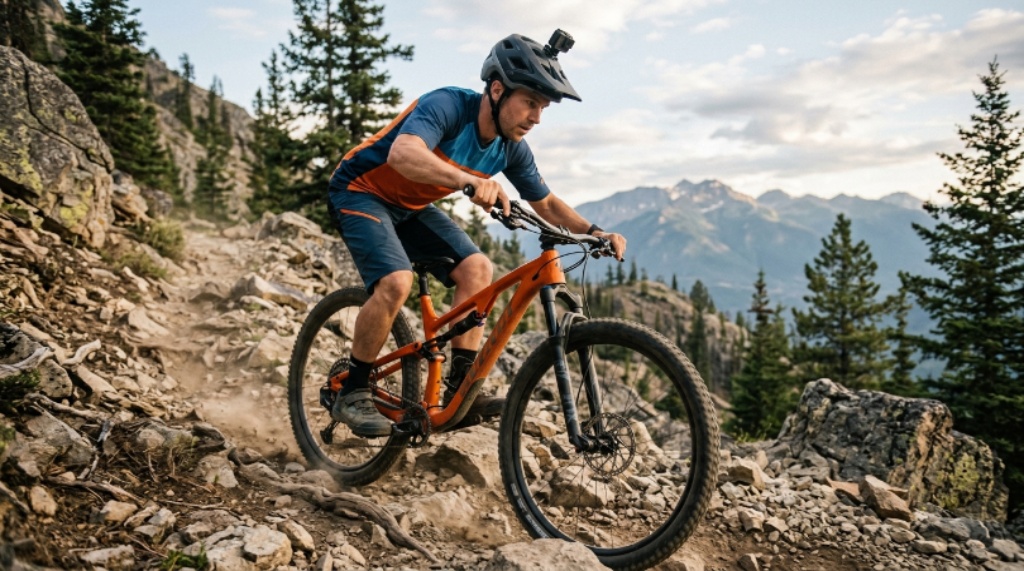
Buying a mountain bike is a big decision. You want a ride that handles well, feels safe, and holds up over time. However, with so many models and price points available, it can be hard to know where to start. The good news is that you do not need to be an expert to make a smart choice. You just need to know what to look for. This guide walks you through the key performance factors to check before you commit to a purchase.
Why Performance Testing Matters Before You Buy
A bike may look great in the store, but looks do not always reflect real-world performance. Therefore, testing a bike before buying is one of the smartest things you can do. Many shops offer demo rides, and some brands host test events. Take advantage of these opportunities. A short ride can reveal a lot about how a bike handles weight shifts, rough surfaces, and steep descents.
Additionally, understanding what each component does will help you ask better questions. You will be able to tell the difference between a bike that suits your style and one that simply fits your budget.
Understanding the Frame and Suspension
The frame is the backbone of any mountain bike. It affects how the bike absorbs bumps, transfers power, and handles corners. Aluminum frames are light and affordable. Carbon frames are stiffer and even lighter, though more expensive. Steel offers a smooth ride but adds weight.
Suspension is equally important. Hardtail bikes have front suspension only. Full-suspension bikes have both front and rear. For rough terrain, full suspension offers more comfort and control. However, hardtails are often better for climbing because they lose less energy through the rear linkage.
When testing a bike, pay attention to how the suspension feels over roots and rocks. It should feel controlled, not bouncy or harsh. If the suspension bottoms out quickly or feels stiff, it may need adjustment or may not be suited to your weight and riding style.
Checking Gear Shifting Performance
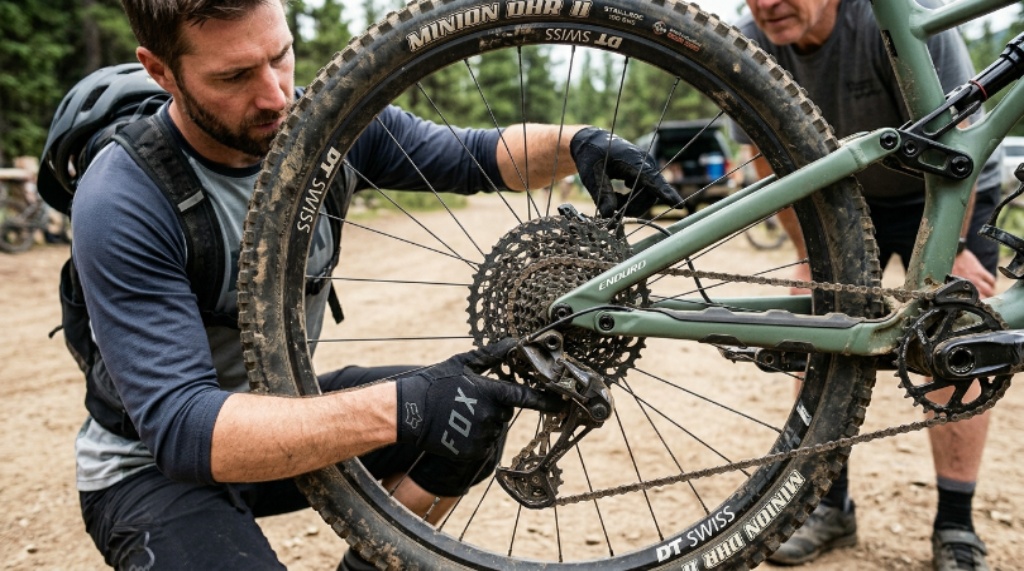
Smooth and reliable gear changes can make or break a ride. Gear shifting performance is one of the first things to evaluate on any test ride. Shift through every gear, both up and down, while pedaling at a steady pace. The changes should feel crisp and instant. Hesitation, noise, or skipping are signs of poor adjustment or low-quality components.
Pay close attention to the drivetrain. Higher-end groupsets from brands like Shimano and SRAM offer faster, more consistent shifts. Entry-level groupsets can still be reliable, but they may require more frequent tuning. Additionally, consider whether the bike uses a 1x, 2x, or 3x drivetrain. A 1x system has one front chainring and is simpler to use. A 2x or 3x gives you more gear range, which can be useful on mixed terrain.
Also check the shifter ergonomics. The levers should feel natural under your fingers. You should be able to shift without moving your hands off the grips.
Evaluating Braking Systems
Stopping power is a safety issue, not just a performance one. Modern mountain bikes use either mechanical or hydraulic disc brakes. Hydraulic disc brakes offer more consistent power and require less hand effort. Mechanical disc brakes are easier to maintain at home but may feel less responsive.
When testing braking systems, squeeze each lever firmly at low speed. The bike should slow down quickly without the lever pulling all the way to the handlebar. Also check for any squealing or vibration. Some noise is normal during break-in, but persistent squealing can point to contaminated pads or misaligned calipers.
Furthermore, test the brakes on a gentle slope. Good brakes should modulate well, meaning you can control the stopping force gradually rather than locking up the wheels. This is especially important on loose or wet trails where sudden wheel lockup can cause a crash.
Trail Riding Tips to Assess Real-World Handling
The best way to judge a bike is to put it on actual terrain. These trail riding tips can help you get the most useful feedback during a test ride. First, find a trail with a mix of flat sections, climbs, and descents. This gives you a complete picture of how the bike behaves across different conditions.
On the climbs, notice how the bike tracks. Does the front wheel stay planted, or does it lift easily? On descents, feel how the bike corners and how stable it feels at speed. A good trail bike should inspire confidence without feeling sluggish. Additionally, pay attention to how the bike responds when you shift your weight forward and back. This is a key part of trail riding, and a well-designed bike will feel balanced in both positions.
Finally, ride over a few bumps or roots at a comfortable speed. The bike should absorb the impact smoothly. If it feels like every root is trying to knock the wheel off course, the geometry or suspension may not be right for you.
Geometry and Fit
Geometry affects how a bike handles more than most riders realize. A longer reach puts you in a lower, more aggressive position, which is better for fast descents. A shorter reach is more upright and comfortable for casual rides. The head tube angle also matters. A slacker angle offers more stability at speed. A steeper angle makes the bike more responsive on tight turns.
However, fit is personal. The best geometry for someone else may not work for you. Always adjust the saddle height before your test ride. Your leg should have a slight bend at the bottom of the pedal stroke. If the bike does not fit well with a few basic adjustments, it is not the right bike for you.
Wheel Size and Tires
Mountain bikes typically come with 27.5-inch or 29-inch wheels. Larger wheels roll over obstacles more easily and maintain speed better on long trails. Smaller wheels are more nimble and easier to maneuver in tight spots.
Tires also affect grip and rolling resistance. Wide, aggressive tires with deep knobs are great for mud and loose terrain. Smoother, faster-rolling tires work better on hard-packed trails. Check the tire width and tread pattern before you buy. Also ask whether the bike is set up tubeless. Tubeless tires run at lower pressure, which improves grip and reduces the risk of flats.
Conclusion
Evaluating a mountain bike before buying takes a little time, but it is absolutely worth it. Start with the frame and suspension to ensure the bike can handle the terrain you plan to ride. Test gear shifting performance carefully by running through every gear on a steady ride. Examine the braking systems to confirm they offer consistent, controllable stopping power. Use these trail riding tips during a test ride to assess how the bike really feels on the ground. Finally, check the geometry, fit, wheel size, and tires to ensure everything matches your body and riding goals. A well-chosen bike will reward you with years of confident, enjoyable riding.
Frequently Asked Questions
What is the most important factor to check when buying a mountain bike?
The most important factor depends on how you plan to ride. However, most experts agree that frame fit and suspension quality should be at the top of your list. A bike that does not fit you well or cannot handle your local terrain will always feel frustrating, no matter how good the other components are.
How do I know if a bike’s braking systems are good quality?
Look for hydraulic disc brakes from well-known brands like Shimano, SRAM, or Magura. During a test ride, squeeze the levers at moderate speed and see how quickly and smoothly the bike stops. The lever should not pull all the way to the bar. If stopping feels weak or jerky, the brakes may need adjustment or may be low quality.
Should I follow trail riding tips even on a short test ride?
Yes, absolutely. Even a ten-minute ride on a mixed trail can tell you a lot. Try climbing, descending, and cornering. Shift through all the gears and test the brakes on a gentle slope. The more varied the test, the better your assessment will be.
Is gear shifting performance different between 1x and 2x drivetrains?
Yes, it is. A 1x drivetrain is simpler and easier to manage on the trail since you only have one shifter. A 2x gives you more gear combinations, which can be helpful for long climbs or fast descents. The right choice depends on where and how you ride. Both can offer excellent shift quality if they use quality components.
What wheel size is best for trail riding?
For most trail riders, 29-inch wheels are a popular choice because they roll over roots and rocks more easily and hold speed well. However, 27.5-inch wheels feel more playful and responsive in tight, technical terrain. If possible, test both sizes before deciding. Your height can also play a role, as taller riders often prefer the fit and feel of 29-inch wheels.
Related Topics:
Why is Bmx So Popular: Unveiling the Irresistible Allure of BMX
The Ultimate Guide to Recumbent Bike Ergonomics for Back Pain Relief



Leave a Reply