
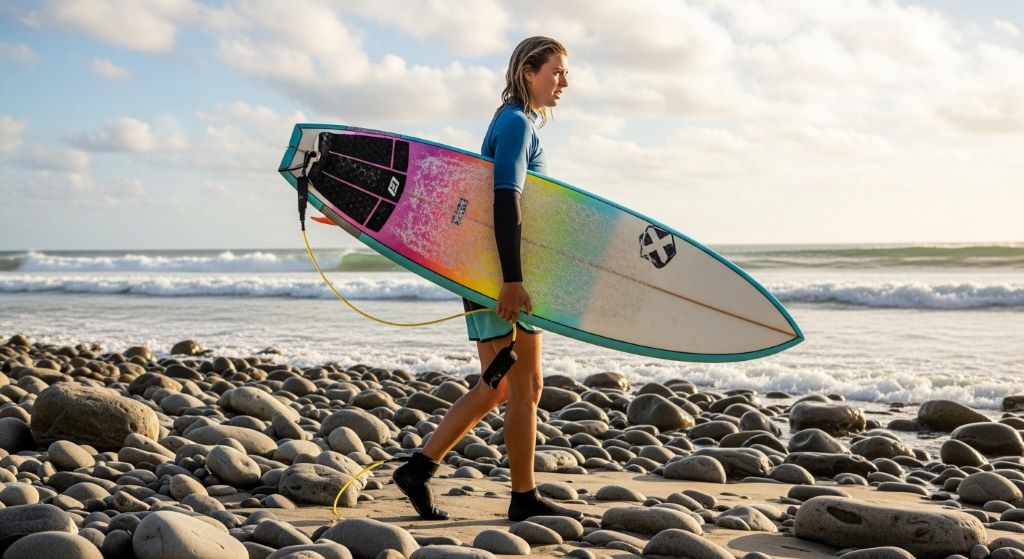
Starting your surfing journey can feel overwhelming with so much equipment to consider. From boards to wetsuits, leashes to wax, the list seems endless. However, one often overlooked piece of gear can make or break your early surfing experiences: water shoes. These protective essentials help beginners navigate rocky beaches, avoid painful reef cuts, and maintain confidence while learning.
Many newcomers focus entirely on selecting the perfect surfboard while ignoring their feet. This oversight leads to uncomfortable sessions, preventable injuries, and sometimes even giving up on surfing altogether. Understanding how to protect your feet properly sets the foundation for a successful and enjoyable surfing experience.
This comprehensive guide will walk you through everything you need to know about choosing water shoes as part of your beginner setup. Additionally, we’ll cover other essential equipment considerations to help you start surfing safely and confidently. By the end, you’ll understand exactly what to look for and why proper footwear matters more than most beginners realize.
Why Water Shoes Matter for Beginning Surfers
Your feet endure significant stress during surfing. They grip the board, push off from rocks, navigate sharp coral, and absorb impact when you wipe out. Without proper protection, you’re vulnerable to cuts, scrapes, sea urchin stings, and infections that can sideline you for weeks.
Reef cuts are particularly problematic. Even shallow coral can cause deep wounds that heal slowly due to bacteria in ocean water. These injuries often become infected, requiring medical attention and time away from the water. A quality pair of water shoes prevents most of these issues entirely.
Moreover, confidence plays a crucial role in learning to surf. When you’re worried about hurting your feet, you can’t focus on technique, timing, or wave reading. Water shoes eliminate this distraction, allowing you to concentrate on developing your skills rather than avoiding hazards.
Temperature regulation is another important factor. Cold water numbs your feet, reducing sensation and making it harder to feel your board. Conversely, hot sand and sun-baked rocks can burn your soles between sessions. Proper footwear addresses both extremes, keeping you comfortable throughout the day.
Essential Features in Surf Water Shoes
Not all water shoes are created equal. Surfing demands specific features that distinguish surf-appropriate footwear from generic water shoes or beach sandals. Understanding these requirements helps you make an informed purchase.
The sole needs sufficient flexibility to allow you to feel the board beneath your feet. Thick, rigid soles interfere with your ability to maintain balance and respond to the board’s movements. Look for shoes with thin, flexible soles that bend easily yet still provide protection from sharp objects.
Drainage is absolutely critical. Water accumulates in your shoes constantly while surfing. Without proper drainage, your shoes become heavy, uncomfortable, and can even create suction that pulls them off your feet. Quality surf shoes feature multiple drainage holes and mesh panels that allow water to flow through freely.
Secure fit prevents your shoes from slipping off during wipeouts or when paddling through waves. Adjustable straps, elastic closures, or neoprene uppers that conform to your foot shape all contribute to keeping your shoes firmly in place. Nothing is more frustrating than losing a shoe in the surf zone.
Toe protection shields your most vulnerable digits from impact and abrasion. Reinforced toe caps or closed-toe designs provide this protection without sacrificing flexibility. Open-toe designs might feel more natural initially but offer inadequate protection for beginners navigating unfamiliar breaks.
Grip on the sole matters both in and out of water. You need traction on wet surfaces when walking to the beach and sufficient grip on your board’s wax. Look for rubber compounds specifically designed for wet conditions with patterns that channel water away from contact points.
Different Types of Water Shoes for Surfing
Several categories of water footwear serve surfers, each with distinct advantages and limitations. Knowing the differences helps you choose the right option for your specific needs and surf conditions.
Neoprene booties offer the most protection and warmth. These shoes feature thick neoprene construction similar to wetsuits, often with rubber soles and reinforced stress points. They’re ideal for cold water, rocky entries, and reef breaks. However, they’re warmer than necessary in tropical conditions and can feel bulky for beginners still developing foot sensitivity.
Minimalist water shoes prioritize flexibility and feel over maximum protection. These lightweight options use thin materials and minimal sole thickness, giving you excellent board feel. They work well in warm water with sandy beaches but provide less protection against sharp objects and cold temperatures.
Split-toe designs combine protection with enhanced board feel. The separate big toe improves your connection to the board while the rest of your foot stays protected. Some surfers swear by this design, claiming it offers the best balance between protection and performance.
Hybrid styles attempt to merge the benefits of different designs. They might combine neoprene uppers with minimalist soles or feature removable insoles for temperature adaptability. These versatile options work well if you surf in varying conditions throughout the year.
Sizing and Fit Considerations
Proper fit is non-negotiable for surf footwear. Shoes that are too large slip off easily, while shoes that are too tight restrict circulation and cause cramping. Finding the right size requires understanding how surf shoes should fit differently than regular footwear.
Start by measuring both feet, as many people have slightly different sized feet. Choose sizing based on your larger foot. Most surf shoes run slightly small, so many surfers recommend ordering a half size up from your regular shoe size, especially for neoprene booties that can be snug.
Try shoes on with the socks or wetsuit you’ll wear while surfing. Neoprene can add bulk, affecting how shoes fit. If you plan to wear booties over wetsuit legs, ensure the opening accommodates this overlap without creating uncomfortable pressure points.
Your toes should have slight wiggle room but shouldn’t slide forward when you walk. The heel should stay firmly in place without lifting. Remember that neoprene stretches slightly with use, so new booties that feel quite snug will loosen up after a few sessions.
Walk around in the shoes before committing to a purchase. Flex your feet, stand on your toes, and simulate the movements you’d make while surfing. Pay attention to any rubbing or pressure points, as these will only worsen when wet and exposed to salt water.
Building Your Complete Beginner Surf Kit
Water shoes are just one component of starter surf gear that beginners need. Understanding how all the pieces work together helps you build a functional kit without overspending or buying unnecessary items.
The surfboard is obviously your most important investment. Beginners should start with a soft-top board, also called a foamie. These boards are stable, forgiving, and much safer than hard boards. They’re more buoyant, making it easier to catch waves, and the soft surface reduces injury risk during falls.
A wetsuit keeps you comfortable in cooler water and protects your skin from sun and abrasion. Thickness requirements vary by location and season. Start with a 3/2mm full suit for moderate conditions, which works in most environments except the coldest waters. Women’s surf equipment often features cuts designed for female body shapes, improving comfort and flexibility.
A leash tethers your board to your ankle, preventing it from washing away when you fall. This simple device saves countless swimming sessions and protects other surfers from runaway boards. Choose a leash roughly the same length as your board for optimal performance.
Surf wax provides traction on your board’s deck. Different wax formulas work better in different water temperatures. Apply a base coat of hard wax, then add a top coat suitable for your local water temperature. Proper wax application makes an enormous difference in your ability to maintain foot positioning.
Rash guards protect your torso from board rash and sun exposure. Even under a wetsuit, a rash guard prevents chafing from the neoprene. In warm conditions, you might surf in just a rash guard and board shorts, making sun protection particularly important.
Shopping Smart for Women’s Equipment
Women face unique considerations when selecting surf equipment. Fortunately, manufacturers now offer extensive options designed specifically for female body types and preferences, making it easier than ever to find gear that fits properly and performs well.
Women’s wetsuits feature cuts that accommodate different body proportions. They typically have wider hips, narrower shoulders, and shorter torso lengths compared to men’s suits. Additionally, chest areas are designed for comfort without restricting breathing or paddling movements. These design differences significantly impact comfort during long surf sessions.
Board selection matters too. While surfboards aren’t strictly gendered, many women prefer slightly smaller dimensions due to average height and weight differences. Don’t feel pressured to choose a “women’s board” if it doesn’t suit your needs. The right board depends on your individual size, strength, and skill level.
Many brands now offer women’s water shoes with narrower heel cups and different instep shapes. These modifications prevent slipping and improve overall fit. However, if men’s shoes fit you better, there’s no reason to avoid them. Fit always matters more than marketing categories.
Color and style options have expanded dramatically in recent years. While this might seem superficial, feeling good in your gear boosts confidence, especially when you’re learning something challenging. Choose equipment that makes you excited to surf, whether that means bright colors, subtle designs, or anything in between.
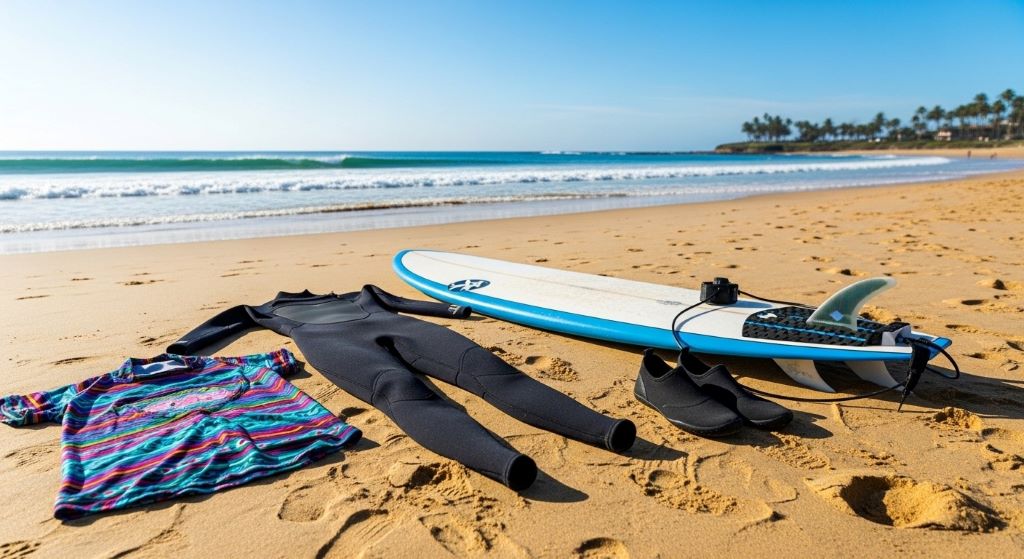
Breaking In New Water Shoes
New water shoes often feel stiff or slightly uncomfortable before they conform to your feet. Properly breaking them in before your first surf session prevents blisters and allows you to focus on surfing rather than foot discomfort.
Wear your new shoes around the house for short periods. This gentle break-in process allows materials to soften and begin molding to your foot shape without the added stress of surfing. Do some light exercises, walk up and down stairs, and practice balancing on one foot.
Soak neoprene booties in warm water before wearing them. This makes the material more pliable and speeds up the conforming process. After soaking, wear them until they dry on your feet for the best custom fit.
Test them in a pool or calm water before hitting the surf. This controlled environment lets you assess fit and comfort without the pressure of catching waves. Make any necessary adjustments to straps or closures before your first real session.
Pay attention to hotspots during initial wears. Any area that feels irritated will likely develop blisters during extended use. Address these issues immediately by adjusting fit, adding moleskin padding, or switching to a different size or style.
Maintenance and Care for Longevity
Proper maintenance extends the life of your water shoes significantly. Salt water, sand, and sun all degrade materials over time, but simple care routines minimize this damage and keep your gear functional for multiple seasons.
Rinse your shoes thoroughly with fresh water after every session. Salt crystals left to dry in the fabric break down materials and cause premature wear. Pay special attention to drainage holes and seams where salt accumulates.
Dry shoes away from direct sunlight. UV rays degrade rubber and neoprene, causing them to become brittle and crack. Hang them in a shaded, well-ventilated area where air can circulate around all surfaces.
Store shoes flat or hanging rather than crumpled in a bag. Creasing weakens materials and can create permanent deformities that affect fit and performance. Give them adequate space in your gear storage area.
Inspect regularly for damage. Check soles for excessive wear, examine seams for separation, and look for holes or tears in the fabric. Catching small issues early often allows for simple repairs before they become major problems requiring replacement.
Apply neoprene conditioner occasionally if you have neoprene booties. This specialized product keeps the material supple and extends its lifespan. Follow manufacturer recommendations for application frequency.
When to Upgrade Your Equipment
As you progress in surfing, your equipment needs evolve. Knowing when to upgrade ensures you’re not held back by gear that no longer matches your skill level.
Water shoes typically need replacement every one to two years of regular use. Worn soles lose grip, degraded materials lose protective qualities, and stretched fabrics lose their secure fit. Don’t wait until your shoes are falling apart to replace them.
Your surfboard needs might change within months of starting. Once you can consistently catch waves and stand up, you’ll likely want a board with better maneuverability. However, don’t rush this transition. Staying on a beginner board longer than you think necessary builds a stronger foundation.
Wetsuits show obvious signs of wear when they need replacement. Thinning neoprene, torn seams, and excessive bagginess all indicate it’s time to upgrade. A wetsuit that doesn’t fit properly or keep you warm diminishes your surf experience.
Consider your surf frequency when timing upgrades. Someone surfing multiple times per week wears out gear faster than occasional weekend surfers. Track your gear’s condition rather than following arbitrary timelines.
Budget-Friendly Approaches for Beginners
Starting surfing doesn’t require spending thousands of dollars. Smart shopping strategies allow you to get quality gear without breaking the bank.
Buy used equipment for items that aren’t safety-critical. Surfboards, especially beginners boards, hold up well and can be found at significant discounts. However, always buy new safety items like leashes, which can fail if degraded.
Shop end-of-season sales for substantial discounts. Surf shops often clear inventory when seasons change, offering 30 to 50 percent off last season’s styles. The previous year’s design typically performs just as well as the latest release.
Start with essential items only. You don’t need every accessory immediately. Focus on board, leash, wax, and appropriate clothing first. Add convenience items like changing mats, board bags, and multiple leashes later as your commitment to surfing solidifies.
Consider package deals from surf shops. Many retailers offer beginner packages that include a board, leash, wax, and sometimes a wetsuit at a bundled price lower than buying items separately. These packages provide everything needed to start surfing immediately.
Join online surfing communities where members often sell gear they’ve outgrown. Facebook groups, Reddit forums, and dedicated surf classifieds connect buyers with local sellers, eliminating shipping costs and allowing you to inspect items before purchasing.
Conclusion
Starting your surfing journey with proper water shoes protects your feet, builds confidence, and allows you to focus on developing skills rather than avoiding injuries. Choosing shoes with appropriate flexibility, drainage, fit, and protection ensures comfort during those crucial early sessions when every detail matters.
Remember that women’s surf equipment and starter surf gear extend well beyond footwear. Building a complete beginner kit with a suitable board, wetsuit, leash, and wax sets you up for success. Each piece plays an important role in your safety, comfort, and enjoyment on the water.
Take time to research, try different options, and invest in quality items that will serve you well as you progress. However, don’t let gear intimidation prevent you from starting. The most important step is getting in the water and beginning your surfing journey.
As you gain experience, you’ll develop preferences and understand which gear works best for your body, surf style, and local conditions. Your initial equipment choices aren’t permanent decisions. They’re stepping stones that get you surfing safely while you discover what the sport means to you and how you want to pursue it.
Frequently Asked Questions
Do I really need water shoes for surfing as a beginner?
While not absolutely mandatory, water shoes are highly recommended for beginners. They protect against cuts from rocks, coral, and shells that are common at many surf breaks. Additionally, they provide confidence when navigating unfamiliar beaches and reef entries. Many experienced surfers who started without water shoes wish they had used them during their learning phase to avoid painful injuries that interrupted their progression.
What’s the difference between water shoes and surf booties?
Surf booties are typically made from thick neoprene similar to wetsuits and provide warmth along with protection. Water shoes are usually lighter, made from synthetic mesh and rubber, focusing on protection and drainage in warm conditions. Beginners in cold water should choose booties, while those in tropical conditions might prefer lightweight water shoes. Consider your local water temperature and the type of beach or reef bottom when deciding.
How much should I spend on my first set of surf gear?
A reasonable budget for complete beginner gear ranges from 400 to 800 dollars. This includes a soft-top surfboard, leash, wax, wetsuit appropriate for your region, and water shoes. You can reduce costs by buying used boards, shopping sales, or purchasing package deals. However, don’t compromise on safety items like leashes. Quality starter surf gear typically lasts one to three years before you’ll want to upgrade based on skill progression.
Can I use regular athletic shoes or water sandals instead of surf-specific shoes?
Regular athletic shoes become waterlogged, heavy, and difficult to swim in if they come off. Water sandals often lack the secure fit needed for surfing and slip off during wipeouts. Surf-specific water shoes feature drainage systems, secure closures designed for wave impacts, and soles optimized for board grip. While you might get away with alternatives briefly, proper surf footwear dramatically improves your experience and safety.
When should I stop wearing water shoes while surfing?
Many surfers eventually transition to surfing barefoot once they’re comfortable with their local breaks and have developed the foot strength and calluses to handle their regular spots. However, there’s no requirement to surf barefoot. Many advanced surfers continue wearing water shoes at rocky or reef breaks regardless of skill level. Let your comfort level, the specific break, and water temperature guide your decision rather than feeling pressured to surf barefoot prematurely.
Related Topics:
How to know when to change the tires on your bicycle?



Leave a Reply