
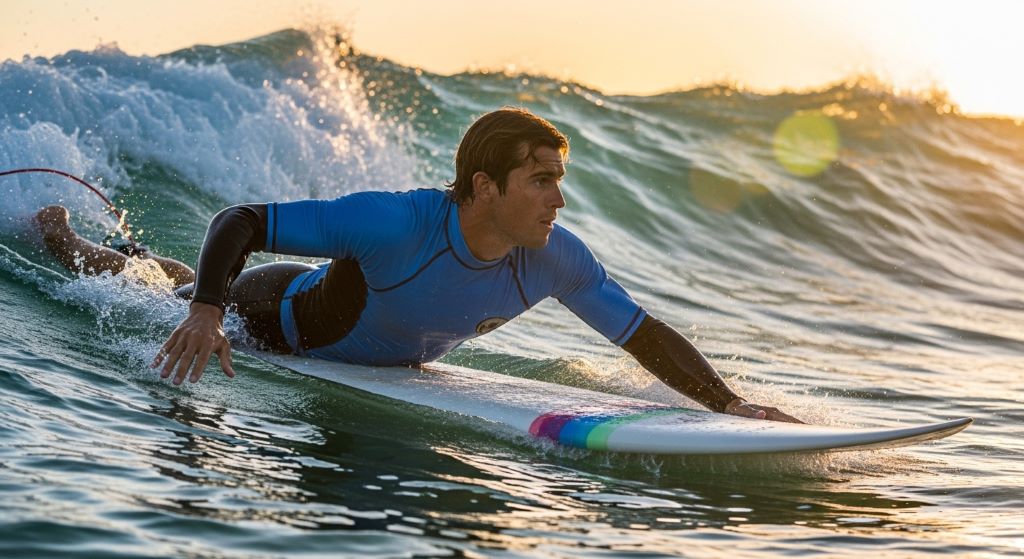
Stepping into the ocean for the first time is exciting. However, without the right gear, it can also be uncomfortable. A rash guard is one of the first pieces of equipment every new surfer should own. It protects your skin, keeps you comfortable in the water, and holds up against the wear and tear of surfing.
But walking into a surf shop or browsing online can feel overwhelming. There are dozens of styles, fabrics, fits, and price points to choose from. This guide breaks it all down in simple terms so you can shop with confidence and find the right rash guard for your needs.
What Is a Rash Guard and Why Do You Need One
A rash guard is a tight-fitting athletic shirt designed for water sports. It was originally created to protect surfers from rashes caused by rubbing against their surfboard. Over time, it became a staple of ocean sports around the world.
Today, rash guards do much more than prevent chafing. They offer UV protection from the sun, keep you warm in cooler water, and provide a layer of coverage that swimwear alone cannot. Therefore, whether you are surfing, paddleboarding, snorkeling, or just spending a long day at the beach, a rash guard earns its place in your bag every time.
Understanding Rash Guard Materials
The fabric a rash guard is made from affects everything. It determines how it fits, how it performs, and how long it lasts. Understanding rash guard materials is one of the most important steps before making a purchase.
Spandex and Lycra Blends
Most rash guards use a combination of polyester and spandex or Lycra. This blend creates a stretchy, form-fitting fabric that moves with your body. It dries quickly after you leave the water, which is a major advantage. Additionally, it resists fading from salt water and chlorine over time.
This material is ideal for warmer water and sunny days. It is lightweight and breathable, making it comfortable to wear for long sessions.
Neoprene
Neoprene is a thicker material most commonly found in wetsuits. Some rash guards use a thin layer of neoprene to add warmth without the bulk of a full wetsuit. These are better suited for cooler conditions.
However, neoprene is less flexible than spandex blends and can feel restrictive for some people. It is also heavier when wet. Therefore, it works best when warmth is your top priority rather than maximum movement.
UPF-Treated Fabrics
Some rash guards are made with fabrics that carry a UPF rating, which stands for Ultraviolet Protection Factor. A UPF 50+ rating blocks more than 98 percent of the sun’s harmful rays. This is especially valuable for surfers who spend long hours in direct sunlight on the water.
Not all rash guards carry a UPF rating, so it is worth checking the product description carefully before buying. If you burn easily or surf in tropical climates, prioritizing UPF protection is a smart move.
Choosing the Right Fit and Style
Fit is just as important as fabric. A rash guard that is too loose will bunch up under your wetsuit or drag in the water. One that is too tight may restrict your paddling motion and feel uncomfortable after an hour in the surf.
Short Sleeve vs. Long Sleeve
Short sleeve rash guards are popular in warm weather. They allow more freedom of movement for your arms while still protecting your torso and shoulders. Many surfers in tropical destinations prefer this style year-round.
Long sleeve rash guards offer more coverage. They protect your arms from sunburn and provide a little extra warmth. Additionally, they offer better protection against jellyfish stings and other minor contact irritations in the ocean. For beginners who are still learning to paddle and spending a lot of time lying on the board, long sleeves can prevent elbow and forearm rashes more effectively.
Front Zip vs. Pull-On
Most rash guards are pull-on styles with no zipper. These are simple, affordable, and widely available. However, some models come with a front or back zip, which makes them easier to put on and take off, especially when wet.
Zip styles are also easier to layer under a wetsuit. Therefore, if you plan to surf in cooler waters and combine your rash guard with a wetsuit, a zip-front option can save you a lot of frustration on the beach.
Sun Protection: A Factor You Cannot Ignore
One of the most practical ocean wear guide principles any surfer should follow is protecting themselves from UV exposure. The sun reflects off the surface of the water, which intensifies its effect on your skin. Sitting on your board between waves means you are exposed for longer than you might realize.
A rash guard with strong UV protection reduces your reliance on sunscreen. Sunscreen can wash off in the water, especially after an hour or more of surfing. Additionally, many reef-safe sunscreen options are less water-resistant than traditional formulas. Pairing a high-UPF rash guard with reef-safe sunscreen on exposed areas gives you reliable all-day protection.
How to Pick the Right Size
Sizing varies between brands, so always check the size chart before ordering online. Rash guards are meant to fit snugly but not painfully tight. You should be able to raise your arms above your head and rotate your shoulders freely.
If you are between sizes, sizing up is usually the safer choice. A slightly looser fit is more comfortable and still provides protection. However, going too large defeats the purpose, as the fabric will bunch and move around in the water.
When trying one on in a store, mimic paddling motions with your arms. This will quickly reveal whether the fit allows full range of motion or whether it pulls and restricts your shoulders.
Surf Gear Tips for First-Time Buyers
Shopping for surf gear the first time can feel like learning a new language. These surf gear tips will help you avoid the most common beginner mistakes.
- Do not buy the cheapest option available. Budget rash guards often use poor-quality stitching that splits after a few sessions.
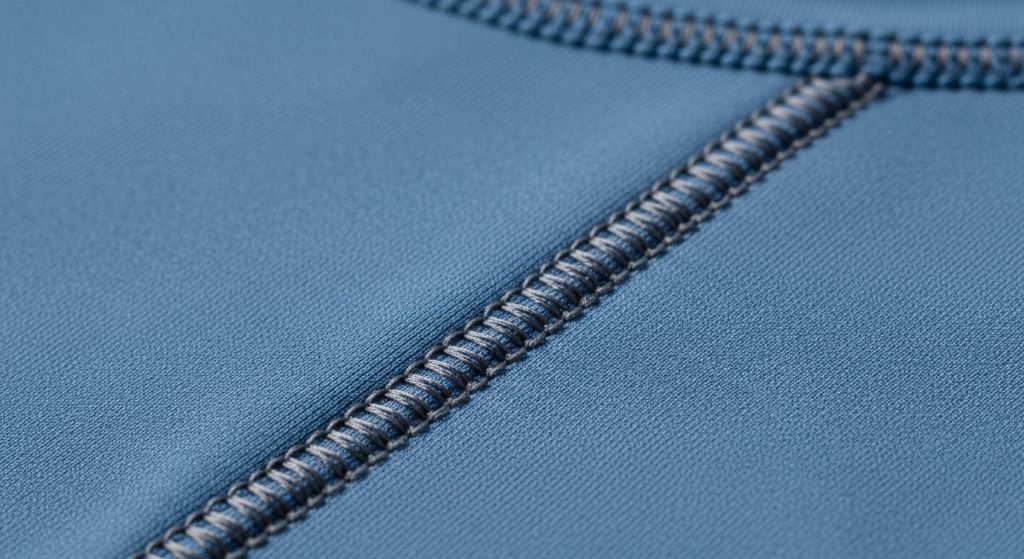
- Check the flatlock seams. These lie flat against the skin and prevent irritation during extended wear.
- Avoid rash guards with heavy graphics or screen prints on the inside. These can cause skin irritation during prolonged use.
- Look for a rash guard with a drawcord or grip panel at the hem. This keeps it from riding up when you paddle or wipe out.
- Read user reviews specifically from surfers, not just casual beach swimmers. Surfing puts more stress on the garment than general water use.
Caring for Your Rash Guard
A well-cared-for rash guard will last for several seasons. The rules are simple but easy to skip when you are tired after a day in the water.
Rinse your rash guard in fresh water immediately after every use. Salt water breaks down fabric over time. Additionally, chlorine from pool sessions accelerates fading and weakens the fibers if left to dry in the fabric.
Hand washing is ideal, but most rash guards can go in the washing machine on a gentle, cold cycle. Avoid hot water, as it can cause shrinkage and weaken the spandex. Always air dry rather than using a machine dryer. Heat destroys elastic fibers quickly and permanently.
How Much Should You Spend
For beginners, a mid-range budget of thirty to sixty dollars will get you a reliable rash guard from a reputable surf brand. Spending less than twenty dollars often means sacrificing quality in the seams and fabric. Spending more than a hundred dollars is generally unnecessary unless you need a premium neoprene model for cold water.
Some well-known brands to look for include Hurley, Quiksilver, Rip Curl, O’Neill, and Patagonia. All of these make beginner-friendly options with solid construction and good UV ratings. Therefore, sticking to established surf labels reduces the risk of buying something that falls apart after a few uses.
Conclusion
Buying your first rash guard does not have to be complicated. Start by understanding the rash guard materials available and match them to the conditions you will be surfing in. Choose a fit that allows full movement without excess fabric. Prioritize UV protection, especially if you plan to surf in sunny climates for extended sessions.
Following reliable surf gear tips early on saves you money, discomfort, and frustration in the long run. Think of a rash guard as an essential piece of kit, not an optional extra. Combined with a practical ocean wear guide approach to caring for your gear, the right rash guard will protect your skin and support your surfing for seasons to come.
Frequently Asked Questions
Can I wear a rash guard instead of sunscreen?
A rash guard with a UPF 50+ rating provides strong sun protection for covered areas. However, you should still apply reef-safe sunscreen to your face, neck, and any exposed skin.
Do rash guards keep you warm in cold water?
Standard spandex rash guards offer minimal warmth. For cold water, look for a neoprene-blend rash guard or pair a regular rash guard under a wetsuit.
How tight should a rash guard fit?
It should fit snugly like a second skin without restricting arm movement. You should be able to lift your arms fully and rotate your shoulders without the fabric pulling or riding up.
Can I use a rash guard for swimming or snorkeling?
Yes. Rash guards work well for any water activity, including swimming, snorkeling, paddleboarding, and kayaking.
How often should I replace my rash guard?
With proper care, a good rash guard can last two to three years. Signs it needs replacing include thinning fabric, stretched-out seams, or significant fading that indicates UV protection has diminished.
Related Topics:
Lake Tahoe Beaches: an incredible emerald lake
How to Choose Beginner Surf Gear: Start With the Right Water Shoes




Leave a Reply