
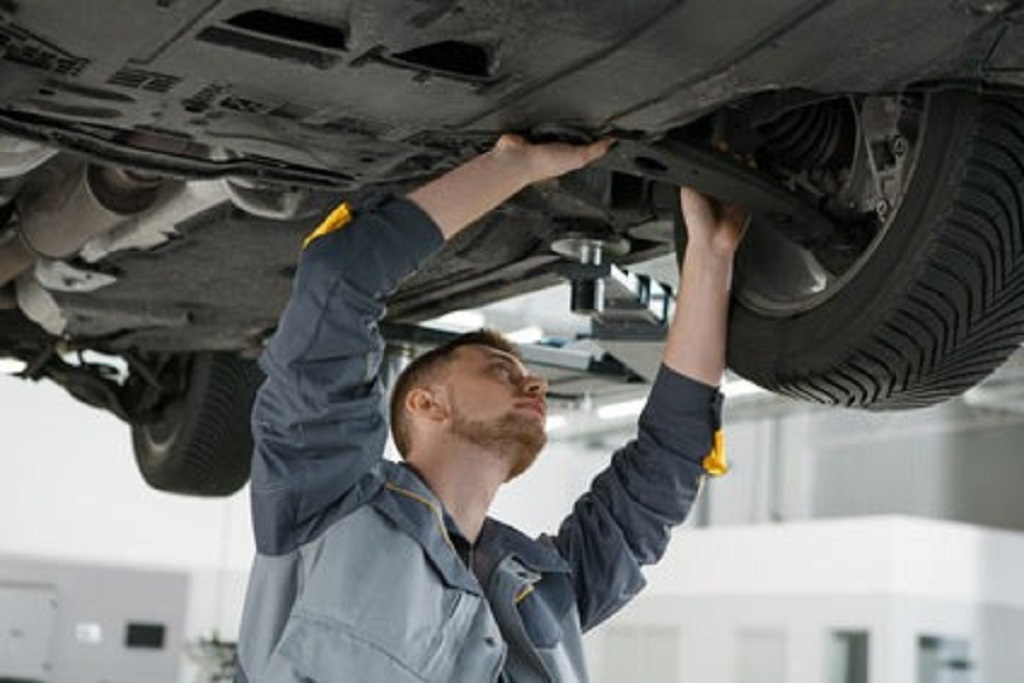
Rust and corrosion are the silent enemies of vehicle longevity, especially when it comes to undercarriage components. These metal parts are constantly exposed to moisture, road salts, and harsh environmental conditions that accelerate deterioration. Without proper protection, rust can weaken structural integrity, leading to costly repairs and safety risks.
Fortunately, there are effective ways to prevent rust and corrosion on undercarriage components. Whether you own a classic car, a daily driver, or an off-road vehicle, taking proactive steps can save you thousands of dollars in repairs. In this guide, we’ll dive deep into the best techniques, coatings, and maintenance tips to keep your undercarriage rust-free for years. Also, be sure to explore Auto Nags for more expert automotive care tips and product recommendations.
Understanding How Rust and Corrosion Affect Undercarriage Components
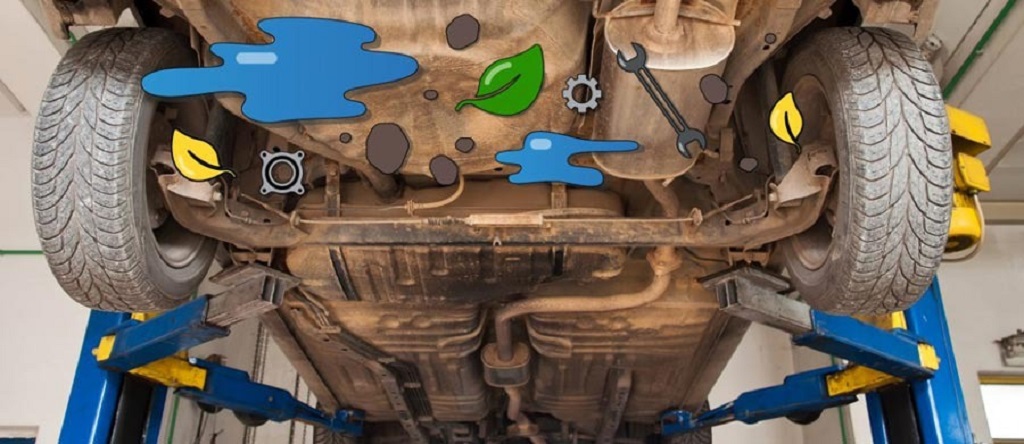
Rust occurs when iron or steel reacts with oxygen and moisture, creating iron oxide. This process is accelerated by road salts, mud, and humidity. Corrosion, on the other hand, is a broader term that includes rust and other forms of metal deterioration due to chemical reactions.
Undercarriage components like the frame, suspension parts, exhaust system, and brake lines are highly vulnerable. Once rust starts, it spreads quickly, weakening the metal and leading to mechanical failures.
Common Causes of Rust and Corrosion on Undercarriage Components
- Exposure to Road Salt
Road salt, used for de-icing in winter, is one of the most aggressive accelerators of rust. It lowers the freezing point of water, keeping roads safe but leaving vehicles susceptible to corrosion.
- Moisture and Humidity
Parking in damp environments or driving in rainy conditions increases moisture retention, creating the perfect conditions for rust formation.
- Mud and Dirt Accumulation
Mud traps moisture and salt against the metal, speeding up corrosion. This is a major issue for off-road vehicles that frequently encounter dirt trails.
- Poor Maintenance
Vehicles that are not regularly washed or inspected are more likely to develop rust since debris and moisture remain on the undercarriage for extended periods.
- Scratches and Chipped Paint
Small scratches or chipped paint expose bare metal, making it easier for rust to take hold.
Why Preventing Rust is Critical for Vehicle Longevity
Rust isn’t just a cosmetic issue. It affects safety, performance, and resale value. Rusted frames and suspension components can compromise a vehicle’s structural integrity, leading to potential accidents. Furthermore, buyers and collectors know that rust-free vehicles hold their value much better, which is why why vintage designed cars are expensive. Classic cars that have been meticulously maintained and protected from rust often fetch high prices due to their preserved condition.
Best Ways to Prevent Rust and Corrosion on Undercarriage Components
- Regular Washing and Undercarriage Cleaning
One of the simplest and most effective ways to prevent rust is to clean your undercarriage regularly. This removes road salt, dirt, and debris before they can cause damage.
- Use a high-pressure hose or undercarriage sprayer.
- Focus on wheel wells, suspension components, and frame rails.
- Wash at least once a month, increasing frequency in winter or after off-road trips.
- Applying Rust-Proofing Sprays and Coatings
Rust-proofing sprays and coatings create a barrier between metal surfaces and moisture. Popular options include:
- Oil-Based Rust Inhibitors: Penetrate deep into crevices, preventing moisture buildup.
- Rubberized Undercoating: Provides a protective layer against road debris and salt.
- Ceramic Coatings: High-tech coatings that offer long-term protection and durability.
- Using Galvanized and Rust-Resistant Materials
Many modern vehicles use galvanized steel or aluminum, which resists rust better than traditional steel. If you’re replacing parts, opt for rust-resistant materials.
- Sealing Exposed Metal with Paint or Powder Coating
If you notice chipped paint or scratches, touch them up immediately with rust-inhibiting paint or powder coating. This seals the metal and prevents oxidation.
- Applying Wax-Based Rust Inhibitors
Wax-based rust inhibitors provide long-lasting protection by forming a semi-permanent barrier. These are excellent for undercarriage areas prone to moisture exposure.
- Storing Your Vehicle in a Dry Environment
If possible, park in a garage or covered area to minimize exposure to moisture. Using a dehumidifier can further reduce humidity levels.
- Installing Plastic or Rubber Undercarriage Shields
Many modern vehicles come with plastic shields to reduce moisture buildup. Consider installing aftermarket shields for additional protection.
- Conducting Regular Inspections and Maintenance
Routine inspections allow you to catch early signs of rust before they spread. Look for:
- Flaking metal or bubbling paint.
- Rust spots on brake lines, exhaust pipes, and suspension parts.
- Weak or brittle areas that may need reinforcement.
What to Do If Rust Has Already Formed
If rust is already present, don’t panic. There are effective ways to stop and reverse minor corrosion.
- Sanding and Repainting Affected Areas
Use sandpaper or a wire brush to remove surface rust, then apply a rust converter before repainting the area.
- Using Rust Converters
Rust converters chemically neutralize rust and turn it into a protective layer. These are useful for stopping further deterioration.
- Replacing Severely Rusted Components
If rust has compromised a part’s structural integrity, replacement is the safest option. Prioritize replacing suspension components, brake lines, and frame sections if necessary.
Read More Also: How to Adjust Pasta Machine Rollers for Different Dough Thicknesses
FAQs
How often should I wash my undercarriage?
Washing once a month is ideal, but increase frequency in winter or after driving on muddy roads.
What is the best rust-proofing method for undercarriages?
A combination of oil-based rust inhibitors and rubberized undercoating offers excellent protection.
Can I apply rust-proofing myself?
Yes, but professional application ensures thorough coverage and longer-lasting results.
Will rust-proofing void my vehicle warranty?
Most manufacturers allow rust-proofing, but check your warranty terms before applying any treatments.
Is rust prevention necessary for newer vehicles?
Yes, even modern vehicles with rust-resistant materials benefit from added protection against harsh environments.
How can I tell if my undercarriage is rusting?
Look for reddish-brown spots, flaking metal, or bubbling paint under the car.
Conclusion
Preventing rust and corrosion on undercarriage components is essential for vehicle longevity, safety, and value. By adopting regular maintenance, applying protective coatings, and staying proactive against moisture buildup, you can ensure that your vehicle remains rust-free for years. Whether you’re a car enthusiast or an everyday driver, taking these steps will save you from costly repairs and potential safety hazards.




Leave a Reply