

There’s nothing worse than settling into a peaceful paddle, only to feel cold water trickling down your arms. I remember one early morning trip—calm lake, perfect weather—and within ten minutes, my lap was soaked. The culprit? Worn-out drip rings on my kayak paddle. It’s a common issue that can ruin your comfort on the water. If you’re in the same boat (literally), you’re not alone.
Whether you’re a beginner or seasoned paddler, this guide is for you. Here, you’ll discover why drip rings matter, how they fail, and how to fix or replace them without needing a whole new paddle. Plus, we’ll share insights from pros and real paddlers to help you stay dry and enjoy the ride.
Before we dive in, if you’re a kayak angler or water sports enthusiast, take a moment to explore Crazy Fishing Gear for some of the best tools and accessories in the game.
Why Kayak Paddle Drip Rings Matter More Than You Think
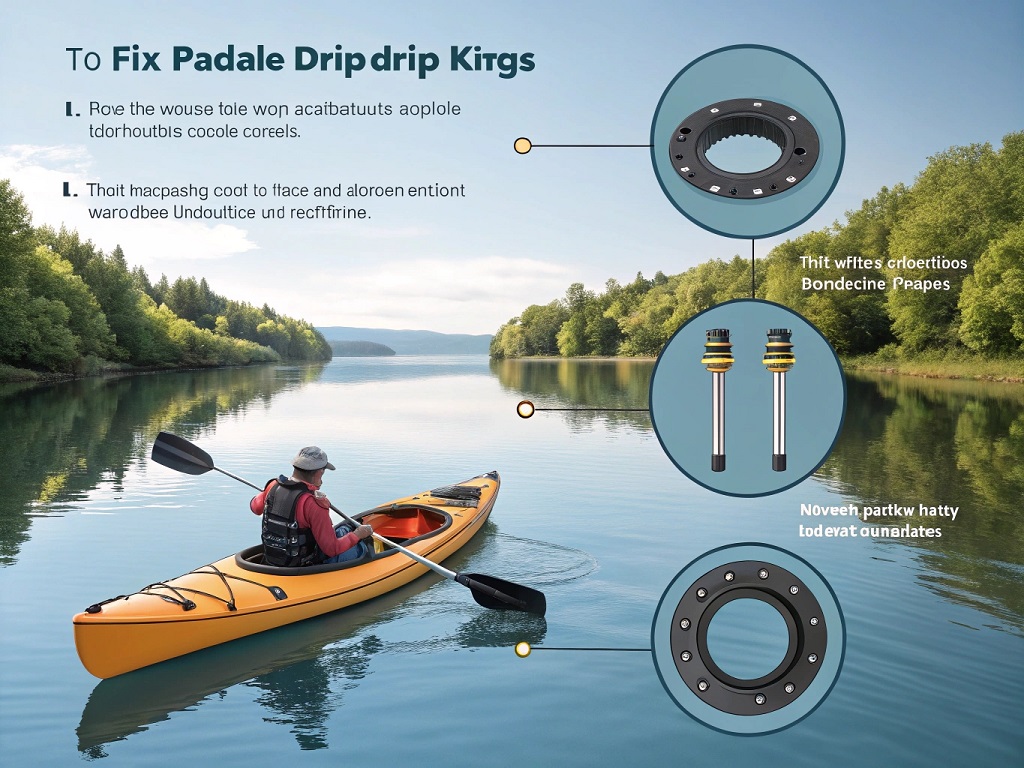
Drip rings are the unsung heroes of paddling. These small rubber or plastic circles on your paddle shaft help block water from running down the blade and into your lap. Without them, you’ll quickly find your seat soaked—and possibly your gear, too.
But it’s not just about comfort. Excess water can lead to:
- Gear damage (wet phones, soaked snacks, or corroded tackle)
- Reduced safety (slippery hands on paddle shafts)
- Chilly conditions, especially in colder climates
For anglers, this water problem is even more annoying. You need dry hands to tie lines or handle bait. According to a fishing gear review, staying dry isn’t a luxury—it’s essential.
When drip rings are missing, cracked, or installed incorrectly, they can’t do their job. This guide will help you troubleshoot and solve the issue without overcomplicating things.
Common Causes of Drip Ring Failures
Let’s break down the most likely reasons you’re getting splashed despite having drip rings:
- Worn-out or cracked drip rings: Over time, UV exposure and friction wear down the rubber, making them ineffective.
- Loose fit on the paddle shaft: If they slide freely, water can sneak past.
- Incorrect placement: Too close to the blades or too far up the shaft won’t help either.
- Improper paddle technique: Even good rings won’t help if your strokes send water flying.
According to a study by Outdoor Gear Lab, over 40% of paddlers replace drip rings every 2–3 years. They’re cheap but critical.
Tip: Always inspect your rings before every trip. Look for cracks, brittleness, or if they wiggle when you twist the paddle.
How to Properly Position Your Drip Rings
Many paddlers place the rings in the wrong spot, which reduces their effectiveness. The correct placement can make all the difference.
Ideal placement:
- 4 to 6 inches (10–15 cm) from each paddle blade
- Positioned to block water when you lift the paddle
How to check:
- Hold the paddle horizontally
- Drip rings should sit where water naturally follows the shaft downward during recovery strokes
If you paddle with a high-angle stroke, keep rings a bit closer to the blade. For low-angle strokes, place them slightly higher.
Steps to reposition:
- Loosen the ring (some twist off, others slide)
- Wet the shaft for easier movement
- Slide and test on dry land
Repositioning is an easy fix that can reduce water by over 50% when done right.
How to Repair or Replace Kayak Paddle Drip Rings
Now that you’ve identified the problem, let’s fix it. Most drip ring issues are solved with a simple replacement.
Tools you may need:
- Replacement drip rings (available at outdoor retailers)
- Mild soap and water
- Towel
- Zip ties or waterproof tape (for emergencies)
Steps to Replace Drip Rings:
- Remove old rings: Twist or pull off gently. Use a flathead screwdriver if stuck.
- Clean the shaft: Remove sand, dirt, or old adhesive.
- Slide new rings on: Wet the shaft with soapy water if tight.
- Position them: Refer to placement section above.
- Let dry and test
Quick Repair Option
If you’re mid-trip and need a fix, wrap waterproof tape below the faulty ring. Add a zip tie above for extra security. It’s not perfect, but it buys you time.
Tips to Prevent Future Drip Ring Problems
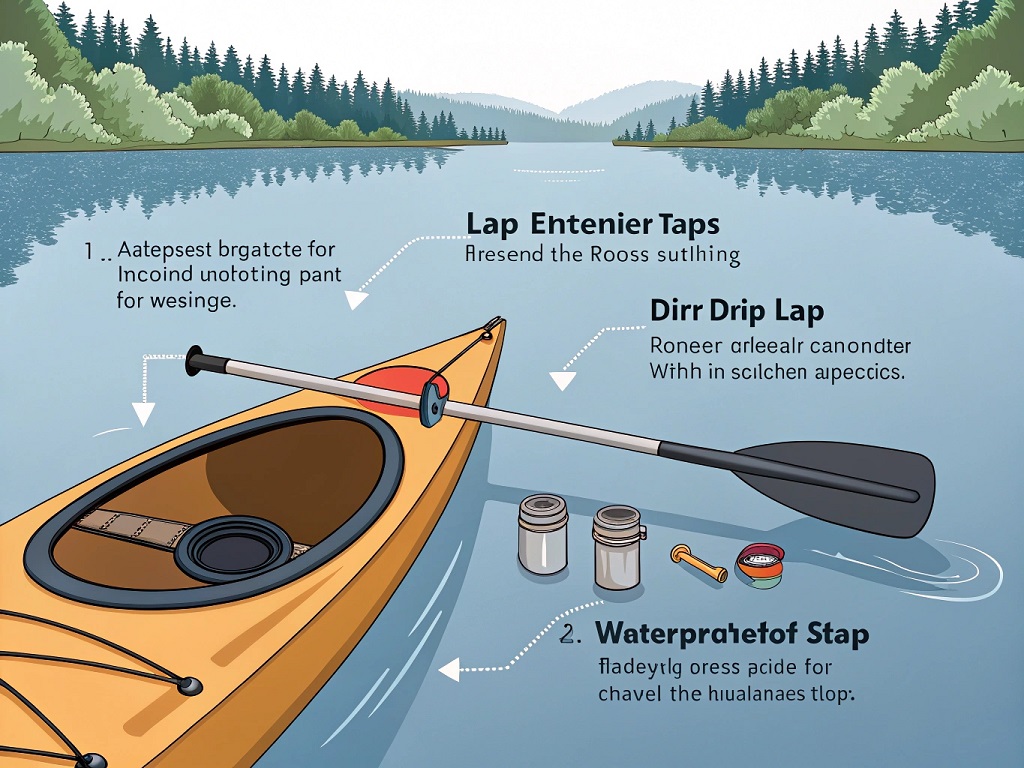
Keeping your gear in shape avoids repeat issues. Here’s how to make your drip rings last longer:
- Store paddles in a cool, dry place
- Avoid direct sunlight when not in use
- Rinse with fresh water after saltwater exposure
- Check for damage before every outing
- Carry spares in your gear bag
Additionally, some high-end paddles come with integrated water-blocking features. But for most kayakers, simple rubber drip rings are still the go-to.
Pro tip: Rotate your paddle after every few trips to even out wear and reduce sun damage on one side.
How I Solved My Leaky Paddle Woes
On one summer kayaking trip in the Pacific Northwest, I faced a downpour—and my drip rings failed badly. Despite wearing waterproof pants, water seeped in constantly. I thought it was just the rain, but turns out, the rings had cracked.
I borrowed a friend’s backup paddle with well-placed, new rings—and instantly noticed the difference. No more trickles, better grip, and a much more enjoyable time on the water.
That trip taught me never to overlook small gear. Since then, I inspect my paddle gear before every session. I even carry a repair kit with spare rings, zip ties, and seal tape in my dry bag.
Conclusion
Fixing kayak paddle drip rings is one of the easiest and most effective ways to improve your paddling experience. Whether you’re out for a casual cruise or serious fishing session, staying dry means staying comfortable and focused.
From repositioning rings to quick repairs, you now have everything you need to keep water out of your lap. Take action today, and don’t let something so small mess up your day.
We want to hear from you! Have a trick for fixing paddle drip issues? Share it in the comments—or pass this guide along to a fellow paddler.
FAQs
What do kayak paddle drip rings do?
Drip rings stop water from sliding down the paddle into your lap by blocking the flow at key points.
How often should I replace my kayak drip rings?
Replace them every 2–3 years or sooner if they crack, loosen, or stop working effectively.
Can I paddle without drip rings?
Yes, but you’ll likely get wet. Drip rings keep your hands and lap drier, especially with longer trips.
Where should I place drip rings on my paddle?
Place them 4 to 6 inches from each blade—adjust slightly for your paddling style.
What materials are best for drip rings?
Durable rubber or silicone offers the best flexibility, grip, and weather resistance.



Leave a Reply