

Picture your loyal dog scratching endlessly, turning a peaceful day into a worry-filled one. Chronic skin problems plague many dogs, causing discomfort and frustration for both pets and owners. These issues often stem from allergies, infections, or environmental factors, leading to persistent itching and irritation. According to the American Veterinary Medical Association, skin problems rank among the top reasons for vet visits, with atopic dermatitis affecting up to 10-15% of dogs. A recent Nationwide Pet insurance report shows skin allergies as the number one claim for dogs over 13 years, with claims rising 13% in 2024. Owners seek effective solutions, and veterinary dog shampoo stands out as a key tool in managing these conditions. This article explores vet-recommended options that provide relief and promote healthier skin.
Understanding Chronic Skin Issues in Dogs
Dogs face a range of skin troubles that linger over time. These problems disrupt their daily lives and require ongoing care. Vets often see cases where simple irritations turn into long-term battles.
First, recognize the signs early. Redness appears on the belly or paws. Hair loss follows in patches. Dogs lick or bite affected areas constantly. Odor develops from secondary infections. These symptoms signal deeper issues.
Moreover, chronic conditions differ from temporary ones. A brief rash might heal quickly. But ongoing problems need targeted approaches. Owners notice cycles of flare-ups despite basic grooming.
Additionally, breeds play a role. Bulldogs and Retrievers suffer more frequently. Their genetics make skin barriers weaker. Environmental factors worsen this vulnerability.
Furthermore, age influences severity. Puppies rarely show chronic issues. Adults between one and three years old often start displaying symptoms. Senior dogs deal with compounded effects from years of exposure.
In summary, grasping these basics helps owners act wisely. Knowledge empowers better decisions for pet health.
Common Types of Chronic Skin Problems
Atopic dermatitis tops the list. This allergic reaction stems from environmental triggers like pollen or dust. Dogs itch intensely around the face, ears, and feet.
Next, flea allergy dermatitis causes havoc. Even one flea bite triggers severe reactions. The back and tail base become hot spots of irritation.
Food allergies also contribute. Certain proteins spark skin inflammation. Symptoms include ear infections and paw chewing.
Seborrhea brings greasy or flaky skin. Primary types are genetic. Secondary ones arise from other illnesses.
Yeast and bacterial infections often complicate matters. Malassezia overgrowth leads to smelly, red skin. Staph bacteria invade weakened barriers.
Autoimmune disorders rarely occur but mimic others. Pemphigus causes blisters and crusts. Vets diagnose through biopsies.
Parasitic infestations like mange persist if untreated. Sarcoptic mites burrow and cause intense scratching.
Hormonal imbalances from thyroid issues dry out skin. Cushing’s disease adds to vulnerability.
Each type demands specific identification. Misdiagnosis delays relief. Vets use tests to pinpoint causes.
Prevalence and Statistics on Dog Skin Issues
Statistics reveal the scope of these problems. Around 25% of dogs experience skin issues at some point. Allergies drive most cases.
Recent data from pet insurance claims highlights trends. Skin allergies account for 16% of dog claims. This ranks them as the top issue for over a decade.
Studies estimate atopic dermatitis in 3-15% of dogs. Teaching hospitals report rising diagnoses. One Brazilian study noted 25.65% of dermatology cases as atopic.
Pruritus affects many. Itchy skin leads veterinary visits. Chronic cases require lifelong management.
Global surveys show variations. In Morocco, ectoparasites dominated skin disorders in dogs. Breed and lifestyle influence rates.
Awareness months like Itchy Pet Month educate owners. Facts show early intervention prevents worsening.
These numbers underscore urgency. Pet owners benefit from informed choices.
Causes of Chronic Skin Problems in Dogs
Multiple factors trigger these issues. Genetics set the stage. Certain breeds inherit weak skin barriers.
Environmental allergens play a big part. Pollen drifts in during seasons. Dust mites hide in homes. Mold grows in damp areas.
Fleas and ticks invade outdoors. Their saliva irritates sensitive dogs. Bites lead to allergic cascades.
Food ingredients cause reactions too. Beef or chicken proteins spark inflammation. Grains sometimes contribute.
Bacterial overgrowth happens easily. Normal flora turns problematic on damaged skin. Yeast thrives in warm folds.
Hormonal shifts disrupt balance. Hypothyroidism dries coats. Excess cortisol weakens immunity.
Stress impacts skin health. Anxious dogs lick excessively. This creates raw spots.
Poor nutrition weakens defenses. Deficient diets lack essential fatty acids. Vitamins support skin repair.
Parasites burrow deep. Mites cause mange varieties. Worms indirectly affect through malnutrition.
Immune system glitches occur. Autoimmune attacks target skin cells. Allergies overreact to harmless substances.
Understanding causes guides prevention. Owners adjust environments accordingly.
Environmental Factors Contributing to Skin Issues
Seasons change allergen exposure. Spring brings pollen blooms. Fall introduces mold from leaves.
Household cleaners irritate. Chemicals linger on floors. Dogs absorb through paws.
Pesticides in yards pose risks. Grass treatments cause contact dermatitis.
Urban pollution adds grime. Smog particles settle on fur. This clogs pores.
Humidity levels matter. High moisture encourages yeast. Dry air cracks skin.
Indoor allergens persist year-round. Dust accumulates in carpets. Mites flourish in bedding.
Water quality affects bathing. Hard water leaves residues. Chlorine dries sensitive areas.
Travel exposes new triggers. Vacations introduce regional plants. Hotels harbor unknown pests.
Climate shifts influence patterns. Warmer weather extends flea seasons. This prolongs risks.
Owners mitigate these. Regular cleaning reduces buildup. Hypoallergenic products help.
Genetic and Breed-Specific Predispositions
Breeds vary in susceptibility. Labrador Retrievers top lists for atopy. Their skin reacts strongly.
Golden Retrievers follow closely. Allergies manifest early. Chronic ear issues common.
Bulldogs struggle with folds. Infections hide in wrinkles. Seborrhea prevalent.
Shar-Peis have thick skin. This traps moisture. Yeast overgrows easily.
West Highland White Terriers itch often. Atopy runs in lines. Food sensitivities add layers.
Boxers develop demodex mange. Immune weaknesses allow mites. Allergies compound.
Shih Tzus face eye-area irritation. Facial folds harbor bacteria. Pollen worsens.
German Shepherds show hormonal links. Thyroid problems dry coats. Allergies follow.
Mixed breeds inherit traits. Parentage predicts risks. Testing reveals predispositions.
Vets consider breed history. Tailored plans address specifics.
The Role of Shampoos in Managing Chronic Skin Problems
Shampoos serve as frontline defense. They cleanse away irritants. Regular use prevents buildup.
Medicated formulas target causes. Antifungals combat yeast. Antibacterials fight infections.
Moisturizing ingredients hydrate. Oatmeal soothes inflammation. Aloe vera calms redness.
Barrier repair happens gradually. Ceramides strengthen skin. Fatty acids nourish.
Frequency matters in routines. Weekly baths control flares. Adjustment follows vet advice.
Combination therapies enhance effects. Shampoos pair with orals. This tackles inside and out.
Natural options appeal to some. Plant extracts provide relief. Avoid harsh chemicals.
Professional dog shampoo elevates care. Vets endorse quality blends. Results show in healthier coats.
Owners see improvements quickly. Less scratching brings peace. Bonds strengthen through grooming.
Research supports shampoo therapy. Studies show reduced allergens. Hydration aids healing.
How Shampoos Differ from Regular Grooming Products
Medicated shampoos contain active agents. Chlorhexidine kills bacteria. Ketoconazole fights fungi.
Regular products focus on cleaning. They lack therapeutic punch. Scent masks issues temporarily.
pH balance suits canine skin. Human shampoos disrupt this. Irritation follows misuse.
Contact time boosts efficacy. Medicated ones require soaking. Quick rinses waste potential.
Ingredients target symptoms. Antipruritics reduce itch. Moisturizers prevent dryness.
Vet formulas undergo testing. Safety profiles assure use. Over-the-counter vary in quality.
Frequency adapts to needs. Therapeutic baths occur often. Grooming ones space out.
Results measure progress. Skin heals visibly. Coats shine naturally.
Owners choose wisely. Consultation guides selections. Mismatches prolong suffering.
Professional dog shampoo bridges gaps. It combines care with treatment.
What Makes a Shampoo Vet-Recommended?
Vets look for proven ingredients. Clinical trials back claims. Efficacy stands out.
Safety profiles matter greatly. Low side effects encourage use. Gentle on sensitive skin.
Broad-spectrum action helps. Multiple issues addressed simultaneously. Convenience appeals.
Ease of application counts. Foaming aids coverage. Rinsing leaves no residue.
Long-term suitability ensures compliance. No resistance builds up. Consistent results follow.
Research integration guides choices. Latest studies inform updates. Innovations improve formulas.
Pet-specific design fits needs. Dog skin differs from others. Tailoring enhances outcomes.
Owner feedback loops in. Real-world success stories validate. Adjustments refine recommendations.
Professional dog shampoo earns trust. Vets prescribe based on evidence.
Key Ingredients in Effective Dog Shampoos
Chlorhexidine provides antiseptic power. It battles bacteria effectively. Infections clear faster.
Ketoconazole targets fungi. Yeast overgrowth diminishes. Odors fade away.
Colloidal oatmeal soothes itching. Anti-inflammatory effects calm skin. Redness reduces.
Pramoxine offers numbing relief. Topical anesthetic eases discomfort. Scratching lessens.
Aloe vera hydrates deeply. Natural moisture locks in. Dryness prevents cracking.
Ceramides rebuild barriers. Skin protection strengthens. Allergens penetrate less.
Essential fatty acids nourish. Omega-3 and 6 support health. Coats gain luster.
Phytosphingosine aids repair. Antimicrobial properties add layers. Balance restores.
Hydrocortisone tames inflammation. Mild steroid calms flares. Use follows guidelines.
Piroctone olamine fights microbes. Antifungal action complements. Prevention builds.
Blends create synergy. Ingredients work together. Relief amplifies.
Safety and Efficacy Standards
Regulatory approvals ensure quality. FDA oversight for medicated ones. Standards protect pets.
Clinical studies test thoroughly. Double-blind trials prove benefits. Placebos compare outcomes.
Veterinary boards review data. Guidelines update regularly. Best practices evolve.
Allergen-free formulas prioritize. No common irritants included. Reactions minimize.
pH neutrality maintains balance. Acidic canine skin stays intact. Disruptions avoid.
Non-toxic bases reassure. Accidental ingestion harms none. Peace of mind follows.
Long-term studies track effects. Chronic use shows safety. Benefits sustain.
Owner education accompanies. Instructions clarify usage. Mistakes prevent.
Vets monitor progress. Adjustments fine-tune. Success measures accurately.
Professional dog shampoo meets criteria. Trust builds through standards.
Top Vet-Recommended Dog Shampoos for Chronic Issues
Vets often suggest specific brands. These address common problems. Relief comes reliably.
KetoChlor combines forces. Antifungal and antiseptic properties shine. Irritation drops.
Douxo S3 Calm soothes allergies. Plant extracts gentle skin. Itch relief stands out.
Veterinary Formula Clinical Care tackles multiple conditions. Parasites and seborrhea improve. Moisture returns.
Earthbath Oatmeal & Aloe hydrates naturally. Sensitive skin benefits. Inflammation eases.
Virbac KetoChlor medicated formula fights infections. Yeast and bacteria retreat. Healing accelerates.
Vetnique Labs Dermabliss relieves allergies. Anti-itch components work fast. Comfort restores.
Malaseb handles fungal issues. Dermatitis clears up. Ringworm responds well.
4-Legger Organic uses natural acids. pH balance maintains. Infections prevent.
Burt’s Bees Oatmeal offers gentle care. Conditioner pairs nicely. Dryness combats.
Choices depend on diagnosis. Vets match to needs. Results vary by dog.
Antifungal and Antibacterial Shampoos
These target infections head-on. Secondary complications resolve. Primary issues manage better.
Chlorhexidine shampoos kill broad spectra. Staph infections subside. Pyoderma heals.
Miconazole formulas fight yeast. Malassezia overgrowth controls. Smells disappear.
Combination products multitask. Bacteria and fungi address together. Time saves.
Frequent use prevents recurrence. Maintenance baths space out. Flares reduce.
Gentle bases prevent drying. Moisturizers add balance. Skin stays supple.
Vets prescribe for hotspots. Quick action stops spread. Comfort returns soon.
Natural alternatives include tea tree. Diluted properly avoids irritation. Efficacy varies.
Monitoring guides continuation. Improvements signal success. Adjustments follow.
Professional dog shampoo in this category excels. Infections clear efficiently.
Moisturizing and Soothing Shampoos
Hydration forms the core. Dry skin cracks less. Barriers strengthen.
Oatmeal bases calm inflammation. Colloidal forms absorb well. Itch cycles break.
Aloe vera infuses moisture. Healing properties speed recovery. Redness fades.
Ceramide-enriched formulas repair. Lipid layers rebuild. Protection enhances.
Pramoxine numbs temporarily. Immediate relief allows rest. Scratching halts.
Vitamin E adds antioxidants. Free radicals combat. Health promotes.
Frequent application suits. Weekly routines maintain. Dry climates benefit.
Pairing with conditioners amplifies. Leave-in products extend effects. Coats soften.
Owners notice softer fur. Grooming becomes enjoyable. Bonds grow.
These shampoos complement others. Holistic approaches win.
Hypoallergenic Options for Sensitive Skin
Sensitive dogs need careful choices. Irritants avoid completely. Reactions prevent.
Fragrance-free formulas prioritize. Natural scents suffice. Comfort ensures.
Plant-based ingredients gentle. Harsh chemicals skip. Skin breathes easy.
Oatmeal and aloe dominate. Proven soothers lead. Allergies manage.
pH-balanced designs fit. Canine specifics honor. Balance restores.
Vet testing assures. Clinical data supports. Confidence builds.
Maintenance use suits. Preventive care shines. Flares minimize.
Owners report fewer issues. Peaceful homes result. Pets thrive.
Professional dog shampoo in hypoallergenic lines stands reliable. Sensitivity addresses.
How to Choose the Right Shampoo for Your Dog
Start with vet consultation. Diagnosis pinpoints needs. Recommendations follow.
Consider skin type. Dry needs moisture. Oily requires control.
Assess allergens. Hypoallergenic suits sensitivities. Testing reveals triggers.
Look at ingredients. Active ones target issues. Avoid fillers.
Check breed specifics. Folds need antifungal. Coats vary.
Evaluate frequency. Therapeutic ones allow often. Grooming limits.
Read labels carefully. Medicated notes guide. Safety ensures.
Trial small amounts. Reactions monitor. Adjustments make.
Seek reviews from owners. Real experiences inform. Success stories guide.
Update as needed. Conditions change. New formulas emerge.
Factors to Consider Based on Dog’s Condition
Severity dictates strength. Mild cases use gentle. Severe need potent.
Duration influences choice. Acute flares differ from chronic. Long-term plans adapt.
Secondary infections prioritize. Antimicrobials lead. Healing follows.
Allergy types guide. Environmental vs food. Shampoos support.
Age factors in. Puppies gentle. Seniors careful.
Activity levels matter. Outdoor dogs face more. Protection boosts.
Diet interacts. Nutritional support complements. Balance achieves.
Environment assesses. Humid areas fungal. Dry ones moisturize.
Vet history reviews. Past responses predict. Patterns emerge.
Tailoring ensures success. Individual needs met.
Consulting with Your Veterinarian
Vets offer expert insights. History reviews thoroughly. Plans customize.
Tests confirm causes. Scrapings diagnose infections. Allergies identify.
Prescriptions provide access. Medicated strengths unlock. Relief accelerates.
Follow-ups track progress. Adjustments refine. Goals achieve.
Education empowers owners. Usage demonstrates. Confidence builds.
Referrals to specialists. Dermatologists handle complex. Expertise deepens.
Partnership forms. Team approach wins. Pets benefit.
Questions encourage. Clarity prevents errors. Understanding grows.
Ongoing dialogue sustains. Changes address promptly. Health optimizes.
Professional dog shampoo selections refine through advice.
Proper Bathing Techniques for Maximum Effectiveness
Prepare supplies ahead. Warm water sets. Towels ready.
Wet fur thoroughly. Lukewarm avoids burns. Coverage ensures.
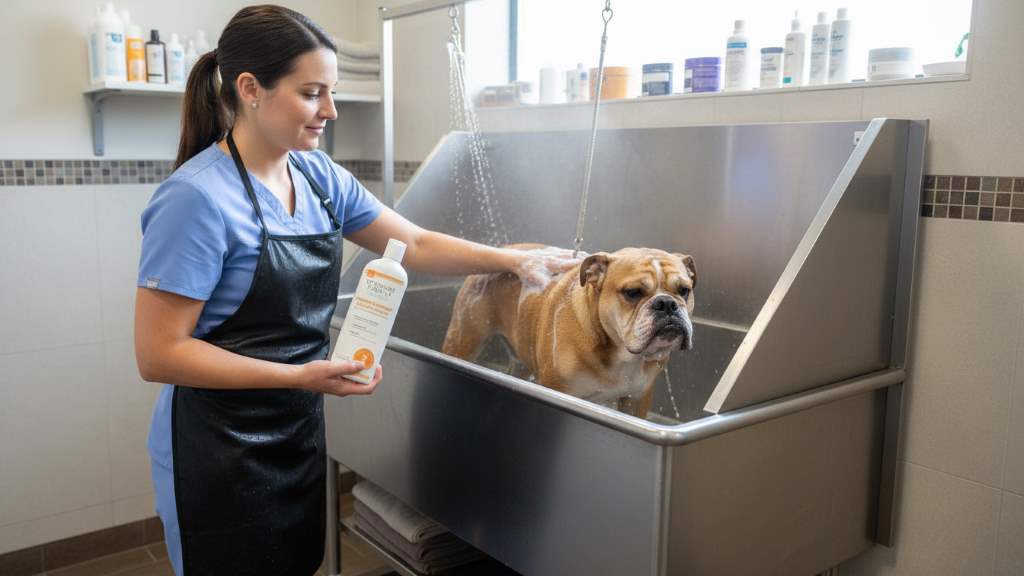
Apply shampoo evenly. Massage gently. Bubbles form.
Allow contact time. Minutes matter for actives. Patience pays.
Rinse completely. Residue irritates. Clear water confirms.
Dry properly. Towel blot first. Air dry or low heat.
Brush after. Tangles remove. Coat smooths.
Frequency follows advice. Weekly for chronic. Adjust as improves.
Positive experiences build. Treats reward. Stress reduces.
Monitor skin post-bath. Improvements note. Issues report.
Step-by-Step Guide to Bathing a Dog with Skin Issues
Gather tools first. Shampoo, towels, brush. Space organizes.
Calm your dog. Gentle words soothe. Routine establishes.
Wet from neck down. Head last avoids fear. Thorough soaks.
Lather starting small. Sections cover evenly. Fingers work in.
Focus on problem areas. Paws and belly extra. Care takes.
Wait prescribed time. Timer helps accuracy. Absorption maximizes.
Rinse top to bottom. Flow removes all. Repeat if needed.
Pat dry softly. Rubbing irritates. Moisture wicks.
Apply conditioner if used. Extra hydration locks. Rinse light.
Observe behavior after. Comfort signals success. Adjustments note.
Common Mistakes to Avoid During Bathing
Using human products harms. pH mismatch dries. Irritation follows.
Rushing contact shortchanges. Actives need time. Efficacy drops.
Overbathing strips oils. Natural protection loses. Dryness worsens.
Hot water scalds. Sensitive skin reacts. Comfort prioritizes.
Incomplete rinsing leaves film. Itch returns worse. Thoroughness key.
Forcing stressed dogs traumatizes. Patience builds trust. Bonds preserve.
Ignoring ears risks infections. Water avoids canals. Drying ensures.
Skipping post-care misses. Moisturizers apply. Relief extends.
Harsh scrubbing bruises. Gentle massage suffices. Healing promotes.
Neglecting tools cleans. Bacteria harbor. Hygiene maintains.
Complementary Treatments Alongside Shampoos
Oral medications tackle inside. Antihistamines calm reactions. Steroids reduce inflammation.
Topical sprays spot-treat. Hotspots heal faster. Convenience adds.
Diet changes support. Hypoallergenic foods test. Allergens eliminate.
Supplements boost. Fish oils provide omegas. Skin nourishes.
Immunotherapy desensitizes. Injections build tolerance. Long-term relief.
Flea control prevents. Monthly preventives essential. Bites avoid.
Environmental tweaks help. Air purifiers reduce dust. Bedding washes.
Holistic options explore. Acupuncture relieves. Herbs soothe.
Monitoring apps track. Patterns reveal triggers. Management sharpens.
Vets integrate approaches. Combined efforts win.
Dietary Changes and Supplements for Skin Health
Switch proteins carefully. Novel sources test allergies. Reactions monitor.
Add fatty acids daily. Omega-3 fights inflammation. Coats improve.
Probiotics balance gut. Microbiome links to skin. Health connects.
Vitamins fortify. E and A repair. Deficiencies correct.
Hydration encourages. Water intake moistens. Dryness combats.
Home-cooked consults. Vets balance recipes. Nutrition ensures.
Elimination trials identify. Foods rotate methodically. Culprits find.
Supplements dose properly. Overuse avoids. Balance key.
Progress journals note. Changes correlate improvements. Adjustments guide.
Synergy with shampoos amplifies. Inside-out care thrives.
Other Veterinary Treatments for Severe Cases
Injections like Cytopoint target IL-31. Itch blocks effectively. Monthly doses suffice.
Apoquel inhibits JAK. Quick relief provides. Daily tablets easy.
Cyclosporine modulates immunity. Chronic atopy manages. Side effects monitor.
Antibiotics clear infections. Courses complete fully. Resistance prevents.
Antifungals oral pair topicals. Deep issues address. Healing deepens.
Laser therapy reduces pain. Inflammation lessens. Sessions schedule.
Biopsies diagnose precisely. Labs analyze samples. Treatments tailor.
Specialist referrals advance. Dermatologists expertise. Plans optimize.
Hospital stays for acute. IV fluids support. Recovery speeds.
Research trials explore. New options test. Frontiers push.
When to Seek Professional Veterinary Help
Persistent symptoms signal need. Home remedies fail. Vets intervene.
Sudden worsening alarms. Infections spread fast. Prompt care essential.
Weight loss accompanies. Systemic issues suspect. Tests reveal.
Behavioral changes note. Pain hides in withdrawal. Attention pays.
Foul odors persist. Yeast or bacteria thrive. Samples culture.
Hair loss expands. Patches grow. Causes investigate.
Lethargy joins itching. Energy drops hint deeper. Exams thorough.
Appetite shifts worry. Refusal eats signals distress. Nutrition assesses.
Previous treatments falter. Resistance builds. Alternatives explore.
Routine checks prevent. Early catches save. Health maintains.
Signs That Home Remedies Aren’t Enough
Scratching intensifies despite efforts. Cycles unbroken. Professional input needs.
Redness spreads beyond spots. Inflammation grows. Control loses.
Infections recur frequently. Antibiotics repeat. Underlying searches.
Odors linger post-bath. Deep sources persist. Diagnostics require.
Licking creates wounds. Self-trauma worsens. Barriers fail.
Sleep disrupts nightly. Discomfort peaks. Quality life drops.
Coat dulls progressively. Nutrition questions. Bloodwork orders.
Family notices changes. Objective views help. Decisions inform.
Trials extend without gain. Time wastes. Experts call.
Professional dog shampoo alone limits. Combined care elevates.
Preparing for a Vet Visit on Skin Issues
Gather history details. Onset notes. Triggers list.
Photo progressions show. Changes visualize. Discussions aid.
List current products. Shampoos detail. Interactions check.
Note diet fully. Foods and treats. Allergies suspect.
Observe behaviors closely. Patterns record. Insights provide.
Bring samples if possible. Flea evidence. Vets examine.
Questions prepare ahead. Concerns address. Clarity gains.
Follow instructions post. Compliance ensures. Follow-ups schedule.
Trust builds rapport. Open talks. Partnerships form.
Visits optimize outcomes. Skin health restores.
Conclusion
Chronic skin problems challenge dogs and owners alike. Vet-recommended shampoos provide essential relief through targeted ingredients and proven formulas. Understanding causes, from allergies to infections, allows better management. Key options like KetoChlor and Douxo address specific needs, while proper techniques maximize benefits. Complementary treatments, including diets and medications, create comprehensive plans. Early vet involvement prevents escalation. Take action today by consulting your veterinarian to select the best shampoo and routine for your dog’s unique situation. Your furry friend deserves comfort and a itch-free life.
FAQs
What Are the Most Common Signs of Chronic Skin Problems in Dogs?
Dogs show itching through scratching and licking. Red skin appears inflamed. Hair thins in patches. Odors signal infections. Behavior changes include restlessness.
How Often Should I Bathe My Dog with a Vet-Recommended Shampoo?
Bathe weekly for chronic issues initially. Adjust to every two weeks as improves. Follow vet guidance. Overbathing dries skin. Monitor responses closely.
Can Diet Affect My Dog’s Chronic Skin Problems?
Yes, food allergies trigger flares. Switch to hypoallergenic diets. Add omega supplements. Track improvements. Vet trials identify culprits effectively.
Are There Natural Alternatives to Medicated Dog Shampoos?
Oatmeal and aloe provide soothing. Apple cider vinegar balances pH. Herbal blends calm. Consult vets first. Efficacy varies by case.
When Will I See Improvements After Using a Recommended Shampoo?
Notice changes in one to two weeks. Itch reduces gradually. Full benefits take a month. Consistency matters. Combine with other treatments for faster results.
References




Leave a Reply