
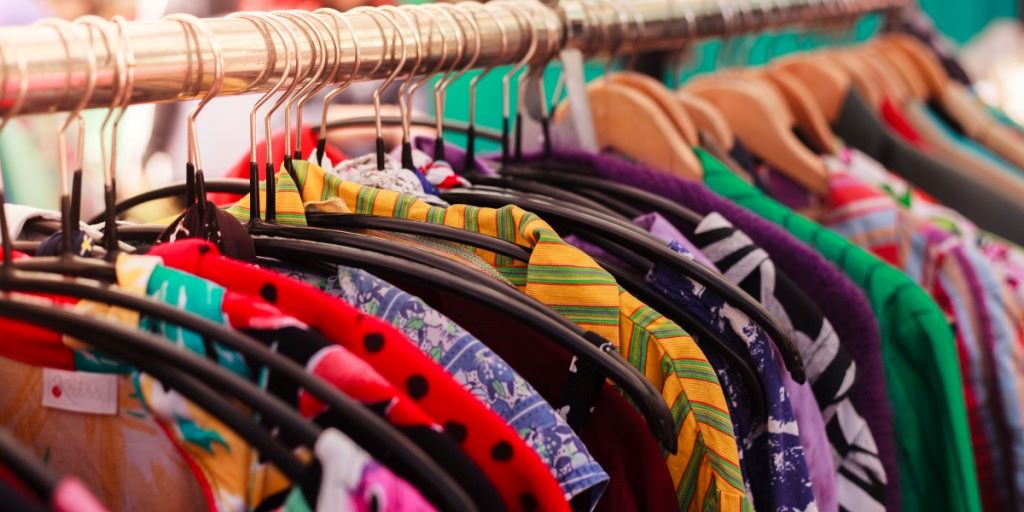
The fashion industry contributes significantly to global environmental challenges through waste and pollution. However, circular fashion offers hope for a more sustainable future. Eco Friendly Party advocates for conscious consumption that benefits both people and planet. Additionally, adopting circular fashion principles transforms how we think about clothing ownership and use.
Understanding Circular Fashion Principles
Circular fashion represents a complete shift from traditional linear consumption models. Instead of the typical buy-use-dispose cycle, circular systems focus on keeping clothes in use longer. Furthermore, this approach emphasizes designing out waste and regenerating natural systems.
Many people wonder how to create a more sustainable wardrobe? The answer lies in understanding circular economy principles applied to fashion. Therefore, successful implementation requires rethinking every aspect of clothing consumption and care.
Building Your Circular Wardrobe Foundation
Creating a circular wardrobe starts with honest assessment of current clothing needs. Most people own far more clothes than necessary for daily life. However, quality matters more than quantity when building sustainable fashion choices.
Conducting a Wardrobe Audit
Begin by removing every item from your closet and drawers. Sort clothes into categories like work wear, casual clothes, and special occasion outfits. Additionally, create piles for items that need repair, alteration, or donation.
This process reveals buying patterns and identifies gaps in your wardrobe. Many people discover they own multiple similar items while lacking basic essentials. Therefore, understanding these patterns prevents future impulse purchases.
Defining Your Personal Style
Developing a clear personal style reduces the temptation to follow every trend. Choose colors, cuts, and styles that genuinely reflect your lifestyle and preferences. Furthermore, a defined aesthetic makes mixing and matching easier.
Consider creating a mood board or Pinterest collection showcasing your ideal style. This visual reference guides future purchases and helps maintain wardrobe cohesion. Additionally, having clear style guidelines prevents regrettable impulse buys.
Sustainable Shopping Strategies
Smart shopping forms the cornerstone of any circular fashion approach. Prioritizing quality over quantity ensures clothes last longer and provide better value. However, sustainable shopping requires patience and planning.
Choosing Quality Over Quantity
Invest in well-made pieces from brands committed to ethical production. Look for natural fibers like organic cotton, linen, and wool that age gracefully. Additionally, examine construction details like seam quality and button attachment.
Quality clothes cost more initially but provide better long-term value. According to the Environmental Protection Agency, Americans throw away about 85% of their clothes, highlighting the importance of choosing durable items.
Supporting Ethical Brands
Research brands’ environmental and social practices before purchasing. Many companies now publish sustainability reports detailing their efforts. Furthermore, third-party certifications like GOTS and Fair Trade provide independent verification.
Consider supporting local designers and small businesses committed to ethical practices. These brands often offer unique pieces while supporting local economies. Additionally, smaller companies typically have more transparent supply chains.
Caring for Your Clothes Properly
Proper garment care significantly extends clothing lifespan and maintains appearance. Most clothes deteriorate from poor washing and storage practices rather than normal wear. Therefore, learning proper care techniques protects your investment.
Washing and Drying Best Practices
Wash clothes only when necessary and use cold water whenever possible. Hot water damages fibers and causes shrinkage and fading. Additionally, air drying prevents heat damage and reduces energy consumption.
Sort clothes by color and fabric type to prevent damage during washing. Use gentle, eco-friendly detergents that clean effectively without harsh chemicals. Furthermore, proper sorting prevents color bleeding and fabric damage.
Storage Solutions
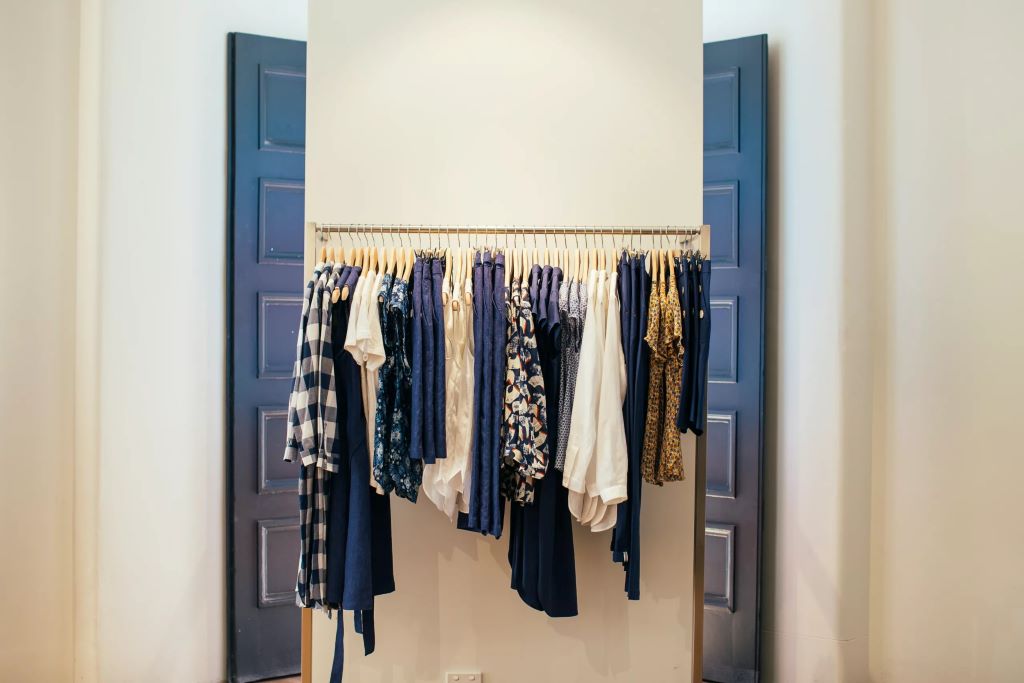
Store clothes properly to prevent wrinkles, odors, and pest damage. Use breathable garment bags for delicate items and cedar blocks for natural moth protection. Additionally, ensure adequate ventilation in closets and storage areas.
Fold heavy knits to prevent stretching and hang structured items like blazers. Avoid wire hangers that can distort shoulders and leave marks. Therefore, investing in quality hangers protects your clothes’ shape and appearance.
Repair and Upcycling Techniques
Learning basic repair skills keeps clothes in use longer and reduces waste. Simple techniques like sewing buttons and mending small tears save money and extend garment life. However, more complex alterations may require professional help.
Essential Mending Skills
Start with basic skills like sewing on buttons, hemming pants, and darning socks. These simple repairs prevent minor issues from becoming major problems. Additionally, visible mending techniques can add decorative elements to damaged clothes.
YouTube tutorials and local workshops teach various mending techniques for different fabric types. Practice on old clothes before attempting repairs on favorite pieces. Furthermore, keeping a basic sewing kit makes quick repairs possible.
Creative Upcycling Projects
Transform outdated or damaged clothes into new pieces through creative upcycling. Turn old jeans into bags, convert shirts into crop tops, or add patches for personal style. However, ensure upcycling genuinely improves the item’s usefulness.
Pinterest and crafting websites offer countless upcycling inspiration and tutorials. Start with simple projects before attempting complex alterations. Additionally, upcycling allows personal expression while extending clothing life.
Sharing and Swapping Options
Clothing swaps and sharing platforms extend garment lifecycles beyond individual ownership. These options provide access to variety without purchasing new items. Furthermore, sharing clothes builds community connections around sustainable practices.
Organizing Clothing Swaps
Host clothing swap parties with friends, neighbors, or community groups. Participants bring unwanted clothes in good condition and select new-to-them pieces. Additionally, any remaining items can be donated to local charities.
Set guidelines for swap events including item quality standards and sizing ranges. Provide mirrors and changing areas for trying on clothes. Therefore, well-organized swaps create positive experiences that encourage participation.
Digital Sharing Platforms
Apps like Vinted, ThredUp, and Poshmark facilitate clothes selling and buying. These platforms extend clothing lifecycles while providing income for sellers. However, consider shipping environmental impacts when using online platforms.
Rental services offer access to special occasion wear and designer pieces. This option works well for items worn infrequently like formal dresses or statement pieces. Additionally, rental reduces the need for storage space.
Technology and Apps for Circular Fashion
Modern technology supports circular fashion through various apps and platforms. These tools help track clothing use, find sustainable brands, and connect with other conscious consumers. Furthermore, technology makes sustainable choices more convenient and accessible.
Wardrobe Management Apps
Apps like Stylebook and Cladwell help organize and track clothing use. These tools identify underutilized pieces and suggest new outfit combinations. Additionally, usage tracking reveals actual cost per wear for different items.
Photo-based wardrobe apps create digital closets accessible anywhere. This prevents duplicate purchases and encourages using existing clothes creatively. Therefore, digital organization supports more conscious consumption decisions.
Sustainability Tracking Tools
Some apps calculate the environmental impact of clothing choices and suggest more sustainable alternatives. These tools educate users about fashion’s environmental costs. However, ensure apps use credible data sources for accurate calculations.
Carbon footprint calculators help understand the environmental impact of different clothing choices. This information guides future purchases toward lower-impact options. Additionally, tracking progress motivates continued sustainable practices.
Measuring Your Circular Fashion Impact
Tracking progress helps maintain motivation and identify areas for improvement. Simple metrics like purchases per year or cost per wear provide useful insights. Furthermore, measuring impact demonstrates the benefits of circular fashion practices.
Key Metrics to Track
Monitor the number of new clothing purchases per year and compare to previous years. Calculate cost per wear for expensive items to justify quality investments. Additionally, track how often clothes are worn before disposal or donation.
Keep records of repairs, alterations, and upcycling projects completed. This documentation shows money saved and environmental impact reduced. Therefore, visible progress encourages continued commitment to circular practices.
Celebrating Success
Acknowledge achievements in building a more sustainable wardrobe. Share successes with friends and family to inspire others. Additionally, celebrating progress maintains motivation during challenging moments.
Document favorite outfits and successful outfit combinations for future reference. This positive reinforcement encourages creativity within existing wardrobes. Furthermore, success stories provide inspiration for continued circular fashion journey.
Conclusion
Circular fashion wardrobe solutions offer practical approaches to reducing environmental impact while maintaining personal style. Understanding circular principles guides better purchasing decisions and clothing care practices. Additionally, repair skills and sharing options extend garment lifecycles significantly. Technology tools support organization and tracking for continuous improvement. Furthermore, measuring progress demonstrates the positive impact of sustainable choices. Building a circular wardrobe requires patience and commitment but provides environmental and financial benefits. Therefore, implementing these strategies creates positive change for both individuals and the planet.
Frequently Asked Questions
Q: How much money can I save by adopting circular fashion practices? A: Savings vary depending on previous shopping habits, but many people reduce clothing spending by 50-70% while improving wardrobe quality. Additionally, proper care and repairs extend clothing life, reducing replacement costs significantly.
Q: Is it worth buying expensive sustainable clothing brands? A: High-quality sustainable pieces often provide better value through longer lifespans and superior construction. Calculate cost per wear over the expected garment life to compare true value versus cheaper alternatives.
Q: How do I find clothing swaps and sustainable fashion events in my area? A: Search social media, community boards, and environmental groups for local events. Many cities have regular swap meets or sustainable fashion groups. Additionally, consider organizing your own swap with friends and neighbors.
Q: What should I do with clothes that are too damaged to repair? A: Research textile recycling programs in your area that can process damaged fabrics into new materials. Some brands offer take-back programs for their products. However, prevention through proper care remains the best approach.
Q: Can circular fashion work for professional wardrobes that require specific dress codes? A: Yes, focus on building a capsule wardrobe of high-quality basics that mix and match easily. Professional clothes often justify higher initial investment due to frequent wear. Additionally, proper care maintains professional appearance longer.
Read More:
How Often Do Social Gaming Communities Impact Your Next Game Pick?



Leave a Reply