
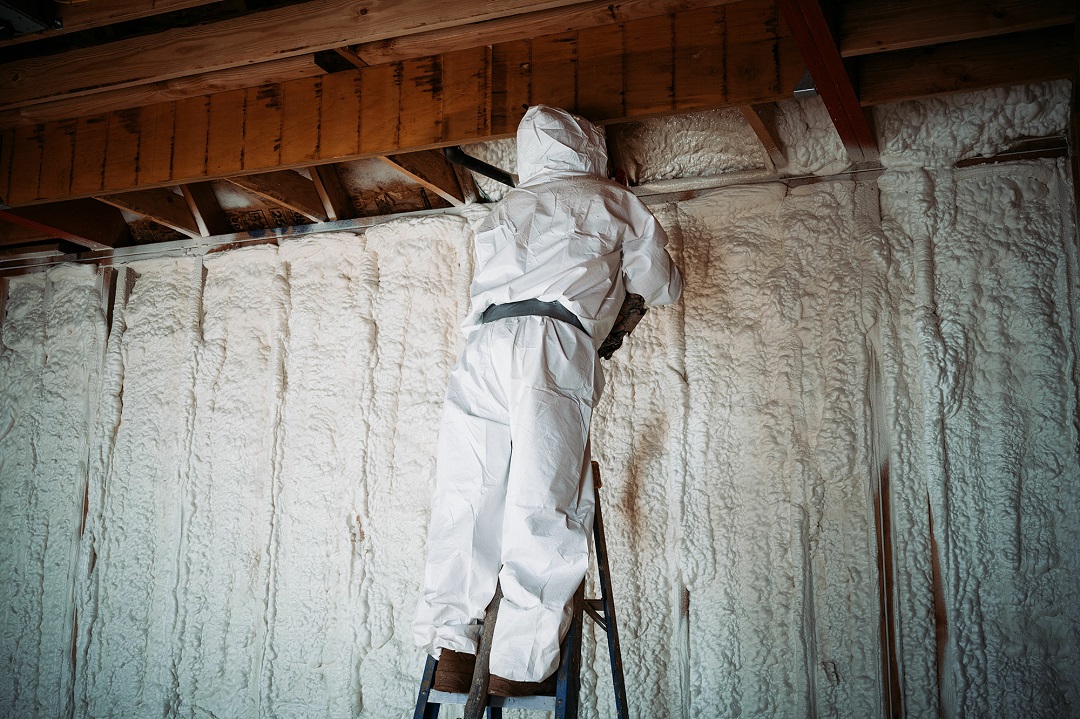
So, you’re considering using spray foam insulation, but you’re wondering if there are any areas where it’s not suitable. Let’s explore some scenarios where using spray foam may not be the best option.
Firstly, spray foam insulation should generally be avoided in areas with high moisture levels, such as damp basements or areas prone to water leaks. While closed-cell spray foam has some moisture-resistant properties, excessive moisture can still compromise its effectiveness and lead to mold or mildew growth. In such cases, alternative insulation materials that are more moisture-resistant, like rigid foam board or mineral wool, may be preferable.
Similarly, spray foam insulation may not be suitable for areas where it could be exposed to direct sunlight or extreme temperatures, such as on the exterior of buildings or in unconditioned spaces like attics. Exposure to UV radiation can cause degradation and discoloration of the foam over time, reducing its insulating properties and overall durability. In these situations, other insulation materials designed for outdoor or high-temperature applications may be more appropriate.
Furthermore, spray foam insulation should be used with caution around electrical wiring or fixtures. Improper installation or accidental contact with wiring can pose a fire hazard. It’s essential to follow safety guidelines and consult with a qualified professional when insulating areas near electrical components.
Additionally, spray foam insulation may not be the best choice for areas that require frequent access or maintenance, such as utility closets or access panels. Once spray foam has cured and hardened, it can be challenging to remove or modify without causing damage to surrounding structures. In these situations, using removable insulation materials like fiberglass batts or rigid foam board may be more practical.
Lastly, some individuals may have sensitivities or allergies to the chemicals used in spray foam insulation, particularly during the installation process when off-gassing can occur. It’s essential to consider the potential health implications and consult with a qualified professional before using spray foam in enclosed or occupied spaces.
In summary, while spray foam insulation offers many benefits, there are certain situations where it may not be the most suitable option. It’s essential to assess the specific requirements of your project and consider factors such as moisture levels, temperature extremes, accessibility, and potential health concerns before deciding on the best insulation solution.

FAQs (Frequently Asked Questions)
1. Can spray foam insulation be removed if needed?
While spray foam insulation is not easily removable once it has cured and hardened. It is possible to remove it using mechanical methods such as scraping or grinding. However, this process can be labor-intensive and may damage surrounding surfaces. It’s best to consult with a professional insulation contractor for advice on removal procedures.
2. Is spray foam insulation flammable?
Spray foam insulation can be flammable if exposed to direct flame or high heat sources. However, most spray foam products are treated with flame retardants to reduce their flammability. It’s essential to follow proper installation guidelines and ensure that any exposed foam is adequately protected from potential ignition sources.
3. Can spray foam insulation be painted?
Yes, spray foam insulation can be painted using acrylic or latex-based paints. However, it’s essential to use paint specifically formulated for use with foam insulation. And follow the manufacturer’s recommendations for surface preparation and application. Painting spray foam can help improve its appearance and durability while providing additional protection against UV radiation.
4. Is spray foam insulation environmentally friendly?
The environmental impact of spray foam insulation depends on factors such as the formulation of the foam. The blowing agents used, and the disposal methods. While some spray foam products contain chemicals with potential environmental concerns. Others are formulated to be more eco-friendly, with low VOCs and reduced environmental impact. It’s essential to choose products that prioritize environmental sustainability and consult with insulation professionals for guidance.
5. Can spray foam insulation be used in conjunction with other insulation materials?
Yes, spray foam insulation can be used in combination with other insulation materials to achieve optimal energy efficiency and performance. For example, spray foam can be applied to fill gaps and seal air leaks, while traditional insulation materials like fiberglass or cellulose can be used to provide additional thermal resistance. Combining different insulation types can help address specific insulation needs and maximize energy savings.
Tags: can you use spray foam on ductwork, can you use spray foam under a bathtub, how to use spray foam, how to use spray foam insulation, where not to use spray foam insulation, why use spray foam insulation

Leave a Reply