
The Rise of TikTok Micro Influencers in Modern Marketing

Vet-Recommended Dog Shampoos for Chronic Skin Problems
January 14, 2026What’s the Difference Between PR and Journalism?
January 20, 2026
TikTok micro influencers are creators with roughly 10,000 to 100,000 followers who focus on a clear niche and maintain high audience trust. Unlike celebrity creators, they feel relatable. Their content looks native. Their recommendations feel real.
Brands are paying attention because user behavior has changed. People scroll fast. Ads are ignored. Trust is low. But creators who look and sound like regular users still hold attention.
This is where micro influencers on TikTok win. They deliver consistent engagement, authentic storytelling, and lower campaign risk. According to multiple industry case studies published by influencer platforms, micro influencers often generate 2–3x higher engagement rates than larger creators in the same niche.
In modern marketing, attention is currency. TikTok rewards watch time, comments, and shares. Micro influencers drive all three.
This article breaks down why TikTok micro influencers are rising, how brands are using them, what real data shows, and how businesses can apply this strategy without wasting budget.
Why Is Traditional Influencer Marketing Becoming Less Effective?
For years, brands chased reach. Bigger follower counts meant higher prices and assumed impact. That logic no longer holds.
Here’s the problem:
- Audiences know when content is scripted
- High-profile creators promote too many brands
- Ad fatigue reduces trust and recall
A 2023 influencer marketing benchmark study showed that engagement rates drop as follower counts rise. Creators with over 1 million followers often see engagement below 1%. Micro creators consistently perform above 4–6%.
On TikTok, this gap is even wider. The algorithm favors content quality, not follower size. That means a creator with 15,000 followers can outperform a creator with 1 million if the video connects.
This shift opened the door for to become a core marketing channel instead of a side experiment.
How Does TikTok’s Algorithm Help Micro Influencers Grow Faster?
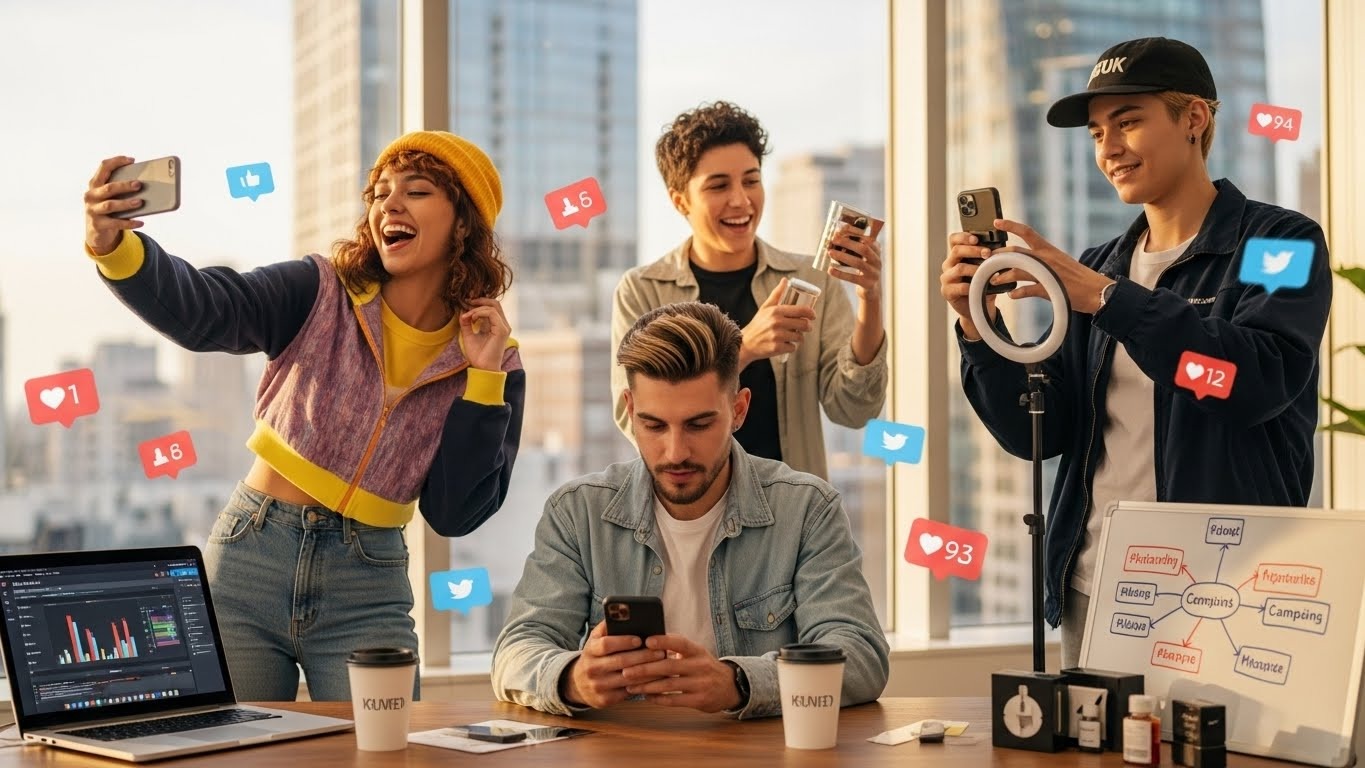
Unlike older platforms, TikTok does not rely heavily on follower graphs. Each video is tested with small audience segments. If people watch, comment, or share, distribution expands.
This creates three advantages for TikTok micro influencers:
- New creators can go viral without prior audience
- Niche content reaches the right viewers
- Consistency matters more than status
For brands, this means campaigns scale organically. A single creator video can reach hundreds of thousands of users even if the creator is small.
Case studies from DTC brands show that micro influencer videos often outperform brand-owned ads in watch time and completion rate. The reason is simple. They feel like content, not commercials.
What Makes TikTok Micro Influencers More Trustworthy?
Trust drives action. On TikTok, trust comes from familiarity and consistency.
Micro influencers usually:
- Reply to comments
- Share personal experiences
- Stick to one or two content themes
This builds what marketers call “parasocial trust.” Viewers feel they know the creator. When a product appears naturally in content, it does not feel forced.
In a skincare brand case study, micro creators generated higher click-through rates than macro influencers, even though total reach was lower. The conversion rate compensated for the difference.
For performance-focused brands, trust beats impressions.
How Are Brands Using Micro Influencers on TikTok Today?
Short answer: Brands use them for testing, scaling, and content creation.
Modern TikTok strategies rarely rely on one big influencer. Instead, brands activate multiple micro creators at once.
Common use cases include:
- Product launches
- User-generated content (UGC) ads
- Niche audience penetration
- Local or regional targeting
A common structure looks like this:
| Stage | Action |
|---|---|
| Test | Work with 10–20 micro influencers |
| Analyze | Track watch time, comments, saves |
| Scale | Boost top-performing videos as ads |
This approach reduces risk. Instead of paying one creator a large fee, brands spread budget across multiple voices.
What Do Real Case Studies Say About Performance?
Short answer: Micro influencer campaigns are cost-efficient and scalable.
Several public case studies from influencer platforms and agencies highlight similar patterns:
- Lower cost per acquisition (CPA)
- Higher engagement rates
- Reusable content for paid ads
In one ecommerce case study, a brand worked with 25 TikTok micro influencers instead of two large creators. Total spend was lower. Engagement doubled. Paid ads using influencer videos reduced CPA by over 30% compared to studio ads.
These are not isolated results. The model works because it aligns with TikTok’s native culture.
What Industries Benefit Most from TikTok Micro Influencers?
Short answer Any industry that relies on discovery and social proof.
Top-performing sectors include:
- Beauty and skincare
- Fitness and wellness
- Food and beverages
- Fashion and accessories
- Mobile apps and SaaS tools
However, B2B brands are also experimenting with micro creators. Educational content, tutorials, and behind-the-scenes videos perform well when delivered by niche experts.
The key is relevance, not size.
How Can Brands Find the Right TikTok Micro Influencers?
Short answer: Focus on audience fit and content style.
Follower count is not the first filter. Brands should look at:
- Average views per video
- Comment quality
- Posting consistency
- Content tone and format
Manual outreach still works. Many brands also use influencer platforms to filter creators by niche, location, and engagement.
The goal is alignment. A smaller creator with the right audience always beats a bigger creator with a broad one.
What Mistakes Should Brands Avoid?
Short answer:Treating micro influencers like ad space.
Common mistakes include:
- Over-scripted briefs
- Ignoring creator input
- Focusing only on follower count
- Not tracking performance
TikTok rewards authenticity. Brands should give creators flexibility. Clear goals matter. Control does not.
How Does This Fit Into a Long-Term Marketing Strategy?
Short answer: TikTok micro influencers support sustainable growth.
Instead of one-off campaigns, smart brands build creator networks.
This model compounds. Content improves. Data gets clearer. Costs stabilize.
Micro influencers on TikTok are not a trend. They are infrastructure.
Conclusion: Why TikTok Micro Influencers Are a Smart Marketing Move
TikTok changed how people discover products. It also changed who influences decisions.
Brands that adapt early gain an edge. Those who rely only on big names pay more for less impact.
Frequently Asked Questions About TikTok Micro Influencers
What is the ideal follower count for TikTok micro influencers?
Most TikTok micro influencers have between 10,000 and 100,000 followers. Engagement matters more than size.
Are micro influencers on TikTok better than macro influencers?
They often deliver higher engagement and trust. Macro influencers provide reach. Micro influencers drive action.
How much do TikTok micro influencers charge?
Rates vary, but many charge lower fees or accept product-based collaborations, making campaigns cost-efficient.
Can small businesses use TikTok micro influencers?
Yes. Small budgets benefit most because micro influencer campaigns scale without large upfront costs.
Do TikTok micro influencers work for paid ads?
Yes. Many brands repurpose creator videos as ads because they outperform traditional creatives.
How do you measure success with micro influencers on TikTok?
Track watch time, engagement, conversions, and content reuse value, not just views.
Related Topics: Vet-Recommended Dog Shampoos for Chronic Skin Problems
Related Topics: Commercial Roofing Expert Tips Every Owner Should Know


