
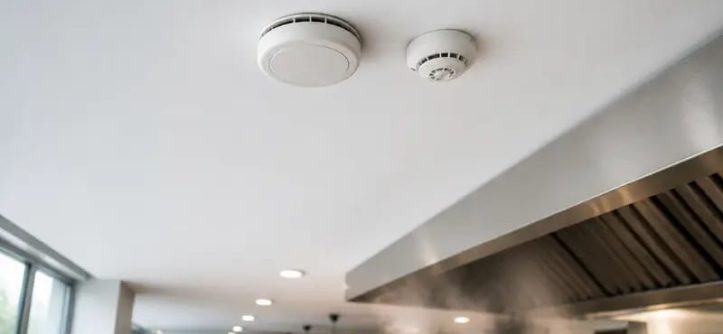
Fire detection products are used in new buildings as well as to replace existing fire alarm systems. The choice of a particular fire detection product for a particular room is one of the key decisions when designing a fire alarm system. This article compares and contrasts smoke and heat detectors, highlighting the sort of problems that arise when detectors of the wrong sort are placed in rooms of the wrong sort.
How Smoke Detectors Work
There are two principal types of smoke detector: optical (or photoelectric) detectors and ionisation detectors. The optical smoke detector contains a small chamber and uses a beam of light which is scattered by the smoke particles entering the chamber. The ionisation type of smoke detector contains a small amount of radioactive material and detects the small combustion particles given off by fast flaming fires. These types of detectors are used in fire alarms Northamptonshire to detect smouldering material and produce an alarm early in the development of a fire as the primary amount of smoke given off by such a fire is toxic and can fill a room within a short space of time. The smoke detectors should be marked with independently certified fire detection equipment marks and tested to recognised standards for fire detection equipment.
How Heat Detectors Work
Heat detectors respond to increasing temperature. Typically set at 58°C or there about, they can be slower to respond to an outbreak of fire, than smoke detectors, but they have the advantage of not responding to the numerous false alarms that are generated by steam, dust, cooking fumes and aerosol sprays. Approved installers can recommend the use of heat detection in situations where there is a high risk of nuisance alarms. If a fire detection system is to remain effective it must be seen to be reliable. Detectors that continually trigger false alarms will eventually be ignored by everyone, when they are needed most.
Kitchens And Canteens
It is well established practice within the fire protection industry that catering areas are best protected with heat detection. Steam, smoke and grease particles from cooking can quickly trigger an optical or ionisation smoke detector and this can occur within minutes of serving the first breakfast cooked on a new fire alarm protected premises. A single heat detector mounted outside of direct line of sight of any potential steam plume in a kitchen such as above a cooker or within a kitchen extract canopy, makes for an ideal solution for a pub kitchen, staff canteen or even small office kitchen with a toaster and microwave installed in the space.
Bathrooms, Showers And Steamy Plant Rooms
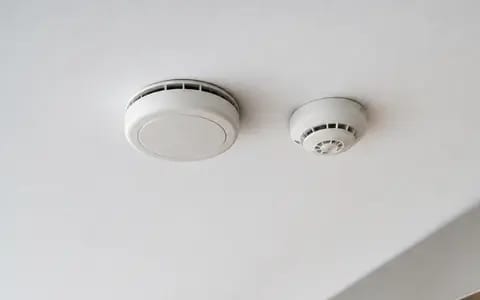
However, there are areas where steam is normally present rather than indicating a fire. These areas include shower blocks, laundry rooms and plant rooms containing boilers and air handling units. The same consideration must be applied to these types of rooms and detector(s) selected based upon building services engineering standards for siting of detectors within such spaces. In some cases no detection at all may be considered adequate where a room contains no fire load and is adequately ventilated. A gym changing room with showers is a classic example where false alarms from smoke detection could quickly become annoying with alarms sounding every time that someone has a long hot shower. See also ISE Fire.
Lofts, Boiler Rooms And Dusty Storage
Dust can cause just as many problems for smoke detectors as steam. The areas typically found within buildings where there is a risk of dust are; loft spaces, roof voids, plant rooms and areas that contain stored items. Areas that are frequently disturbed by items being added or moved can also cause problems. Heat detectors are ideal for these types of rooms as dust has very little affect on temperature. A converted barn loft used as storage or a plant room above a shop would typically be protected with heat detection within that space, and then smoke detection on floors below.
Bedrooms, Offices And Escape Routes
Bedrooms, offices, corridors, stairwell landings and even bathrooms can all be equipped with smoke detectors. The aim of installing fire detection equipment in these areas is to provide people with as much time as possible to evacuate the building in the event of a fire. Smoke produced by slow burning fires (smoky fires) can contain toxic gases that can be hazardous to health long before there is any rise in temperature that would activate a heat detector. Even a slowly smouldering sofa in a lounge or a neglected overloaded extension cable in a bedroom could produce enough toxic smoke to require evacuation before there is any danger or before there is any rise in temperature that would activate a heat detector.
Combined Multi-Sensor Detectors
Where a room has mixed use, it is possible to use a combined smoke and heat detector which monitors both smoke and heat and activates on detection of either. This can be particularly useful in function rooms that are used for buffet style catering and also for occasions where there is to be cooking in the reception area, such as near a kitchen hatch. As with other detectors, these cost more than a single sensor unit but offer the best solution in these types of rooms.
A Realistic Mix, Room By Room
In reality no building will contain only one type of detector. A converted mill may contain heat detecting boilers and dusty storage areas but smoke detecting corridors and newly converted office spaces. A combined multi sensor detector could be installed in the ground floor café. A village pub’s kitchen would contain heat detecting detectors, the bedrooms above would contain smoke detecting detectors and careful consideration would need to be given to the bar area and how best to position the necessary detectors to activate should there be a fire.
The choice of which detectors to use in any given room is not a case of applying a single rule to every situation, it is a case of trying to accurately assess what each given room is used for and choosing detectors on that basis.




Leave a Reply