
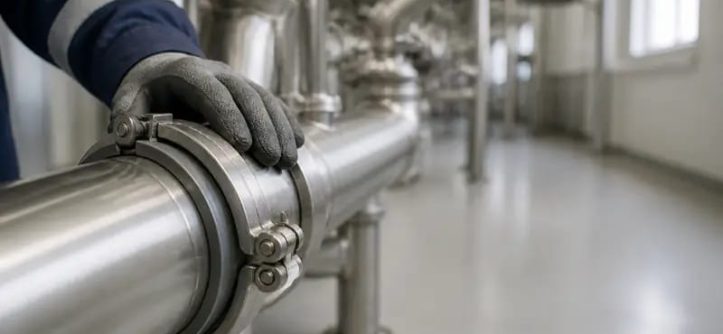
A vacuum conveying system uses air in the pipework to collect and convey material. All systems have leak points and when a leak occurs it can cause problems.
Why A Leak Causes Problems
Air leaks within a system can reduce the vacuum at the pick-up point and cause the material to travel more slowly. This will increase the cycle time for the system and force it to work harder to attempt to pull the material. Unfortunately this will result in more dust and debris entering the filter, reducing its useful life.
Where Leaks Usually Start
First look at the pipe joint clamps with their gaskets. Then check the rotary valve shaft seals, filter housing doors, inspection hatches and the flexible hose connections. All of these parts can develop a gap which is not visible but causes a drop in vacuum pressure.
Finding The Leak
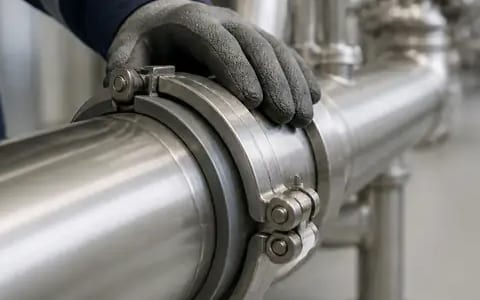
Check for air leaks using a soapy water test, by using an ultrasonic leak detector and by using a smoke pencil to detect air being drawn into a joint rather than being released. By isolating a section of the system a vacuum gauge drop test can quickly highlight a leak within that section of pipe work. More information on detecting air leaks in compressed air and vacuum systems can be found here.
Fixing What You Find
Most leaks can be solved with a few simple actions. Gaskets should be re-seated or even replaced if they become worn. Pipe joint clamps must be tightened to the correct torque setting rather than simply being made as tight as possible. Hardened or cracked seals can be replaced. And filter socks should be seated properly within their housings rather than at an angle. A useful reference for Vacuum conveying is Aptech.
A Simple Habit Worth Keeping
Build a simple visual and auditory check into your routine maintenance inspections and find out quickly if any air leaks have developed before any reduction in output occurs.
Checking your seals and joints on a regular basis can take just a few minutes to ensure your suction is at the required level and your material is moving as it should.


Leave a Reply