How the Weber Original Kettle 22-Inch Compares to Other Charcoal Grills
What’s the Difference Between PR and Journalism?
January 20, 2026
How to Soothe Your Baby: Top Infant Soothing Solutions + Ingenuity Swing ‘n Go Deluxe
January 25, 2026
Nothing beats the sizzle of charcoal grilling on a summer evening. The Weber Original Kettle 22-Inch has dominated backyards since its invention in 1952. George Stephen created this iconic design from a metal buoy, transforming outdoor cooking forever.
Today, millions of grillers rely on charcoal for that authentic smoky taste. According to the Hearth, Patio & Barbecue Association (HPBA), over 53% of U.S. households own a charcoal grill. Additionally, Statista reports that about one in five Americans grilled regularly in recent surveys.
If you wonder how this timeless classic stacks up against modern competitors, try Weber Original Kettle vs Other Grills for a closer look at its enduring appeal. This guide breaks down the comparisons with practical insights.
The Legacy of the Weber Original Kettle
The Weber Original Kettle changed everything in 1952. Before it, people struggled with open pits or flimsy grills. George Stephen cut a buoy in half, added vents, and created the dome shape we know today.
This design controls airflow better than flat grills. It enables direct searing or indirect roasting. Moreover, the porcelain-enameled steel resists rust and retains heat well.
Weber refined the kettle over decades. They added the One-Touch cleaning system for easy ash removal. Consequently, it became the standard for charcoal grilling. Reviews from Serious Eats and Wirecutter still call it a top performer in 2026 tests.
Key Features That Define the Weber Original Kettle 22-Inch
The 22-inch model offers 363 square inches of cooking space. That fits burgers for a crowd or a whole turkey with room to spare.
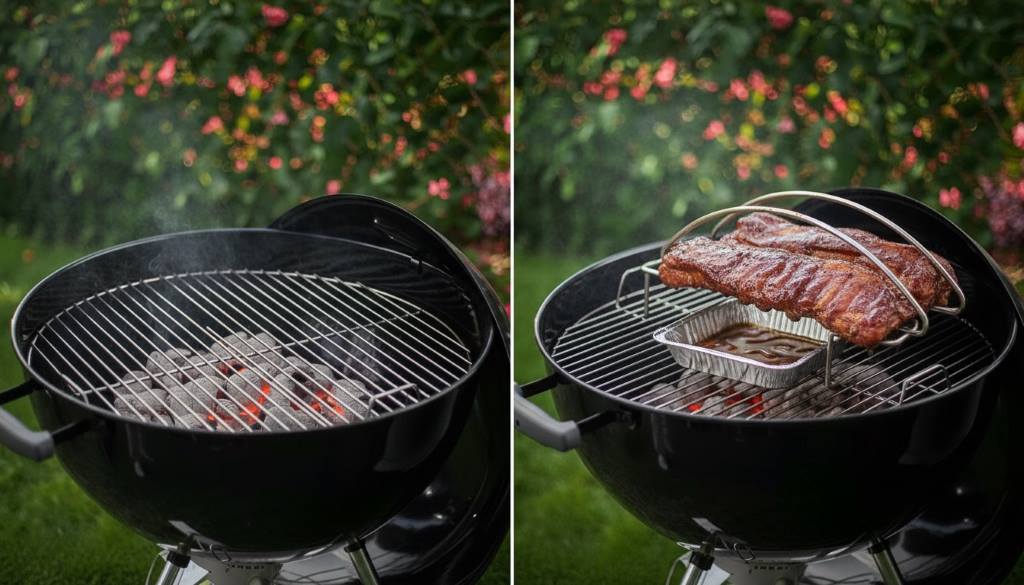
Vents on the lid and bottom give precise temperature control. Open them wide for high-heat searing. Close them partially for low-and-slow smoking.
The plated steel grate holds heat evenly. Legs provide stability, and the ash catcher simplifies cleanup. Furthermore, the lid handle stays cool with a heat shield.
These simple elements work together seamlessly. They deliver consistent results without complex gadgets.
Build Quality and Longevity Compared
Durability sets the Weber apart from cheaper options. The porcelain enamel withstands years of weather and high heat. Many owners report kettles lasting 20 years or more with basic care.
Budget brands like some Char-Griller models use thinner steel. They rust faster and warp under intense use. In contrast, Weber’s construction handles daily grilling without issues.
Premium rivals like PK Grills use cast aluminum. It never rusts and seals tightly. However, Weber’s steel proves tough enough for most users. AmazingRibs.com testers praise its reliable performance across generations.
Cooking Performance: Heat Distribution and Flavor
The kettle shape shines in even heat distribution. Coals bank to one side for two-zone cooking. Sear steaks directly over flames, then move them to finish indirectly.
Tests show it reaches 600°F easily for perfect crusts. It holds 225°F steadily for ribs or brisket. Moreover, the dome traps smoke, infusing deep flavor.
Compared to barrel grills, the kettle recovers heat faster after lid lifts. Kamado grills excel at low temps with less fuel. Yet the Weber delivers classic charcoal taste that many prefer.
Ease of Use and Cleaning
Light the coals, adjust vents, and start cooking. The One-Touch system sweeps ash into a catcher with one sweep. No more messy dumping.
Hinged grates on premium models help add coals mid-cook. The basic Original requires lid removal, but it works fine.
Napoleon kettles add thermometers and ash pans. However, Weber’s simplicity appeals to purists. Cleanup takes minutes, leaving more time for eating.
Versatility for Every Cooking Style
Grill, smoke, roast, or bake on this kettle. Accessories expand options further.
- Use a vortex for crispy chicken wings.
- Add a rotisserie for whole chickens.
- Set up Slow ‘n Sear for overnight smokes.
It handles pizzas with a stone or stir-fries in a wok insert. Few charcoal grills match this range.
Kamados offer similar versatility with better insulation. Barrel grills suit large cuts but lack indirect precision. The Weber balances everything for everyday use.
How It Compares to Budget Charcoal Grills
Budget options attract first-time buyers. Brands like Royal Gourmet or basic Char-Griller models cost less but cut corners.
They often use thin metal that warps quickly. Vents feel flimsy and lack precision. Heat spots appear, leading to uneven cooks.
The Weber provides superior control and longevity. It turns novices into confident grillers. Many upgrade to Weber after struggling with cheaper builds.
Premium Kettle-Style Competitors
PK Grills stand out with aluminum construction. They seal better and use less charcoal. The rectangular shape allows easy zoning.
Napoleon adds built-in thermometers and hinged grates. Some testers find them close in performance.
However, Weber wins on even heat and simplicity. Its round design circulates air naturally. In head-to-head tests from The Barbecue Lab, Weber often edges out in flavor retention.
Weber Kettle vs. Kamado Grills
Kamados like Big Green Egg or Kamado Joe use ceramic insulation. They hold temps for hours with minimal fuel. Perfect for long smokes without refills.
They reach higher searing temps too. Accessories make them multi-functional ovens.
Yet kettles light faster and cost less to maintain. They produce bolder smoke flavor in shorter cooks. Many grillers own both for different needs.
The Weber suits quick weeknight meals. Kamados excel at set-it-and-forget-it sessions.
Barrel and Offset Grills in Comparison
Barrel grills offer large surfaces for parties. They smoke big briskets easily.
However, they leak heat more than kettles. Temperature swings challenge beginners.
Offsets provide true smoking with firebox separation. They demand constant attention though.
The Weber combines portability and control. It fits smaller spaces while delivering barbecue results.
Pros and Cons Summarized
Pros include:
- Timeless design with proven performance
- Excellent heat control and even cooking
- Durable build that lasts decades
- Versatile for multiple techniques
- Easy cleaning and maintenance
Cons involve:
- Basic model lacks extras like hinged grates
- Uses more fuel than insulated kamados
- Requires practice for perfect low-and-slow
Overall, pros outweigh cons for most users.
Why the Weber Original Kettle Still Leads
Reviewers consistently rank it top in 2026. Serious Eats calls it reliable and trusted. Wirecutter praises its solid construction.
It teaches grilling fundamentals. Master a kettle, and you master charcoal.
Communities share tips and mods endlessly. This support keeps it relevant.
Maintenance Tips for Peak Performance
Clean the grate after each use. Brush hot grates, then wipe.
Empty ash regularly to prevent airflow blocks. Store covered in dry spots.
Touch up enamel chips quickly to avoid rust. These habits extend life greatly.
Accessories to Enhance Your Kettle
Consider these additions:
- Charcoal baskets for better zoning
- Thermometers for precise reads
- Covers for weather protection
- Smokers for extended capacity
They transform the basic kettle into a powerhouse.
Real User Stories and Experiences
Grillers share tales of family traditions on Webers. One user smoked Thanksgiving turkey perfectly after years of oven fails.
Another switched from gas and never looked back. The flavor hooked them instantly.
These stories highlight its approachable excellence.
Environmental Considerations
Charcoal grilling uses renewable lump charcoal. It produces less waste than frequent propane refills.
Weber’s durability reduces replacement needs. Choose sustainable fuels for lower impact.
Final Thoughts
The Weber Original Kettle 22-Inch earns its classic status. It outperforms many rivals in everyday use. Moreover, it delivers unmatched flavor and control.
Whether you choose it over budget options, premium kettles, or kamados depends on needs. For authentic charcoal grilling, it remains hard to beat.
Ready to fire up your own? Explore the Weber Original Kettle and start your barbecue journey today.
FAQs
What makes the Weber Original Kettle different from other kettle grills?
The dome shape, porcelain enamel, and vent system provide superior airflow and heat retention. These features create consistent results that clones often miss.
Can the Weber Original Kettle smoke as well as a kamado?
It smokes excellently for most cooks. Kamados edge out on very long sessions with less fuel. Add accessories for kettle smoking success.
Is the 22-inch size right for families?
Yes. It serves 8-10 people comfortably. Larger models exist, but 22-inch balances space and capacity perfectly.
How does it handle high-heat searing compared to competitors?
It excels at searing. The design concentrates heat effectively. Many premium options match it, but few surpass.
Does the basic Original model lack important features?
It includes essentials for great grilling. Upgrades add convenience like hinged grates. Most users find the core version sufficient.
References
- Weber Official Site: https://www.weber.com/US/en/charcoal/original-kettle
- AmazingRibs.com Reviews: https://amazingribs.com/ratings-reviews/grills/weber-original-kettle-premium-22-charcoal-grill
- Serious Eats Best Charcoal Grills: https://www.seriouseats.com/best-charcoal-grills-5190740
- Wirecutter Charcoal Grill Guide: https://www.nytimes.com/wirecutter/reviews/best-charcoal-grill